Looking for used Haas CNC machines? Discover why Haas dominates the secondary market, what makes VF series and Haas lathes so valuable, and how smart buyers evaluate used CNC equipment before investing.
Why Used Haas CNC Machines Dominate the Secondary Market (And What That Means for Your Shop)
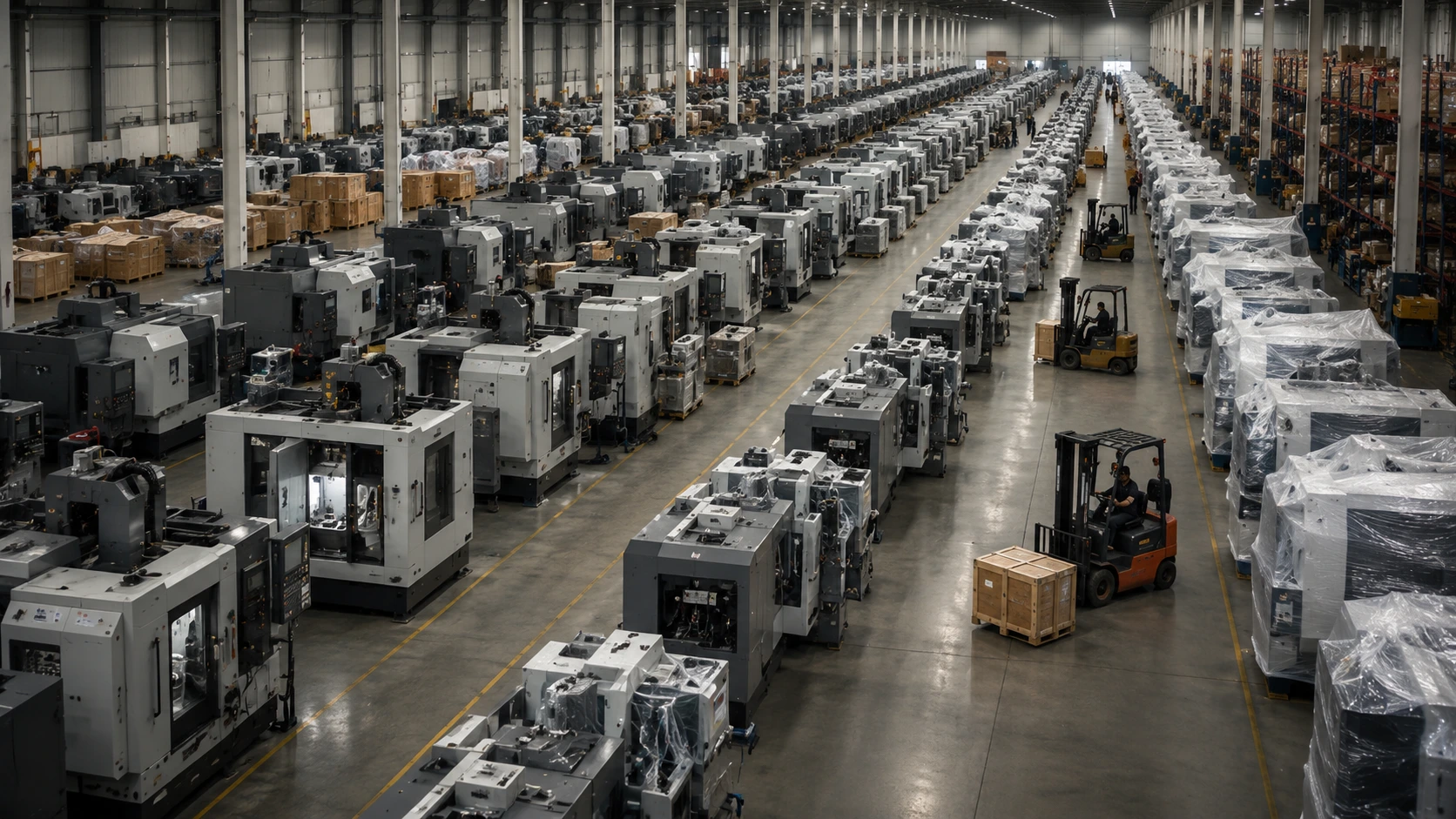
If you’re shopping for used Haas CNC machines, you’ve probably noticed something: they’re everywhere. Walk into any used machinery dealer, scroll through online listings, or talk to brokers — Haas equipment floods the secondary market. That’s not a coincidence, and it’s not a bad sign. It’s actually one of the smartest reasons to consider buying used Haas equipment for your shop.
Haas Built an Empire on Volume and Accessibility
Haas Automation didn’t become North America’s largest machine tool builder by accident. They’ve shipped over 200,000 machines since 1983, focusing on affordable, reliable equipment that small and mid-sized shops can actually buy. That volume created something valuable for the used market: availability.
When you need a Haas VF series for sale, you’ll find dozens of options across multiple model years, configurations, and price points. Compare that to searching for a used Mazak or Okuma in a specific spec — you might wait months for the right machine to hit the market. With Haas, you’re choosing between machines, not waiting and hoping.
This availability also means better pricing transparency. You can compare a 2015 VF-2 against a 2018 model and make informed decisions based on real market data, not whatever one seller decides to ask.
The VF Series Dominates for Good Reason
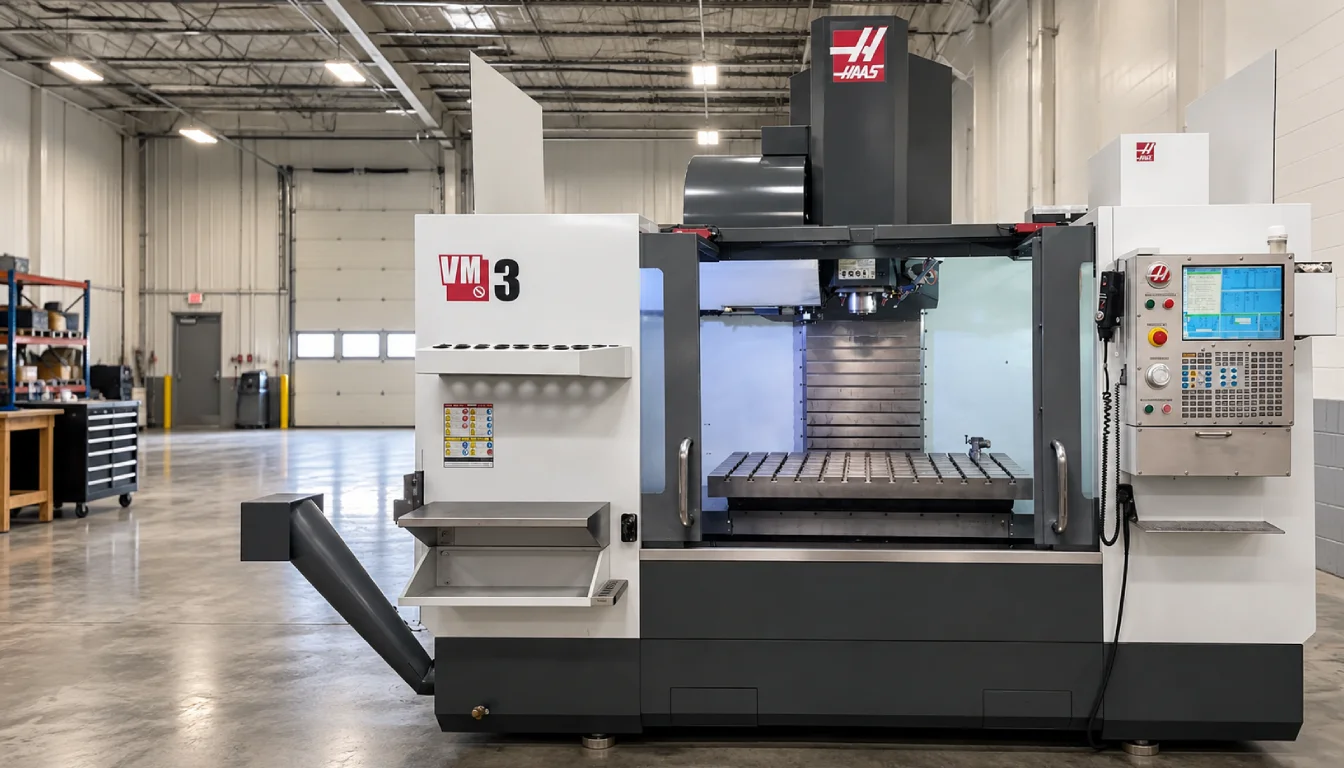
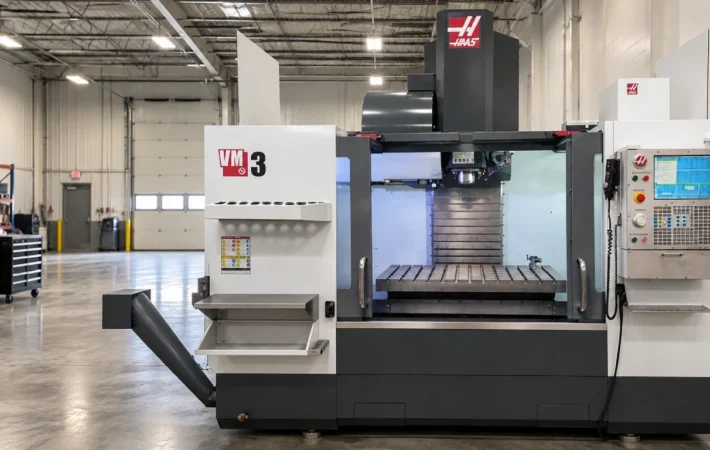
The Haas vertical machining center lineup — particularly the VF-2, VF-3, and VF-4 models — represents the backbone of American manufacturing. These aren’t exotic machines. They’re workhorses that handle everything from prototype work to production runs.
You’ll find used VF-2s with 10,000 spindle hours still cutting parts accurately. The 30-taper spindle, 7,500 RPM standard speed, and proven Haas control make them predictable and serviceable. Parts availability is exceptional because Haas supports older machines and third-party suppliers stock common wear items.
The secondary market pricing reflects this reliability. A well-maintained 2012-2015 VF-2 typically runs $25,000-$35,000, depending on hours and tooling. That’s real money, but it’s also a machine that’ll run production work the day it arrives.
Haas Lathes Offer Similar Market Advantages
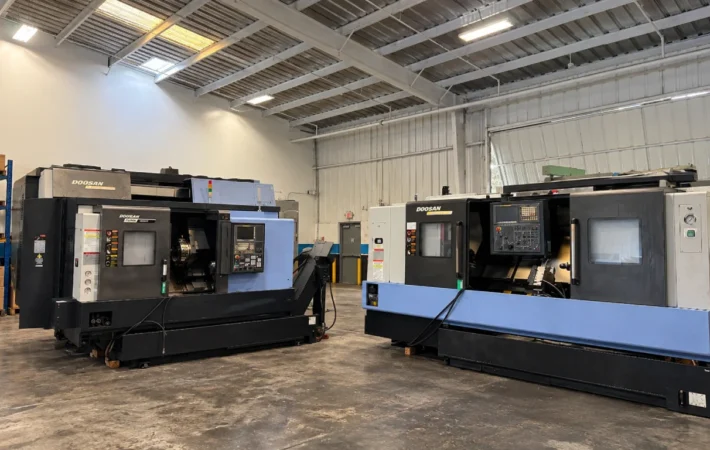
If you’re hunting for a used Haas lathe, the same market dynamics apply. The ST-10, ST-20, and ST-30 models show up regularly in used inventory because Haas sold thousands of them. You’re not gambling on an unknown platform — you’re buying proven technology with abundant support.
Haas lathes share control architecture with their mills, which matters if you’re running both. Your operators don’t need to learn completely different interfaces, and your maintenance team stocks common components. That operational efficiency doesn’t show up on a spec sheet, but it saves you real money over time.
One consideration: Haas lathes from the early 2000s may need more attention than newer models. Haas improved their lathe designs significantly after 2008, so if you’re choosing between a 2006 and a 2012 model at similar hours, the newer machine often represents better value.
What Experienced Buyers Check on Used Haas Machines
The abundance of used Haas CNC machines means you need to separate well-maintained equipment from beat-up production machines someone’s dumping. Here’s what matters:
Spindle hours and usage history. A VF-2 with 15,000 hours running aluminum prototype work is different from one with 8,000 hours cutting hardened steel in production. Ask about the work the machine performed, not just the hour meter.
Control version and upgrades. Earlier Haas controls work fine, but newer NGC controls (2008+) offer better features and longer support windows. Some machines received control upgrades — that’s valuable.
Maintenance records. Haas machines respond well to regular maintenance and suffer when neglected. Documented service history tells you whether someone cared about the equipment or just ran it until something broke.
Inspection reports. Legitimate sellers provide ballbar tests, spindle runout checks, and axis accuracy data. If someone won’t provide inspection results on a $30,000 machine, walk away.
Tooling and accessories. A machine with a full tool complement, fourth axis, probe, and chip conveyor might cost more upfront but saves you $3,000-$8,000 in immediate add-ons.
Common Mistakes When Buying Used Haas Equipment
Don’t assume all Haas machines are identical. A base-model VF-2 from 2010 lacks features that became standard by 2016. Check the actual specs, not just the model designation.
Don’t overlook older machines in good condition because you want the newest control. A well-maintained 2008 machine with documentation often outperforms a neglected 2015 model with unknown history.
Don’t skip the inspection because “it’s just a Haas.” Yes, parts are available and service is accessible, but buying a machine with hidden problems costs you production time and repair money you didn’t budget.
Summary
Used Haas CNC machines dominate the secondary market because Haas built and sold more machines than anyone else in North America
High availability means better selection, pricing transparency, and shorter search times when you need specific configurations
The Haas VF series and Haas lathe models offer proven reliability, abundant parts support, and straightforward servicing
Focus on usage history, maintenance records, and inspection data — not just price and model year
MachineStation maintains deep inventory across Haas vertical machining centers, lathes, and horizontal mills, with inspection documentation and transparent condition reporting on every machine we sell.