Home / Blogs / How to Sell Your Used CNC Machine for Maximum Value in 2025

How to Sell Your Used CNC Machine for Maximum Value in 2025

You’ve got a used CNC machine sitting on your shop floor that’s no longer part of your production plan. Maybe you upgraded to a newer model, shifted your product line, or you’re consolidating facilities. Whatever the reason, you want to sell your used CNC machine without leaving money on the table or wasting months chasing tire-kickers.

The difference between a quick lowball offer and top dollar often comes down to preparation, presentation, and knowing where serious buyers actually look.
Document Everything Before You List

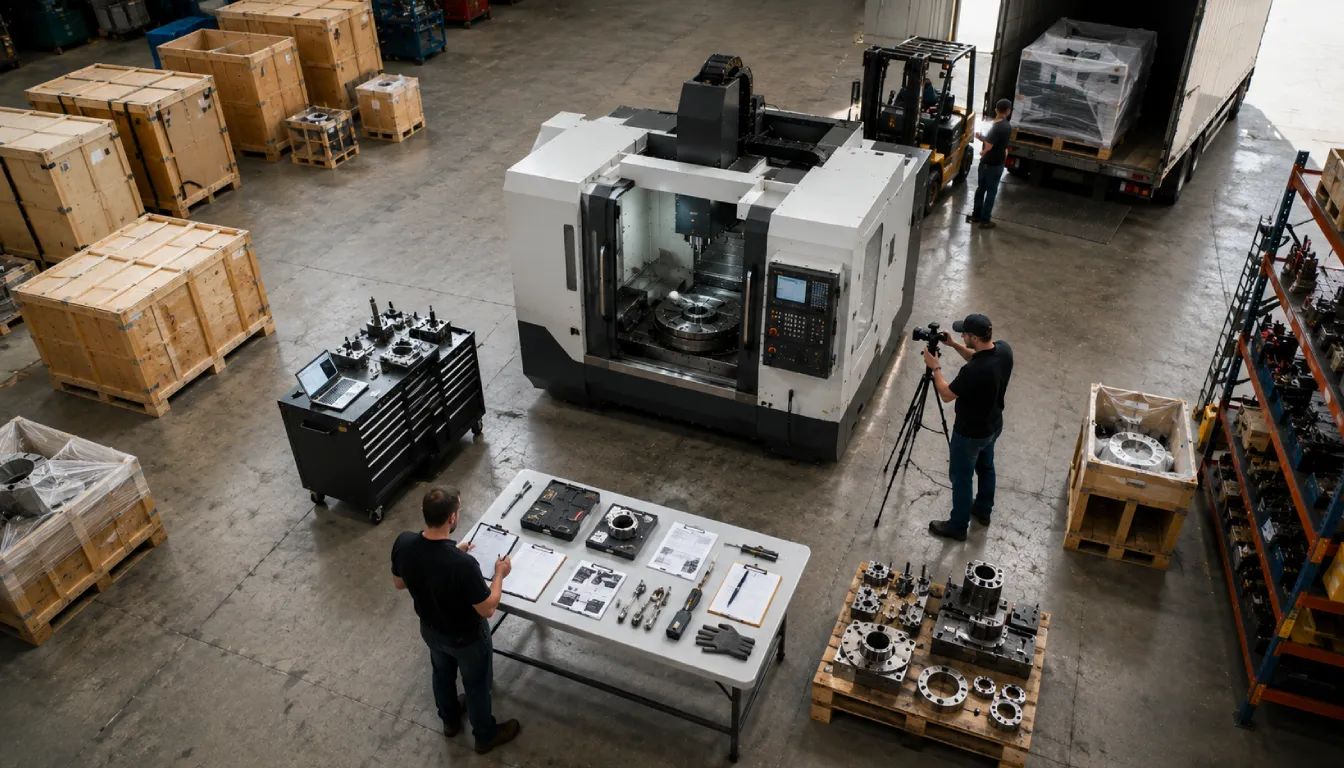
Start with the machine’s full specs: make, model, year, serial number, control type, spindle hours, tooling capacity, and axis configuration. Buyers want this information upfront, and missing details make them assume the worst.

Pull together any maintenance records you have. Service logs, spindle rebuilds, ballscrew replacements, and control upgrades all add value. If you’ve kept the machine in good shape and can prove it, you’ll command a better price than someone selling the same model with no documentation.

Take high-quality photos from multiple angles. Show the control screen powered on, the tool changer, the work envelope, the chip conveyor, and any tooling or accessories included. Blurry phone photos from across the shop floor don’t inspire confidence. Clear, well-lit images do.

Price It Right Based on Real Market Data

Overpricing kills deals before they start. Underpricing leaves cash on the table. When you sell a used CNC machine, you’re competing with other sellers, equipment auctions, and dealers who move inventory daily.

Research what similar machines have actually sold for — not asking prices, but closed deals. Check recent auction results, talk to machinery dealers, and look at comparable listings. Factor in your machine’s condition, hours, tooling, and any recent work you’ve done.

Here’s what affects value most:

  • Control type and age — newer controls hold value better
  • Spindle hours and condition — low hours or recent rebuild adds premium
  • Included tooling — quality holders, cutting tools, and fixtures sweeten the deal
  • Machine condition — clean, maintained equipment sells faster and higher
  • Market demand — popular brands and configurations move quicker

If you’re not sure where to price it, start slightly high and be ready to negotiate. Serious buyers expect some back-and-forth.

Choose the Right Sales Channel

Where you list your machine matters as much as how you present it. You’ve got several options, each with tradeoffs.

Selling directly to another manufacturer cuts out the middleman but requires you to handle inquiries, arrange inspections, coordinate rigging, and manage payment. You’ll likely get the highest net price, but it takes more time and effort.

Working with a machinery dealer or broker means they handle the heavy lifting — marketing, vetting buyers, negotiating, and logistics. You’ll net less after their commission, but the process moves faster and you avoid the headaches. When you sell a used CNC machine through an experienced dealer, they know how to position it and where the buyers are.

Online marketplaces cast a wide net but attract all kinds of inquiries, including plenty that won’t close. Auctions move equipment quickly but often at below-market prices, especially if timing or attendance is weak.

Avoid These Common Mistakes

Don’t wait until the last minute to sell. Rushed sales rarely get top dollar. If you know a machine is coming out of production, list it early while you can still demonstrate it running.

Never misrepresent condition or specs. Buyers will inspect before they buy, and any surprises kill trust fast. If there’s an issue — worn ways, backlash, a quirky control — disclose it upfront and price accordingly.

Don’t ignore serious buyers who ask detailed questions. When someone wants spindle hours, ballscrew specs, or recent maintenance history, they’re likely qualified and ready to move. Answer thoroughly and quickly.

Be realistic about logistics. A 20,000-pound vertical machining center isn’t going anywhere without professional rigging. Know your machine’s weight, footprint, and any special requirements for removal. Buyers appreciate sellers who’ve thought this through.

Summary

  • Document your machine completely — specs, hours, maintenance records, and quality photos
  • Price based on real market data, not what you hope to get or what you paid years ago
  • Choose your sales channel based on how much time you want to invest versus net proceeds
  • Be honest about condition and responsive to serious inquiries

If you’re ready to sell your used CNC machine and want to work with buyers who know what they’re looking at, MachineStation connects serious sellers with qualified industrial buyers across metalworking, fabrication, and CNC equipment categories.

FAQs:

1. How do I determine the fair market value of my used CNC machine?

The best CNC machines for small manufacturers on a budget include the Haas Mini Mill, Haas TM-1, and Tormach PCNC series. These machines offer compact footprints, reliable performance, and lower upfront costs—especially when purchased used. At MachineStation, we help small shops find quality used CNC machines from brands like Haas, Tormach, and other trusted manufacturers, often at 40–60% below new prices. Buying used allows you to access proven technology, reduce capital expenditure, and reinvest savings into tooling, training, or additional capacity.

The choice between a vertical machining center (VMC) and a CNC lathe depends on your primary workpiece geometry and production needs. If you manufacture prismatic parts, molds, fixtures, or flat components, a VMC like the Haas VF-2 or Fadal VMC is ideal. If you produce cylindrical parts, shafts, bushings, or turned components, a CNC lathe such as the Haas ST-10 or Doosan Puma series is the better fit. Many small manufacturers start with one machine type and add the other as their work diversifies. MachineStation can help you evaluate your part mix and recommend the right used machine to match your production goals.

Yes, financing options are widely available for used CNC machines, and many small manufacturers prefer financing to preserve working capital. Benefits include lower monthly payments, tax advantages (Section 179 deductions), and the ability to acquire equipment without depleting cash reserves. At MachineStation, we work with financing partners who specialize in used industrial equipment, offering flexible terms for qualified buyers. Financing a used CNC machine allows you to start production immediately, generate revenue, and pay off the equipment over time—making it a smart strategy for growing shops.

Quick Contact

Please enable JavaScript in your browser to complete this form.
Are you a Reseller?
=

Back to Top
Select Language
Product has been added to your cart