Home / Blogs / Best CNC Machines for Small Manufacturers

Best CNC Machines for Small Manufacturers: Practical Choices That Fit Your Shop Floor

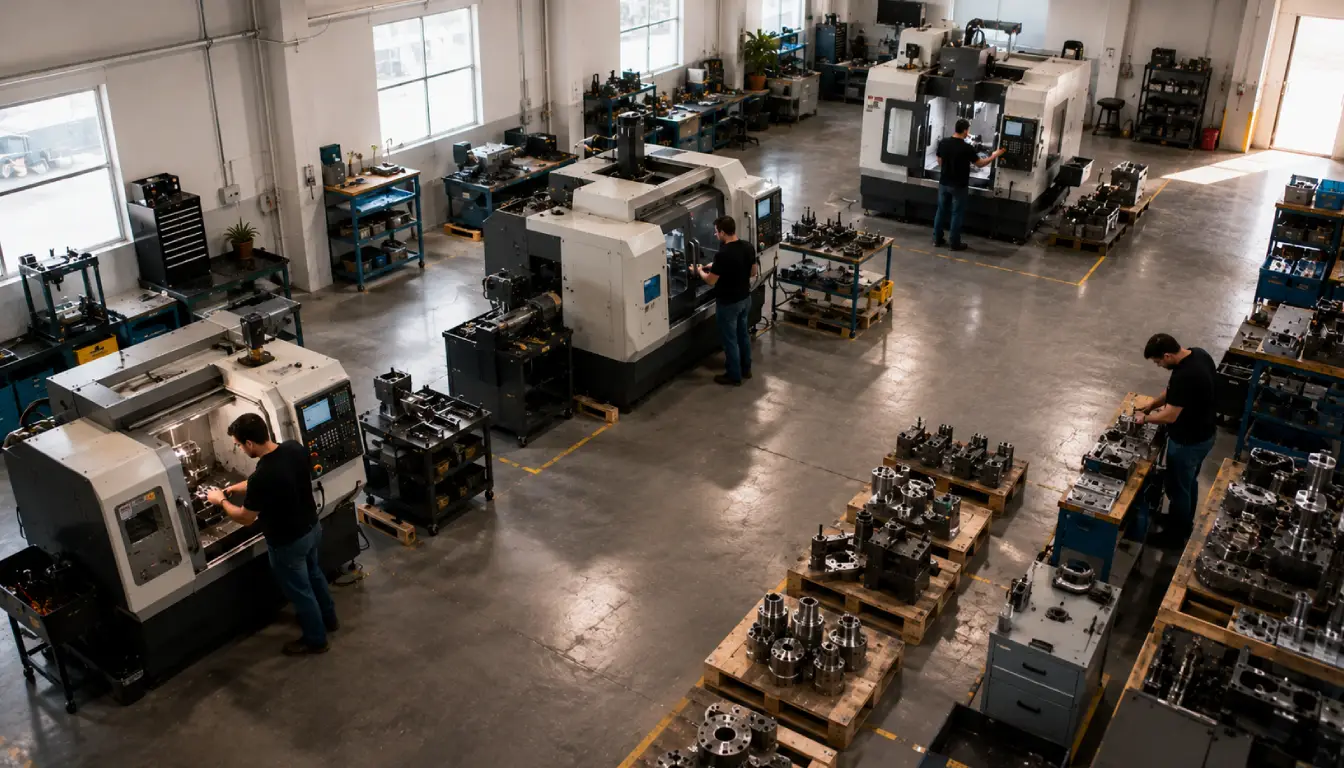
If you’re running a small to medium manufacturing operation, you know the pressure of choosing equipment that’ll actually pay for itself. You need reliable machines that handle your production volume without the overhead of full-scale industrial systems. The best CNC machines for small manufacturers balance capability, footprint, and cost — but knowing which models deliver that balance takes some industry knowledge.
What Makes a CNC Machine Right for Smaller Operations

Small manufacturers need machines that don’t require dedicated operators standing by all shift. You’re looking for equipment that’s productive enough to justify the investment but forgiving enough that your team can run multiple machines or switch between jobs without constant reprogramming.

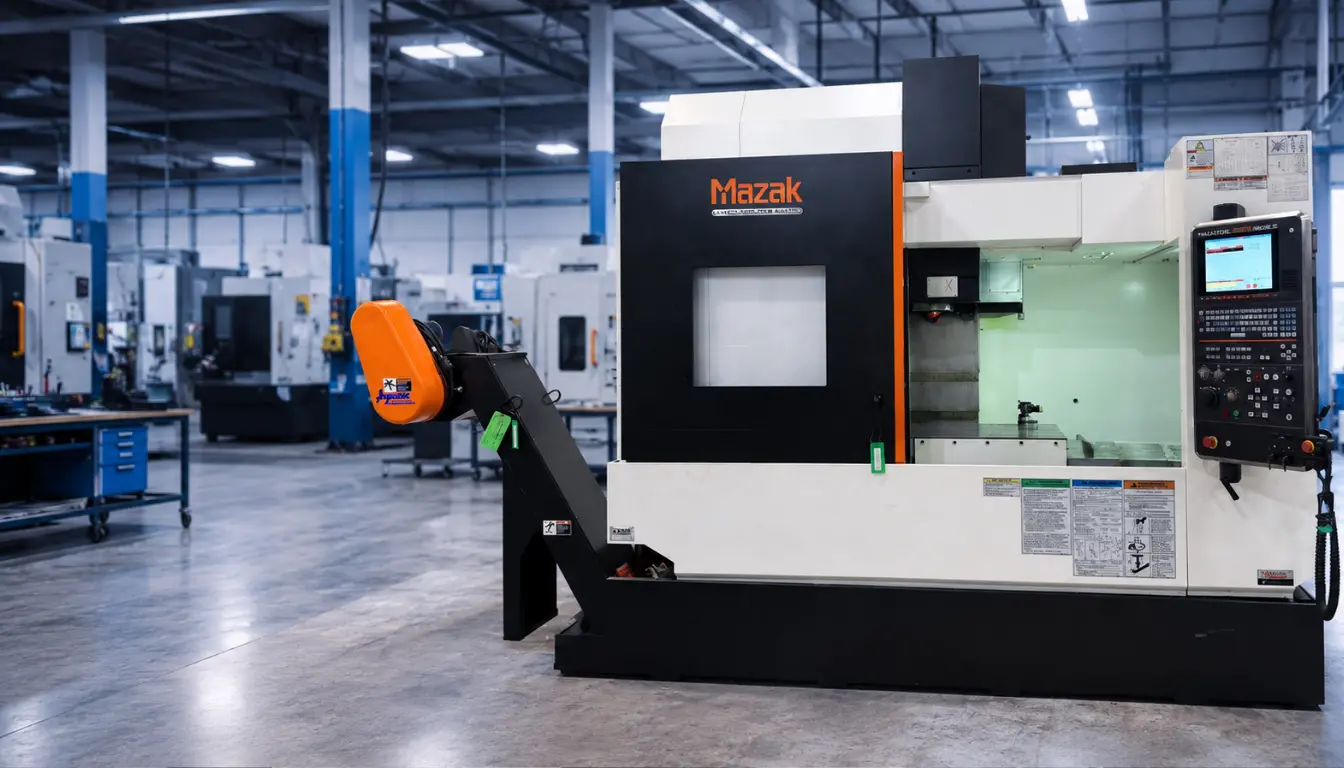
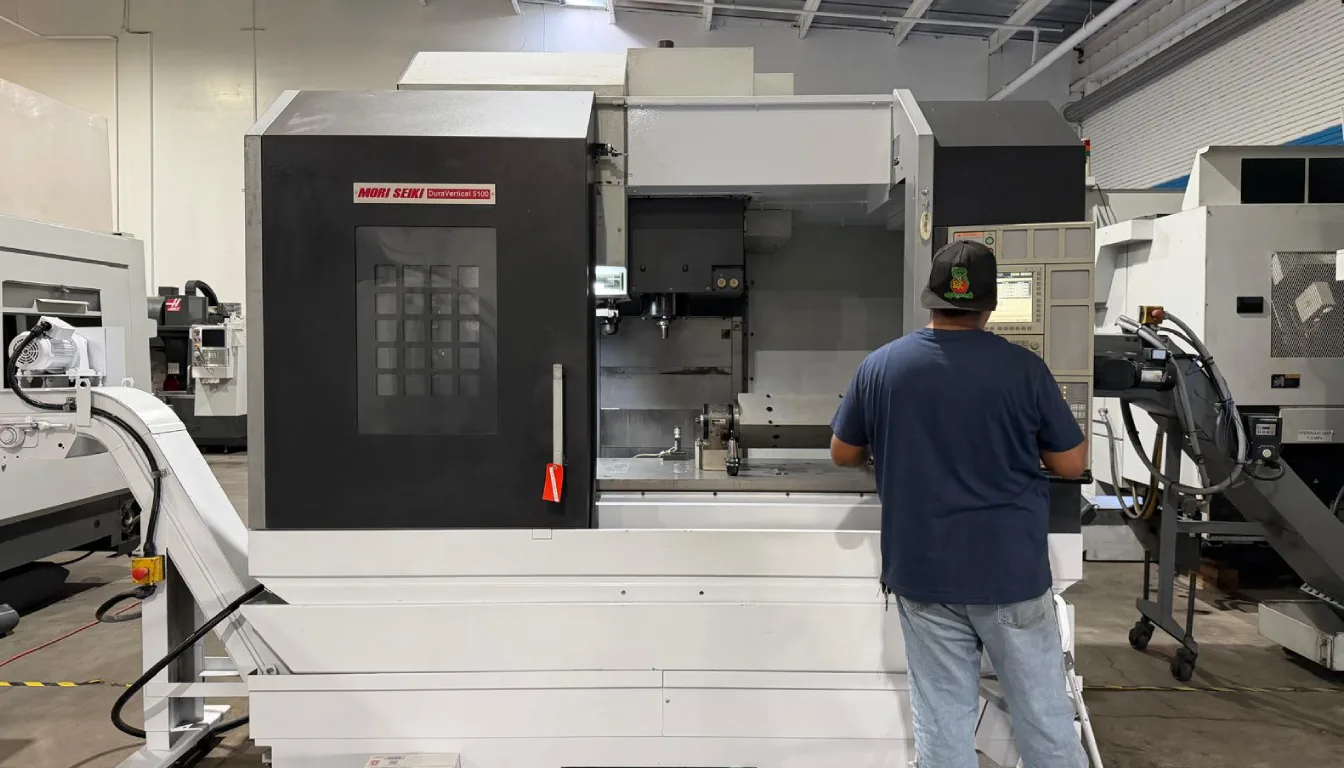
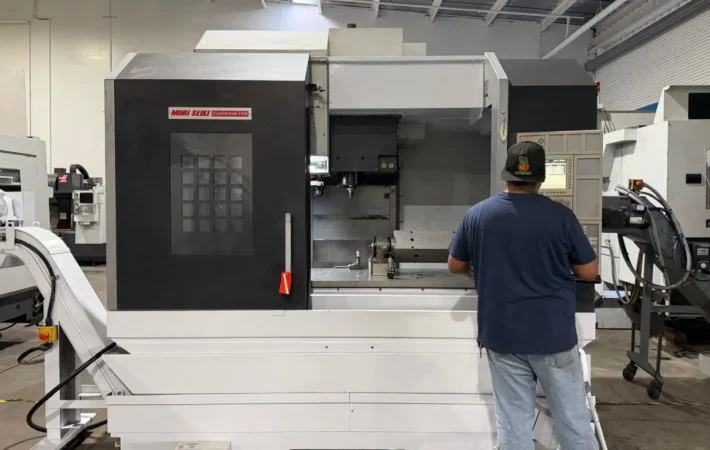
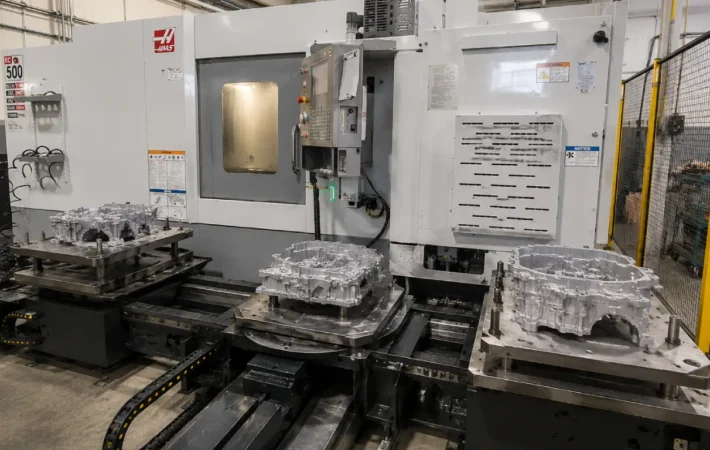
Vertical machining centers typically make the most sense for shops doing 80% or more milling work. A 3-axis VMC with 40-taper spindle, 10,000+ RPM, and 20-30 tool capacity handles most small batch production without eating up your floor space. Think Haas VF-2, Fadal VMC 4020, or Doosan DNM 400 — proven workhorses you’ll find in thousands of job shops.

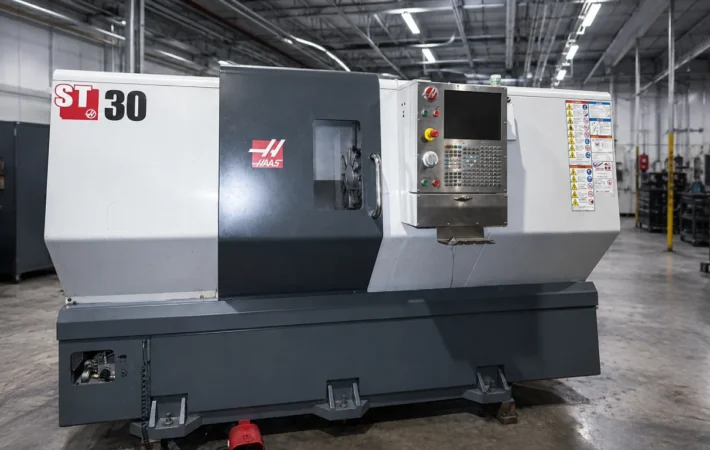
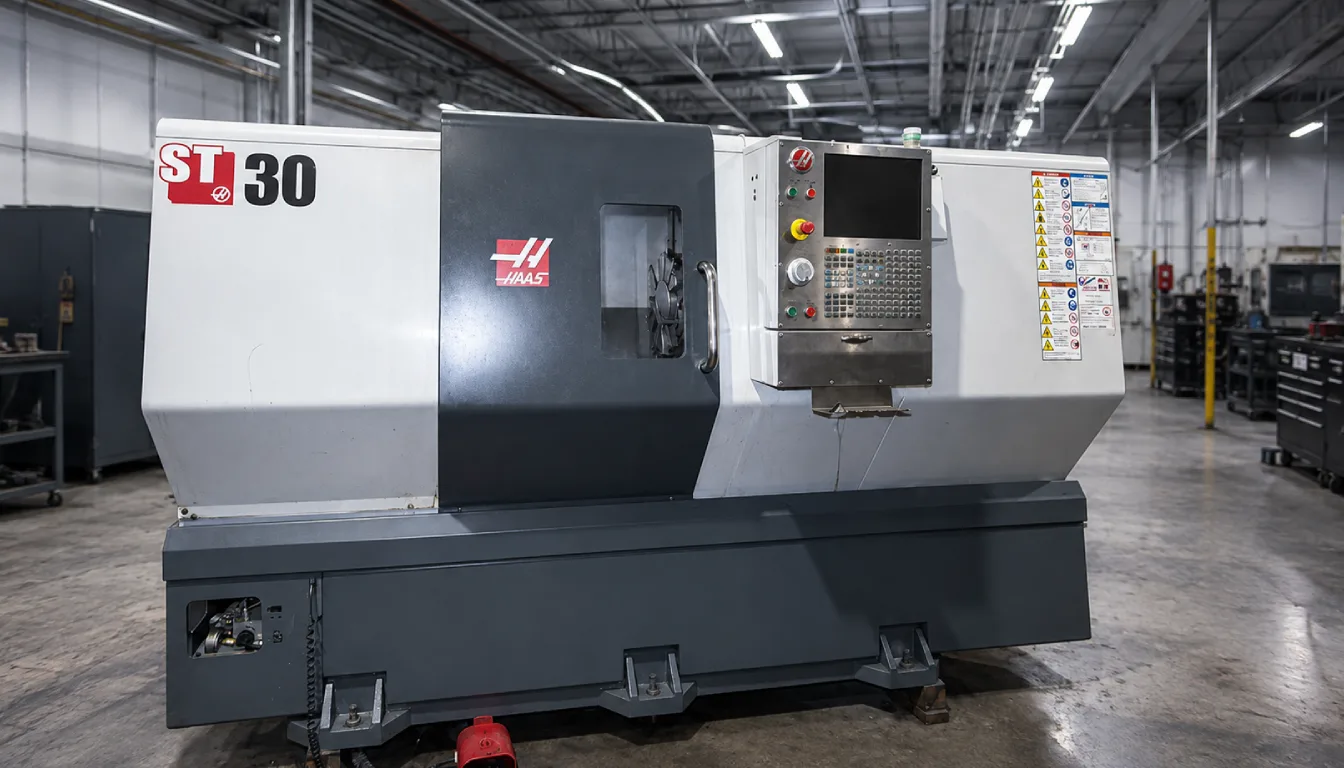
For turning work, a CNC lathe with 12-position turret, 10″ chuck, and programmable tailstock covers the majority of shaft, bushing, and cylindrical part production. You don’t need live tooling on day one, but having the option to add it later keeps you flexible as customer demands change.

Choosing Between New and Used Equipment

Here’s where small manufacturers gain serious advantage: buying used doesn’t mean buying problems. The best CNC machines for small manufacturers are often 5-10 year old models from quality builders, sold by shops upgrading capacity or exiting certain product lines.

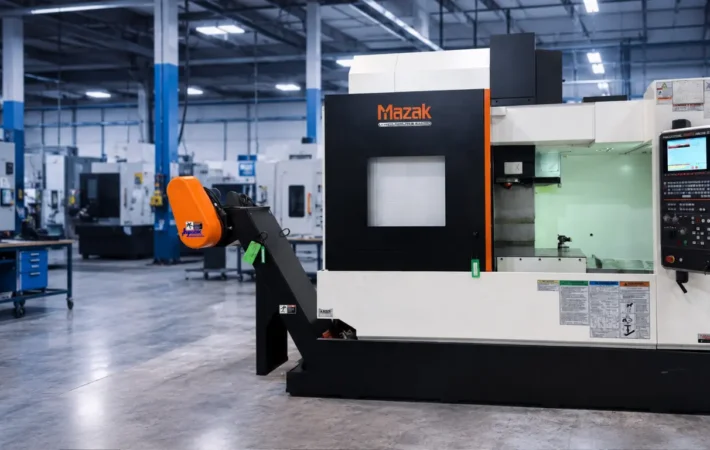
A used Haas or Mazak with documented maintenance and reasonable spindle hours costs 40-60% less than new. You’re getting the same rigid construction, the same control interface, and often better availability on replacement parts than some newer budget imports.

Watch for these signs of well-maintained used equipment:

  • Service records showing regular preventive maintenance
  • Spindle hour count under 15,000 (for machines rated to 30,000+)
  • Clean coolant system without sludge buildup
  • Way covers intact and bellows without tears
  • Control screen clear and responsive, no flickering

The control system matters more than you’d think. Fanuc controls dominate the North American market, which means your operators probably know them and training resources are everywhere. Siemens and Heidenhain controls are excellent but less common in smaller shops.

Matching Machine Capacity to Your Real Production Needs

Most small manufacturers overestimate the size they need. A 50-taper machine with 60″ travel sounds impressive, but if your typical parts fit in a 12″ cube, you’re paying for capacity you’ll never use — and dealing with longer setup times and higher operating costs.

Start with your actual part mix from the last 12 months. What’s the largest envelope you regularly machine? What’s your heaviest workpiece? Add 20% buffer for growth, and that’s your target capacity. A VMC with 20″ x 16″ x 20″ travel handles more work than you’d expect.

Spindle power and RPM range matter more than table size for many operations. If you’re cutting aluminum and softer materials, 7,500 RPM might be plenty. Stainless and harder alloys benefit from 10,000+ RPM and higher horsepower. Don’t pay for 15,000 RPM direct-drive spindles if your work doesn’t need it.

Common Mistakes When Buying Your First CNC

Small manufacturers often buy based on the most complex part they might someday make instead of the 200 parts they’ll actually produce next quarter. That’s expensive thinking.

Another mistake: skipping the tooling budget. The machine’s just the platform. You’ll need work holding, cutting tools, inspection equipment, and probably some custom fixtures. Budget 15-25% of the machine cost for initial tooling, or you’ll be waiting on backorders while your new CNC sits idle.

Don’t forget about chip management. A machine making piles of chips needs a way to clear them efficiently. Conveyor systems, coolant filtration, and chip bins aren’t glamorous, but they’re the difference between running lights-out and constant cleanup interruptions.

Summary

  • Match machine capacity to your actual production volume, not theoretical maximums
  • Used equipment from quality builders offers excellent value for smaller operations
  • Vertical machining centers and CNC lathes with standard controls cover most job shop work
  • Budget for tooling, fixturing, and chip management alongside the machine purchase

Finding the best CNC machines for small manufacturers means balancing capability with practical shop floor realities. MachineStation’s inventory includes proven models across multiple brands, with the inspection details and service history that help you buy with confidence.

FAQs:

1. What makes a CNC machine a good fit for a small manufacturing shop?

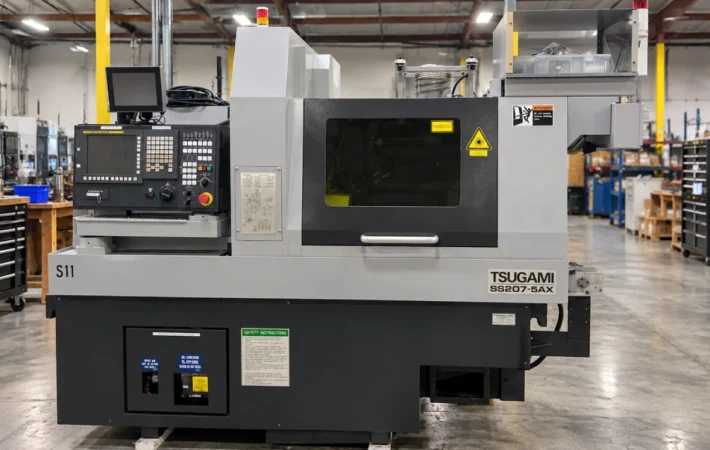
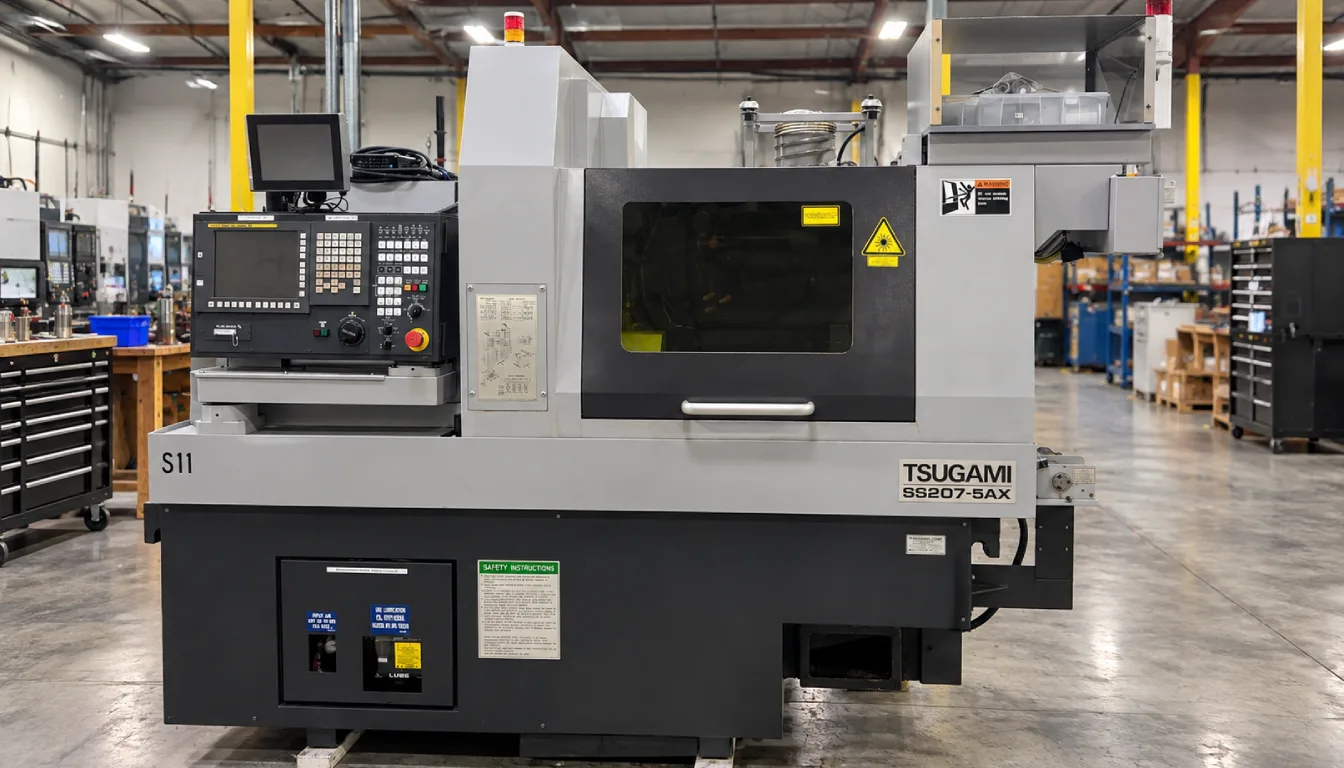
The best CNC machines for small manufacturers deliver the right balance of capability, footprint, and cost. Look for machines that handle your typical part sizes and production volumes without requiring excessive floor space or specialized infrastructure. Vertical machining centers like the Haas VF-2 or VF-3, CNC lathes such as the Haas ST-20 or Doosan Puma 2600, and compact Swiss-type lathes are popular choices because they offer proven reliability, widely available tooling, straightforward controls, and strong resale value. Buying used equipment from trusted brands allows you to access these capabilities at 40-60% less than new pricing, making it easier to achieve positive ROI quickly.

Yes. Many small manufacturers successfully finance used CNC machines through equipment financing, leasing programs, or trade-in arrangements. MachineStation works with buyers to explore financing options that fit your budget and cash flow needs. Financing a used machine often means lower monthly payments compared to new equipment, while still giving you the production capacity to take on new work and grow revenue. Whether you’re adding your first CNC machine or expanding capacity, financing makes it possible to invest in quality equipment without tying up working capital.

Start by evaluating your typical part sizes, materials, and production volumes. Match those requirements to the machine’s specifications: table size, spindle speed, tool capacity, and control system. At MachineStation, our team helps you assess whether a specific machine fits your application—whether you’re running prototype work, short production runs, or higher-volume jobs. We provide detailed specs, machine history when available, and support throughout the buying process so you can make an informed decision. Many small shops find that a well-maintained used machine from a proven brand delivers the precision and reliability they need at a price that makes sense for their business.

Quick Contact

Please enable JavaScript in your browser to complete this form.
Are you a Reseller?

What is 4+4?

Back to Top
Select Language
Product has been added to your cart