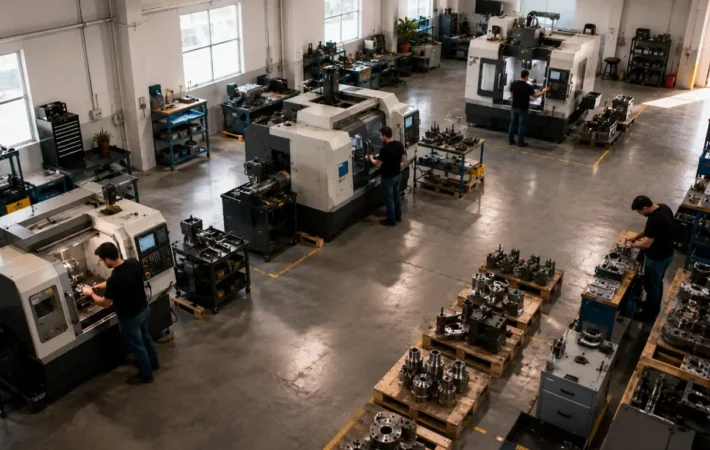
Home / Blogs / How to Evaluate a Used CNC Lathe Like a Pro

How to Evaluate a Used CNC Lathe Like a Pro

If you’re in the market for a used CNC lathe, you already know it’s a big investment. The right lathe can boost productivity and precision in your manufacturing processes. But how do you evaluate a used CNC lathe to ensure you’re making a wise purchase? By understanding the key factors that indicate a lathe’s true condition, you can avoid costly mistakes and secure a machine that meets your production needs.
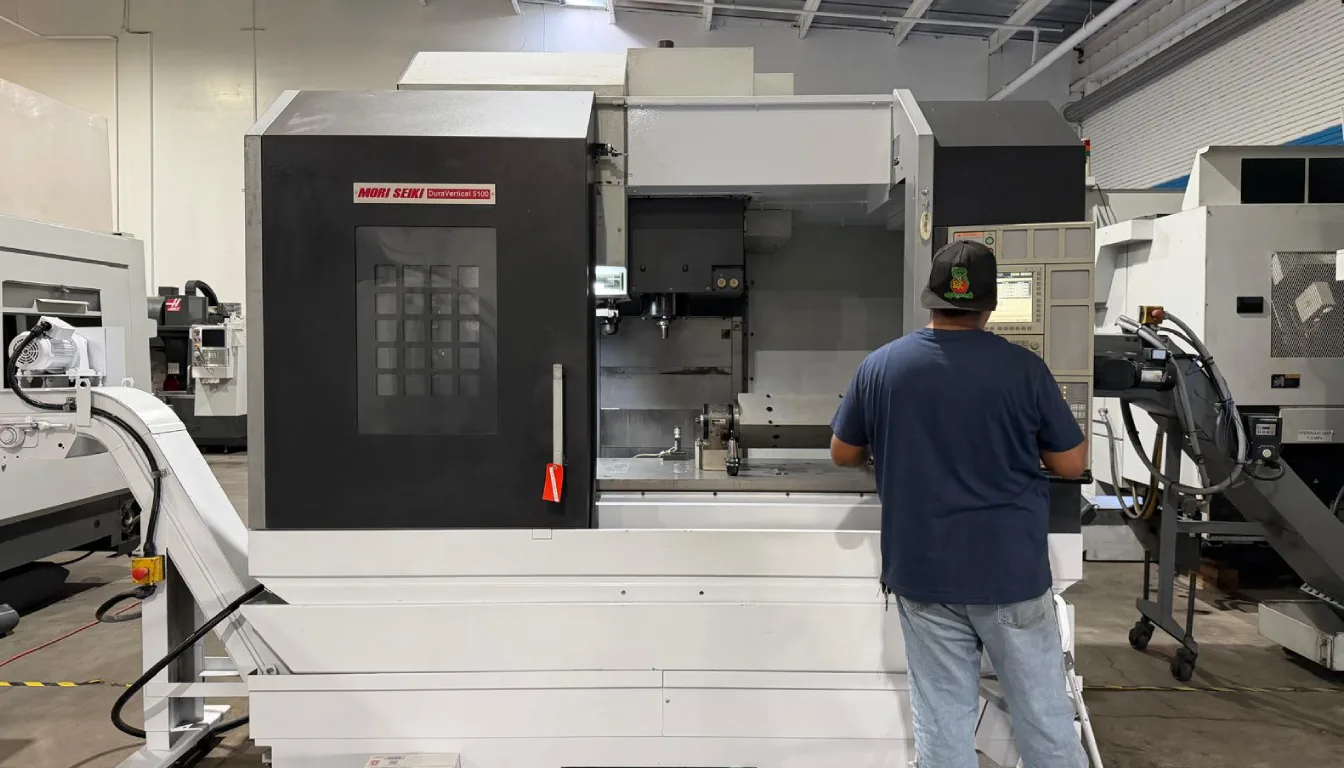
Key Aspects to Evaluate in a Used CNC Lathe

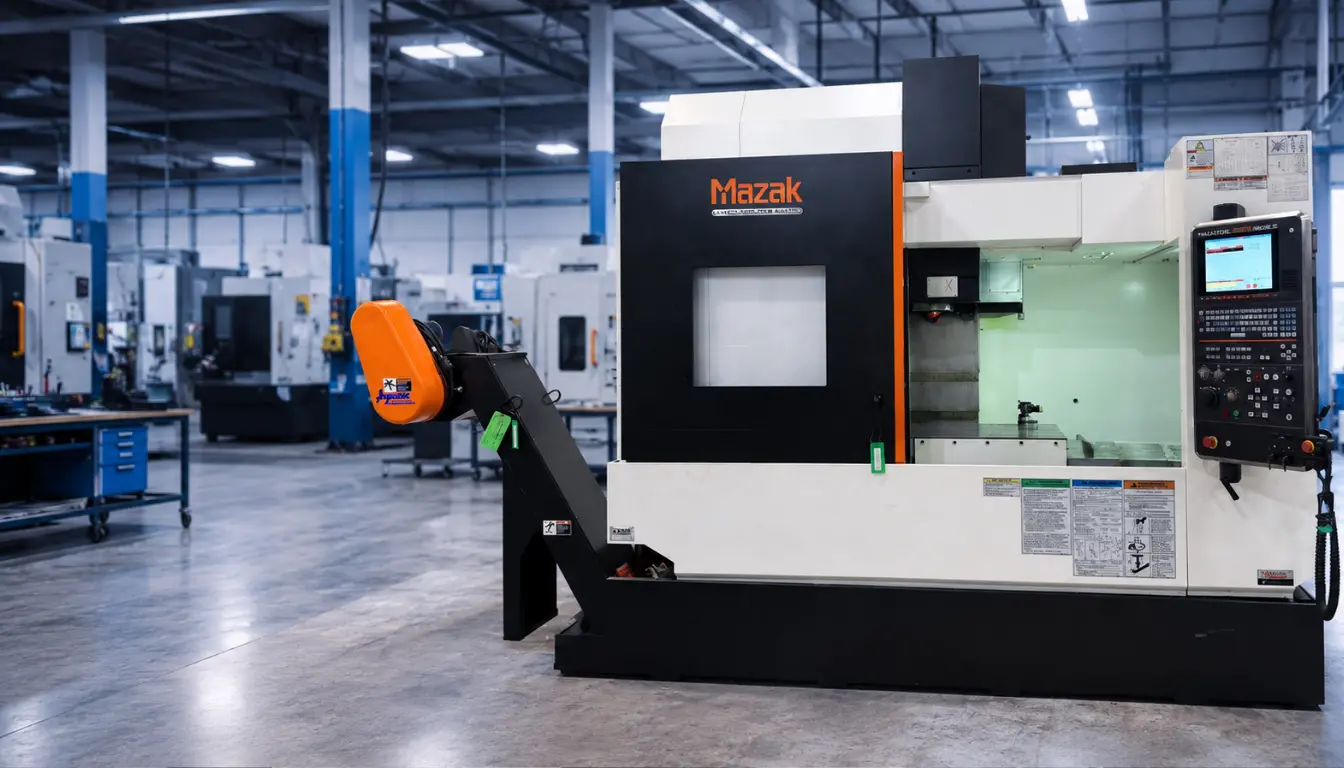
When you’re evaluating a used CNC lathe, start with the basics: age, usage history, and maintenance records. A machine that’s been well-maintained will generally offer better performance than one with a questionable service history, regardless of age. For instance, a 10-year-old lathe with comprehensive maintenance documentation can often be a smarter buy than a 5-year-old machine with spotty records.

Inspect the spindle hours closely. These hours can reveal how much work the machine has performed and offer insight into its wear and tear. A lathe with excessive spindle hours may require more frequent maintenance or parts replacement. Check for any unusual wear on the guideways and ball screws as well. Consistent wear patterns indicate regular use, whereas erratic wear might suggest improper maintenance or usage.

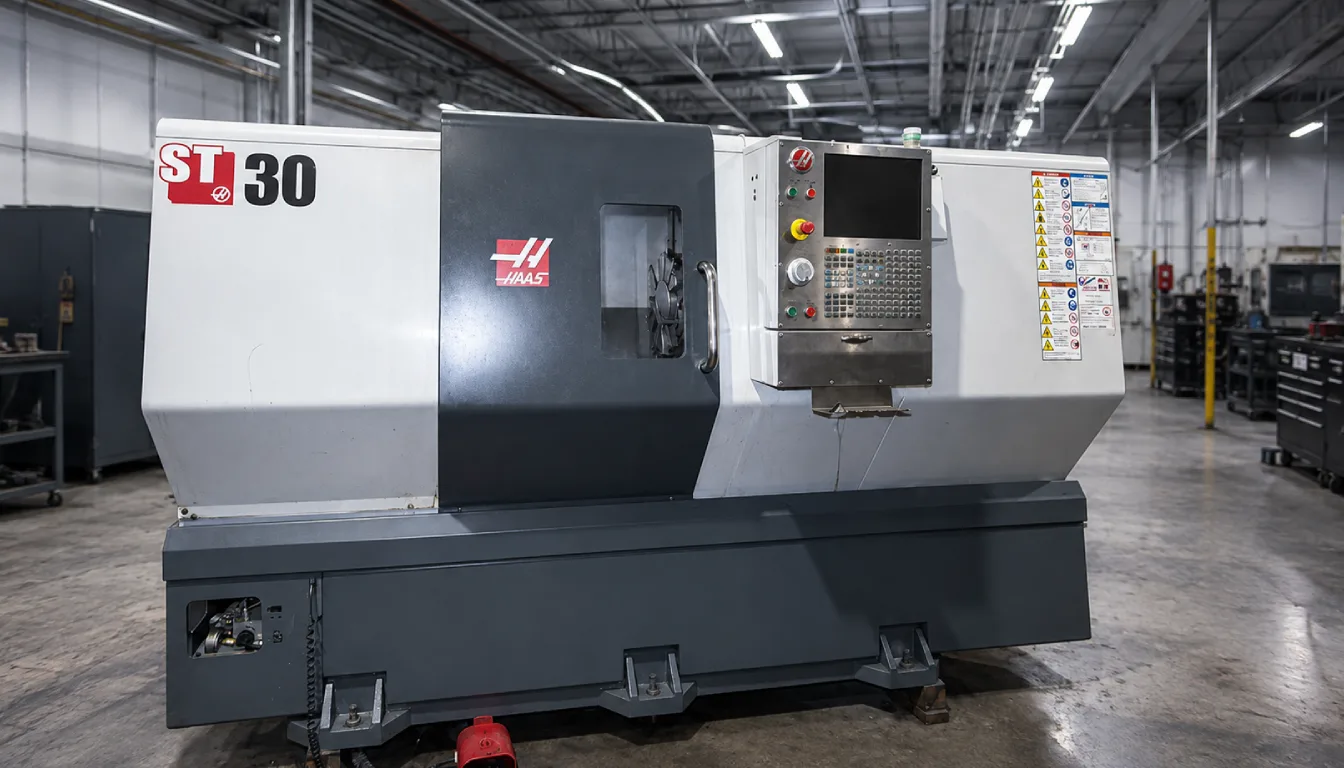
Don’t overlook the control system. An outdated or malfunctioning control can severely limit a machine’s capabilities. Test the control panel for responsiveness and accuracy. Make sure it can handle the complexity of your required tasks. If the control system is outdated, consider the cost and availability of an upgrade or retrofit.

Detailed Inspection Steps

To thoroughly evaluate a used CNC lathe, follow these steps:

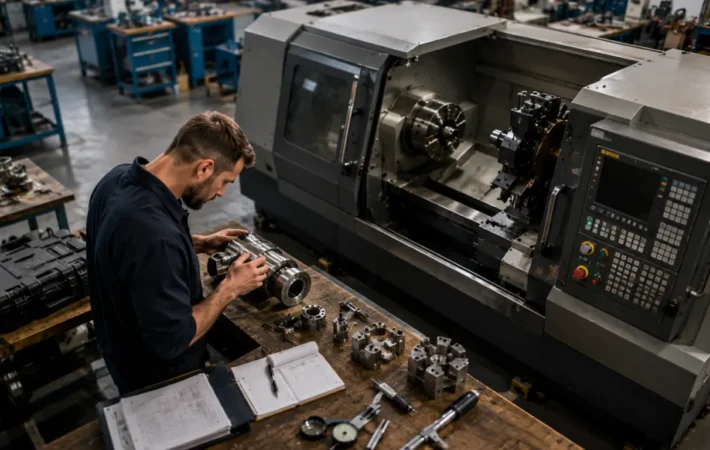
  • Visual Inspection: Start with a comprehensive visual inspection. Look for rust, dents, or signs of wear and tear that could indicate neglect.
  • Operational Test: If possible, run the lathe through a test cycle. Listen for unusual noises and check for vibrations that could affect precision.
  • Component Check: Inspect critical components like the chuck, tailstock, and tool turret. Check for smooth movement and secure locking mechanisms.
  • Electrical Systems: Review the electrical systems for signs of wear or repair. Ensure wiring is intact and connections are secure.
  • Documentation Review: Request maintenance records, manuals, and any service history. A well-documented machine typically signals a well-cared-for asset.

Practical Guidance for Buyers

Before purchasing, consider your specific operational needs. Determine the size, power, and precision requirements of the jobs you plan to run. A machine that’s too small or underpowered won’t meet your production needs, while an overly complex lathe may be unnecessarily expensive. Align the choice of lathe with your existing tooling and fixtures to avoid additional costs.

Calculate the total cost of ownership by factoring in potential repairs, part replacements, and upgrades. Often, the initial purchase price is just the beginning. Knowing these costs upfront helps you budget more effectively and avoid surprises down the line.

Key Things to Consider / Common Mistakes

Experienced buyers know the importance of inspecting a lathe’s alignment and precision. Newcomers often overlook this crucial aspect, which can lead to significant production issues. Use a test bar to verify the lathe’s alignment, ensuring it meets acceptable tolerance levels.

Don’t underestimate the value of a professional inspection. Hiring an expert can reveal hidden problems that aren’t obvious at a glance. It’s a small investment compared to the potential cost of unexpected repairs.

Finally, avoid rushing your decision. The used CNC lathe market is vast, and taking the time to find the right machine will pay off in the long run. Be patient and thorough in your evaluation.

Summary

  • Inspect spindle hours and maintenance records for insights into wear and longevity.
  • Conduct visual and operational tests to uncover hidden issues.
  • Align machine capabilities with production needs to ensure efficiency.
  • Consider total ownership costs, including potential repairs and upgrades.

Buying a used CNC lathe doesn’t have to be daunting. At MachineStation, we offer expertise and a wide range of options to help you find the right machine for your needs.

FAQs:

1. What should I look for when buying a used CNC lathe?

Focus on the machine’s age, maintenance records, spindle hours, and overall condition.

Maintenance records provide insights into the machine’s history and reliability, indicating how well it has been cared for.

Spindle hours reveal how much the machine has been used, helping to gauge its remaining lifespan and performance potential.

Older machines may have outdated technology but can still be valuable if they have been well-maintained.

Evaluate the machine’s specifications, such as axis count and control system, to ensure compatibility with your production requirements.

Quick Contact

Please enable JavaScript in your browser to complete this form.
Are you a Reseller?

What is 4+4?

Back to Top
Select Language
Product has been added to your cart
Max · MachineStation
Looking for a machine? I can check live inventory for you. 👋