Home / Blogs / Essential Maintenance Tips for Maximizing the Life of Your Used CNC Machines

Essential Maintenance Tips for Maximizing the Life of Your Used CNC Machines

If you’ve recently invested in a used CNC machine, you’re likely focused on reliability and longevity. Proper maintenance is crucial to ensure your equipment delivers high performance and avoids costly downtimes. Without a clear maintenance plan, even the best machines can underperform, leading to inefficiencies in your production line. So, how can you keep your used CNC machines running smoothly for years to come? Let’s explore some essential maintenance tips for used CNC machines that every owner should know.
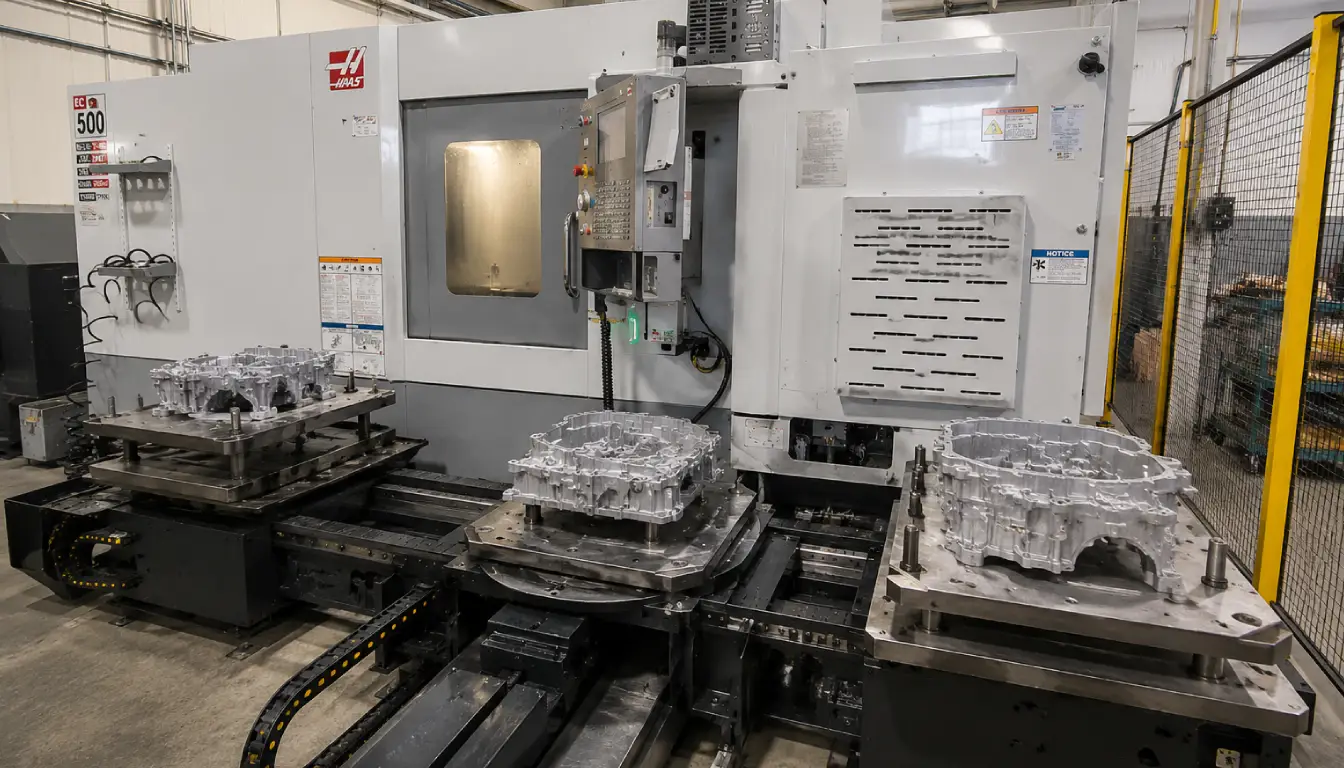
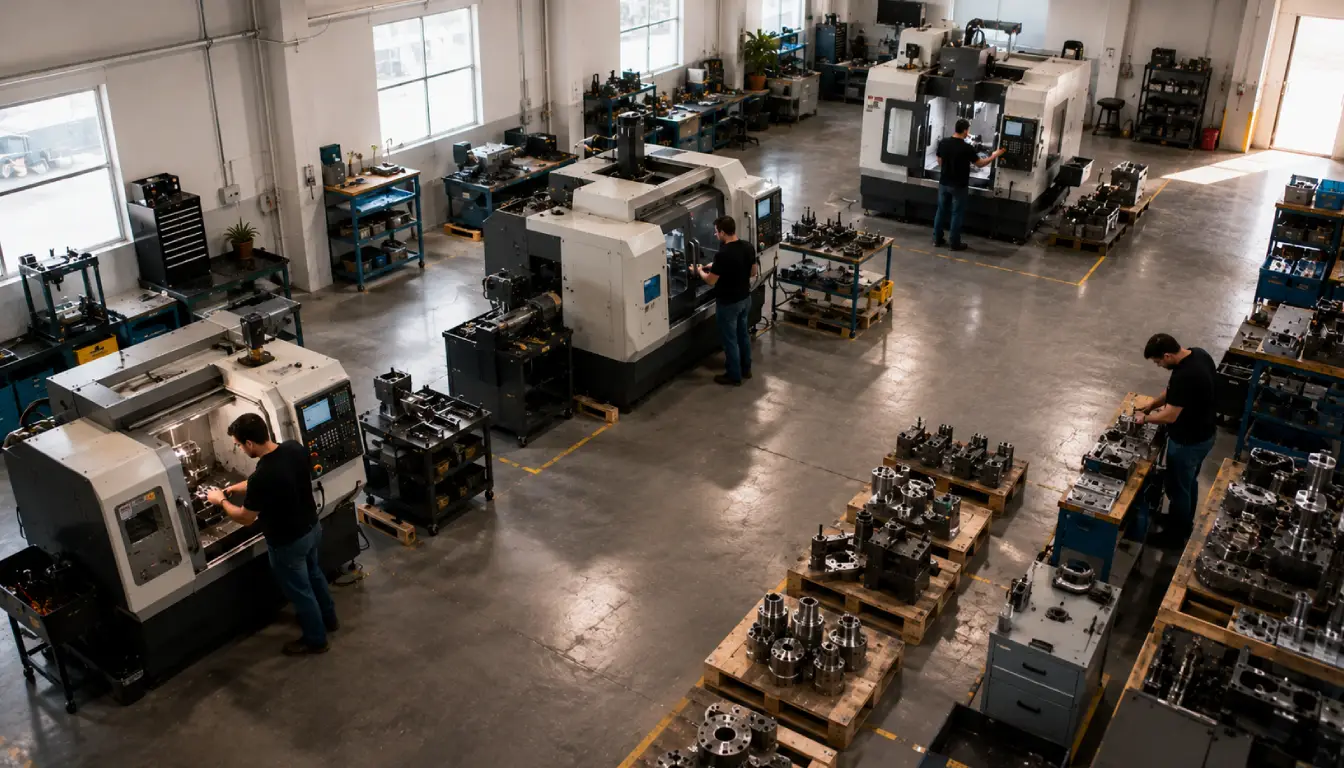
Understanding the Basics: Regular Inspection and Cleaning

The first step in maintaining your CNC machine is a consistent schedule for inspection and cleaning. This ensures that minor issues are addressed before they escalate into major problems. Begin by checking the machine’s alignment and calibration. Misalignment can lead to inaccurate cuts and increased wear on parts, costing you time and money.

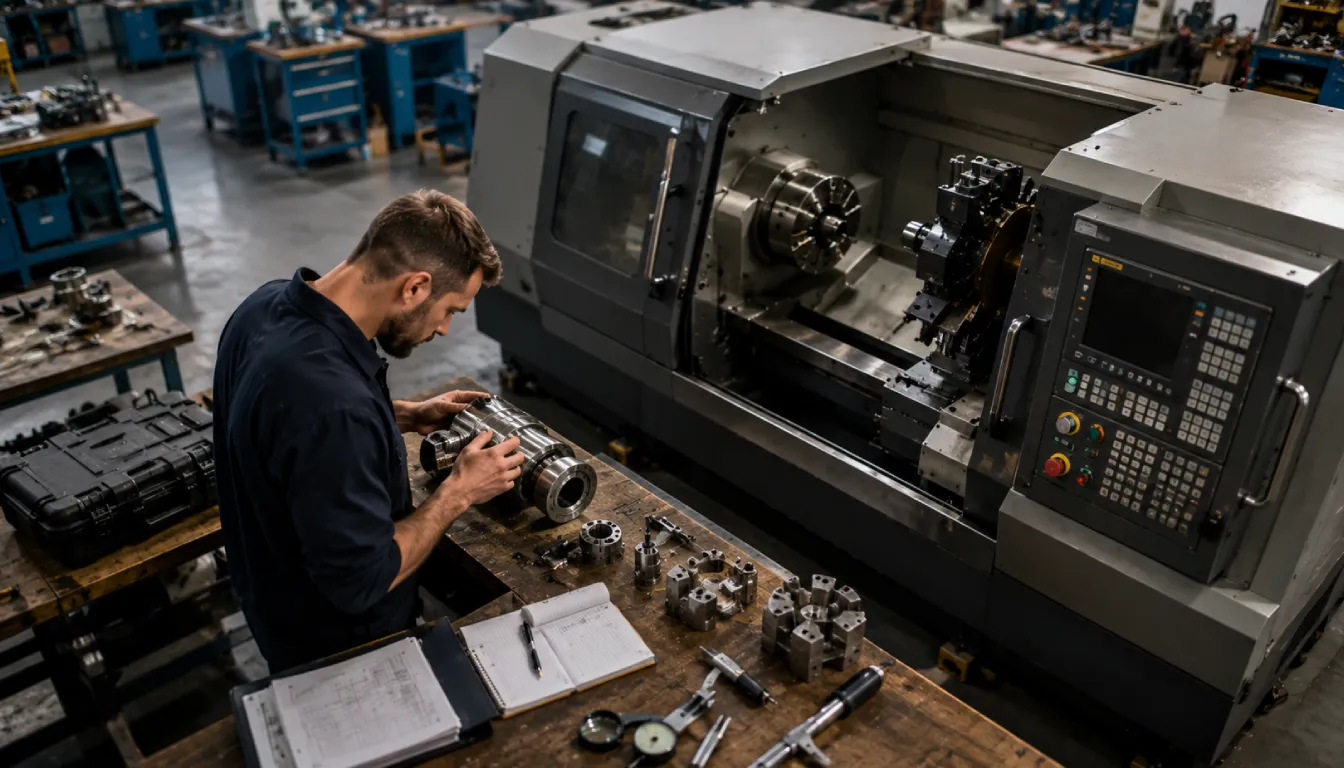
Routine cleaning is another pillar of effective maintenance. Dust, metal shavings, and oils can accumulate in the machine, leading to blockages or reduced efficiency. Use air blowers and brushes to clean the machine’s interior, paying special attention to the critical areas like the spindle and tool holders. Regular cleaning not only prolongs the machine’s life but also improves the quality of your output.

Advanced Maintenance: Key Areas to Focus On

Beyond the basics, understanding which parts of a CNC machine require more specialized attention can greatly enhance its lifespan. Here’s a list of crucial maintenance tips for used CNC machines:

  • Lubrication System: Ensure that all moving parts are properly lubricated to minimize wear and tear. Check oil levels and replace lubricants as recommended by the manufacturer.
  • Coolant System: Inspect the coolant levels and quality regularly. A faulty coolant system can cause overheating, affecting machine accuracy and part quality.
  • Electrical Components: Examine the wiring and connections for any signs of wear or damage. Faulty wiring can lead to machine malfunctions or even safety hazards.
  • Tool Holders and Spindles: These components bear the brunt of the workload. Regularly inspect them for wear and precision. Address any imbalance or wear immediately to avoid compromising your production quality.
  • Software Updates: Keep your CNC machine’s software updated to ensure compatibility with the latest manufacturing technologies and processes.

Practical Guidance for the Buyer

When purchasing a used CNC machine, prioritize models with a well-documented maintenance history. This gives you insights into potential future issues and how well the machine was cared for. 

Consider setting up a maintenance log where you track all inspections, repairs, and part replacements. This will help you identify patterns and preemptively address recurring issues. Investing in a small stock of commonly used spare parts can also save you time and prevent extended downtimes.

Key Things to Consider / Common Mistakes

Experienced buyers know that neglecting preventive maintenance is a common but costly mistake. Newcomers might underestimate the impact of small issues like minor misalignments or slightly worn tools. Over time, these can escalate, leading to major breakdowns. Also, be wary of over-lubricating components, as this can attract dust and debris, causing more harm than good.

Another common oversight is ignoring software updates. Many focus solely on the physical aspects of maintenance, neglecting the importance of keeping the machine’s software current. This can lead to compatibility issues with new tools or processes, hindering your operations.

Summary

  • Regular inspection and cleaning are foundational maintenance practices.
  • Focus on lubrication, coolant system, electrical components, tool holders, and software updates.
  • Prioritize used CNC machines with a documented maintenance history.
  • Avoid common mistakes like neglecting preventive maintenance and software updates.

Proper maintenance extends the life of your CNC machines and ensures they run efficiently. By following these maintenance tips for used CNC machines, you’ll avoid unnecessary costs and keep your operations on track. If you’re considering expanding or upgrading your equipment, check out MachineStation’s expert resources and comprehensive inventory for the best in used CNC machinery.

FAQs:

1. What are the key maintenance practices for used CNC machines?

Regular inspections, cleaning, lubrication, and alignment checks are essential to maintain performance and prevent wear.

It’s recommended to perform inspections monthly to catch any potential issues early and ensure smooth operation.

Basic tools include air blowers, brushes for cleaning, and alignment tools for calibration. 

Proper lubrication reduces friction, prevents overheating, and extends the life of moving parts.

While basic maintenance can be done in-house, complex issues may require professional service to avoid damage.

Quick Contact

Please enable JavaScript in your browser to complete this form.
Are you a Reseller?

What is 4+4?

Back to Top
Select Language
Product has been added to your cart
Max · MachineStation
Looking for a machine? I can check live inventory for you. 👋