Home / Blogs / Maximizing Production: How CNC Machines Boost Manufacturing Efficiency

Maximizing Production: How CNC Machines Boost Manufacturing Efficiency

Imagine being a plant operator struggling with bottlenecks, machine downtime, and inconsistent product quality. You’re not alone. Many manufacturers face these challenges, often looking for solutions to improve productivity without a massive overhaul. Enter CNC machines. Known for their precision and automation capabilities, CNC machines can significantly enhance manufacturing efficiency. Let’s explore how these machines can transform your operations and what practical steps you can take to incorporate them effectively.
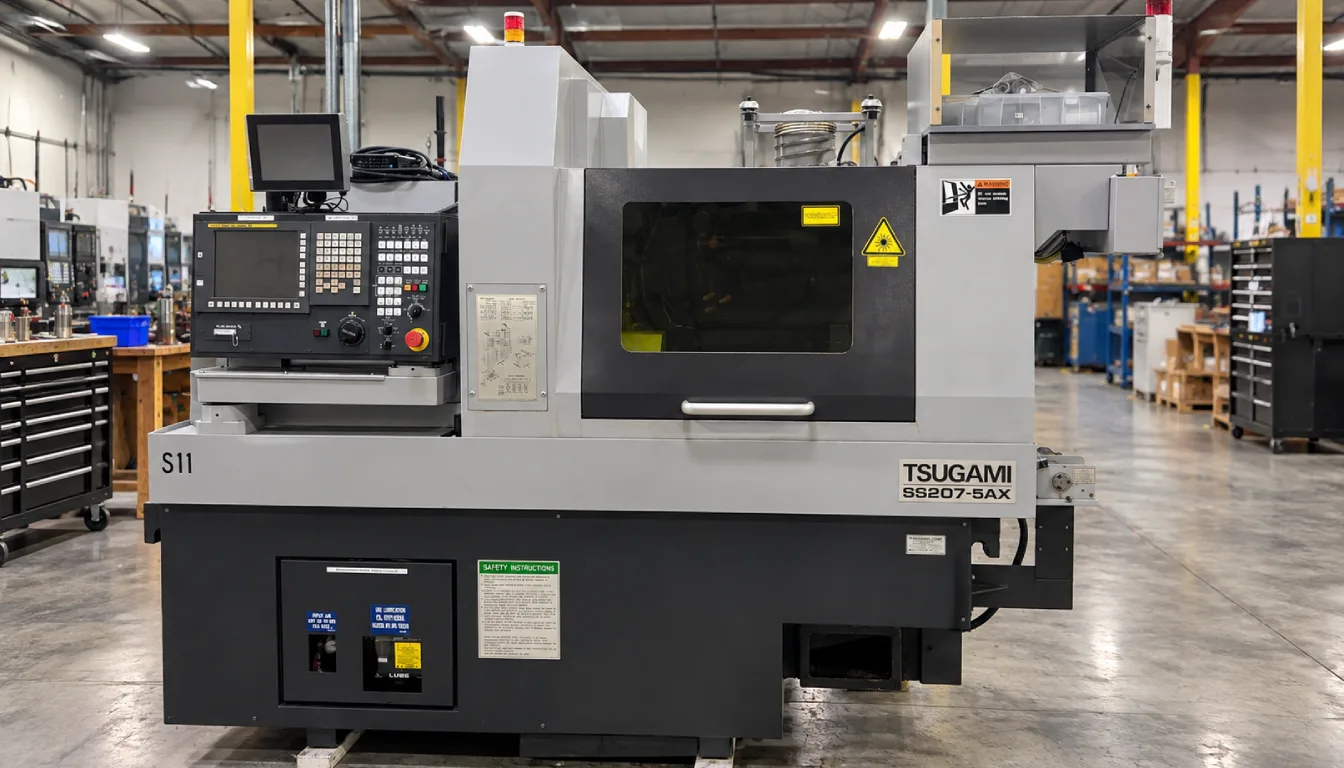
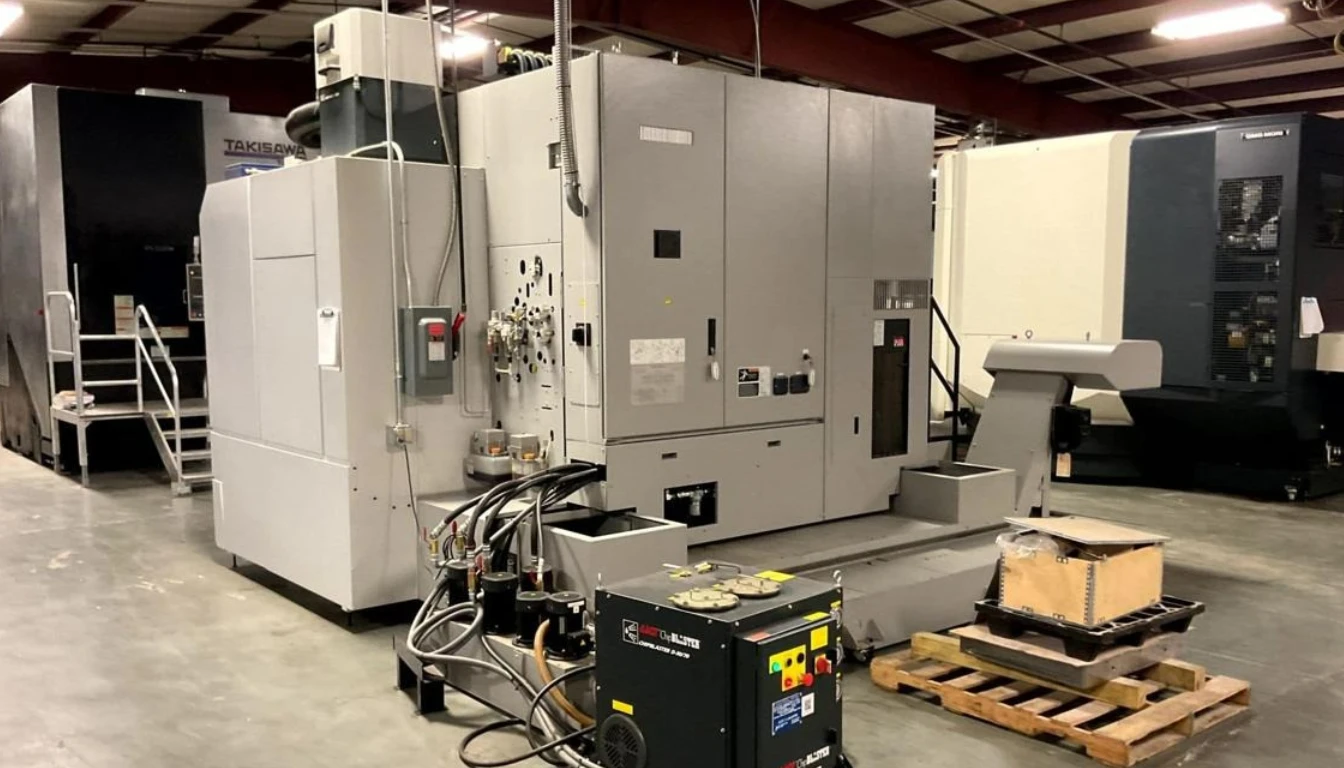
Precision and Automation: The Core of CNC Efficiency

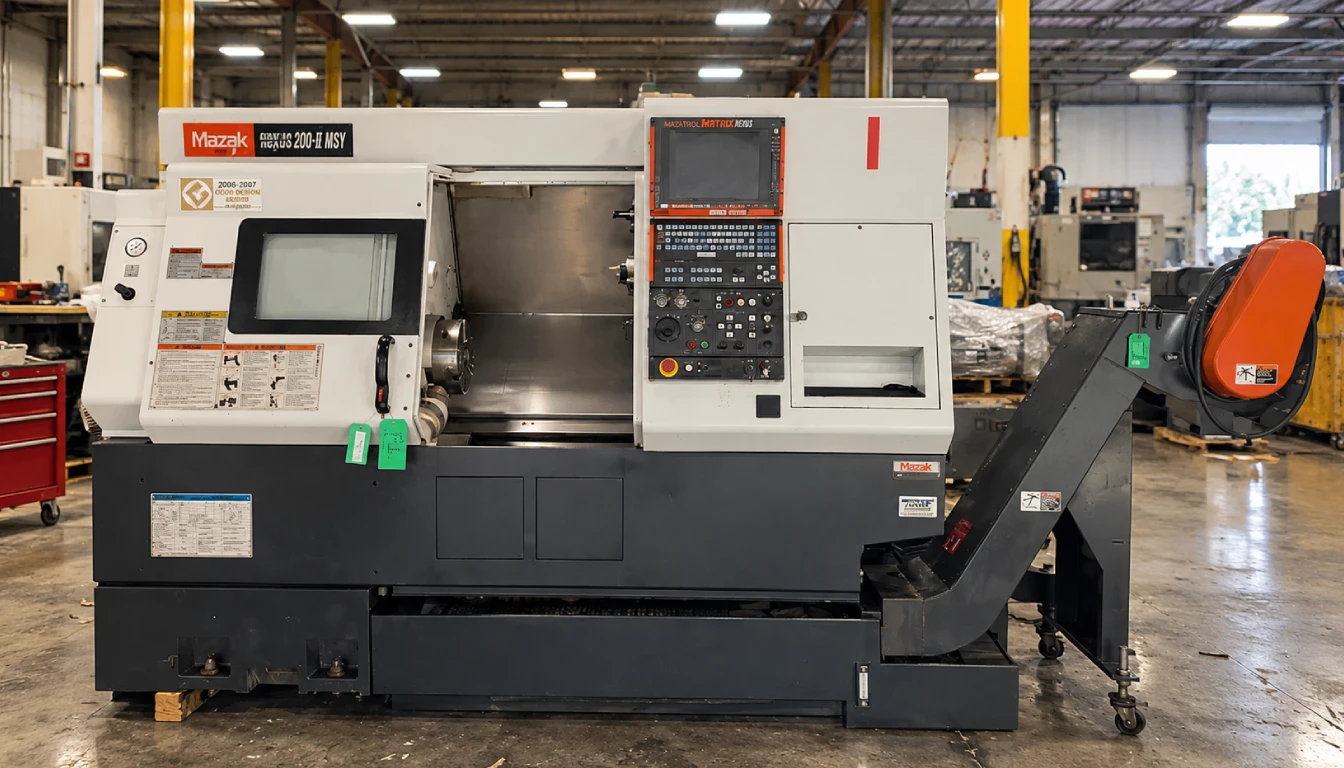
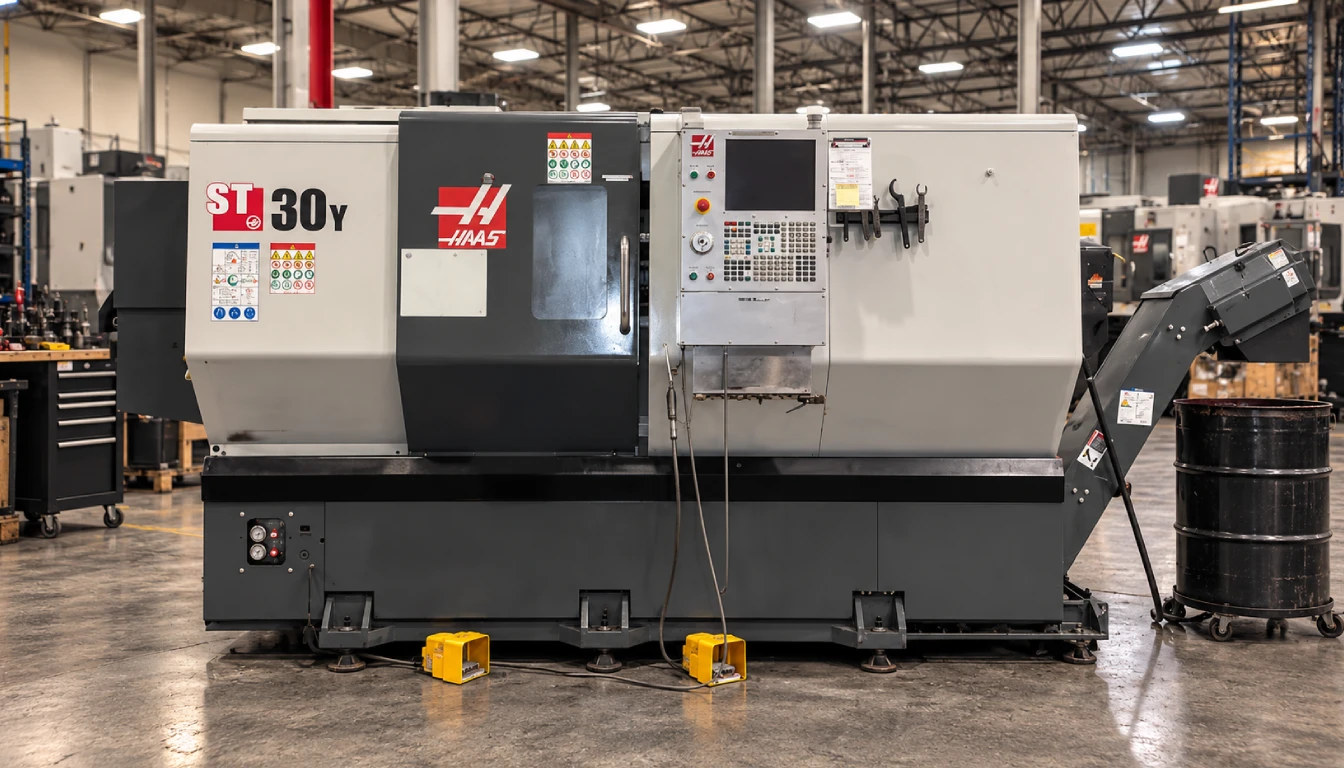
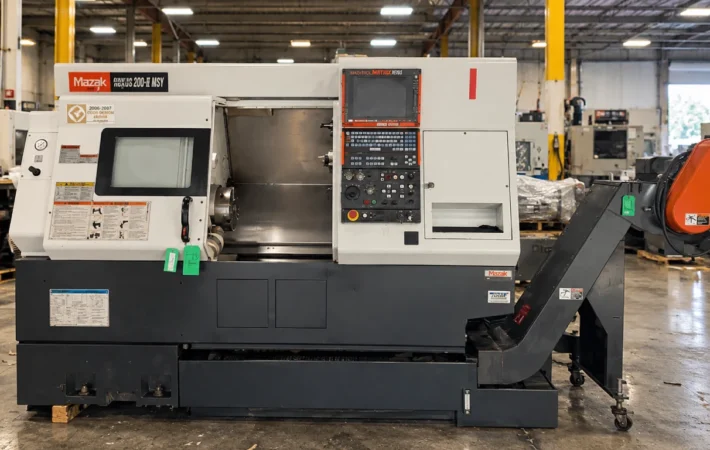
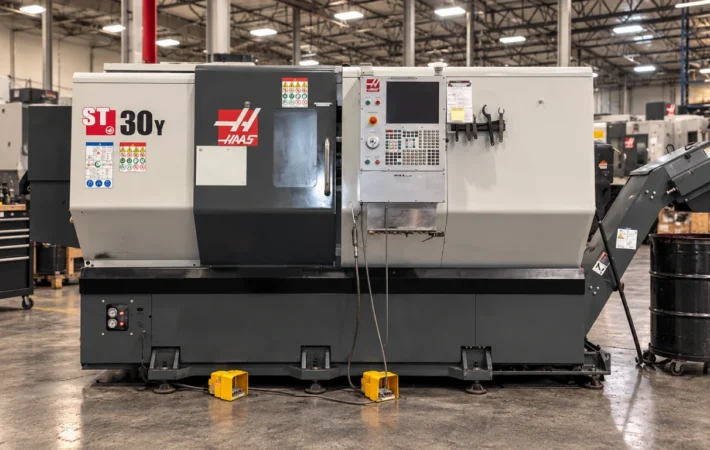
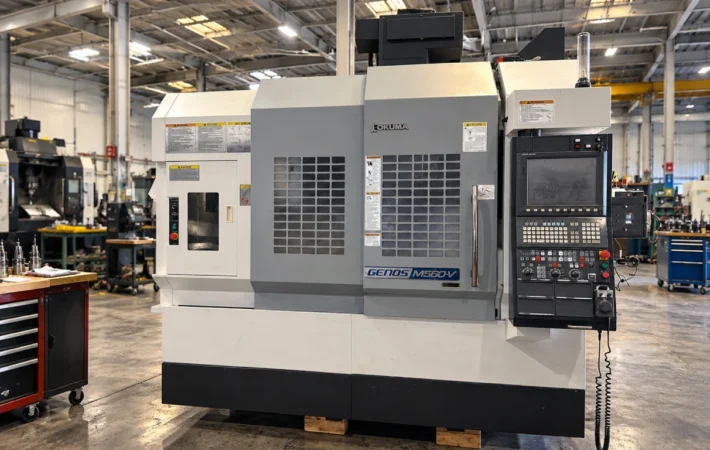
CNC machines—short for Computer Numerical Control—are revolutionizing the manufacturing landscape with unparalleled precision and automation. Unlike manual machines, CNC machines execute complex tasks with remarkable accuracy, reducing human error. Imagine needing to produce 1,000 identical components. With CNC machines, each part is manufactured to exact specifications, eliminating the variability that can plague manual processes.

Precision isn’t just a buzzword; it’s a tangible benefit. For instance, in automotive manufacturing, CNC machines can maintain tolerances within microns. This level of precision ensures parts fit perfectly, reducing the need for costly rework and waste. Moreover, CNC machines can operate around the clock with minimal supervision, drastically improving throughput. This means that a task which might take a day with manual intervention can be completed in a matter of hours, thanks to CNC automation.

Automation also frees skilled workers from repetitive tasks, allowing them to focus on more strategic activities, like quality control and process optimization. This shift not only enhances overall efficiency but also boosts employee satisfaction and retention by reducing the monotony of their daily work.

Streamlining Production with CNC Flexibility

The adaptability of CNC machines is another factor contributing to manufacturing efficiency. Here’s how CNC machines streamline production:

  • Reduced Setup Time: CNC machines can switch between tasks quickly with minimal setup time. This flexibility is crucial for manufacturers handling diverse product lines.
  • Consistent Quality: Once programmed, CNC machines produce consistent high-quality products, reducing rejects and rework.
  • Scalability: Whether you’re producing a single prototype or mass-producing thousands of units, CNC machines can scale operations effortlessly, adapting to varying production demands.

Take, for example, a furniture manufacturer using CNC routers. Switching from one design to another is as simple as loading a new program, allowing the company to respond swiftly to changing customer preferences without significant downtime. This adaptability significantly reduces production cycles and maximizes equipment utilization.

Practical Guidance for Implementing CNC Machines

If you’re considering CNC machines to improve manufacturing efficiency, you’ll need to evaluate several factors:

  • Assess Your Needs: Determine if CNC machines align with your production requirements. Consider the types of materials you’re working with and the complexity of the parts you need to produce.
  • Budget Smartly: While CNC machines require an upfront investment, they often provide a quick return on investment through increased efficiency and reduced waste.
  • Staff Training: Ensure your team is well-versed in CNC operations. Investing in training will help maximize the machine’s capabilities and minimize errors.
  • Maintenance and Support: Regular maintenance is crucial for keeping CNC machines running efficiently. Partner with a reliable supplier who offers excellent after-sales support.

For instance, a mid-sized metal fabrication shop looking to upgrade could start with a used CNC machine to manage costs while still reaping the benefits of enhanced productivity. With proper training and maintenance, even a used machine can significantly boost your operations.

Key Things to Consider / Common Mistakes

When integrating CNC machines, there are pitfalls to watch out for:

  • Underestimating the Learning Curve: New users often underestimate the time it takes to become proficient with CNC technology. Plan for a learning period to avoid disruptions.
  • Ignoring Maintenance: Regular maintenance is non-negotiable. Neglecting it can lead to significant downtime and costly repairs.
  • Overlooking Software Compatibility: Ensure your CNC machines are compatible with existing software systems. This will prevent integration issues that could impact production.

Experienced buyers know the importance of having a strategy for smooth implementation and ongoing operation of CNC machines. This includes setting realistic timelines for integration and allocating resources for regular training updates.

Summary

  • CNC machines offer unmatched precision and automation, reducing human error.
  • They streamline production with quick setup times and consistent quality.
  • Key considerations include assessing needs, budgeting, training, and maintenance.
  • Common mistakes involve underestimating learning curves and neglecting maintenance.

Considering CNC machines for your manufacturing operations can be a game-changer for efficiency. At MachineStation, we help buyers find the right CNC machines to meet their production demands, ensuring a smooth transition to enhanced manufacturing efficiency.

FAQs:

1. What are the main benefits of using CNC machines in manufacturing?

CNC machines offer precision, automation, and reduced downtime, leading to increased production efficiency and consistent product quality.

By automating complex tasks and operating continuously with minimal supervision, CNC machines streamline production processes and eliminate bottlenecks.

Yes, CNC machines ensure high precision and consistency, minimizing human error and maintaining strict tolerances for better product quality.

CNC machines can automate tasks such as cutting, drilling, and milling, freeing skilled workers for strategic roles like quality control.

Manufacturers can start by identifying repetitive tasks suitable for automation and gradually incorporating CNC machines to enhance efficiency.

Quick Contact

Please enable JavaScript in your browser to complete this form.
Are you a Reseller?

What is 4+4?

Back to Top
Select Language
Product has been added to your cart
Max · MachineStation
Looking for a machine? I can check live inventory for you. 👋