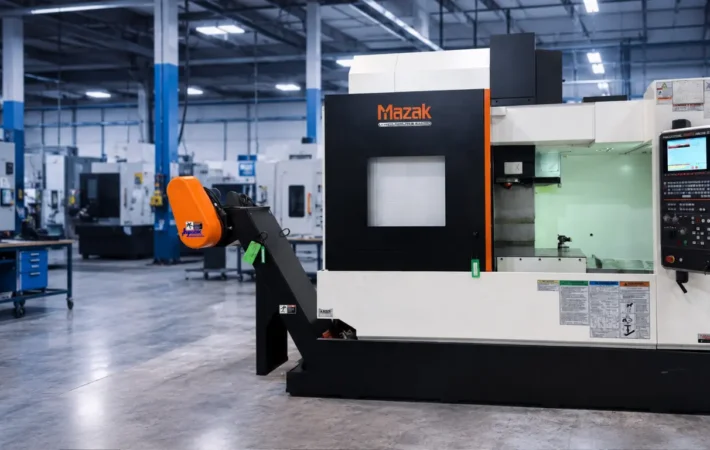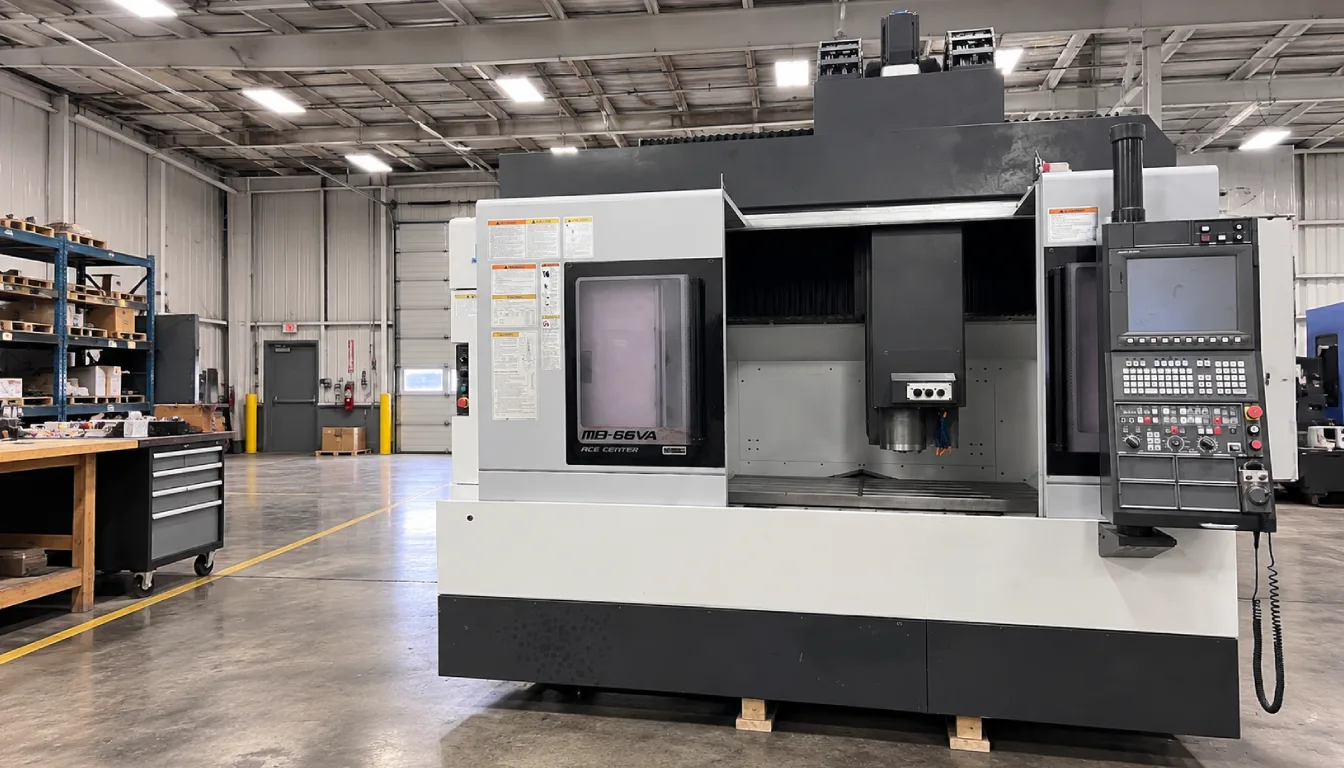
Home / Blogs / Used CNC Machine Operating Hours: What Do They Really Tell You?

Used CNC Machine Operating Hours: What Do They Really Tell You?

When buying a used CNC machine, operating hours are often one of the first details buyers want to know. A machine with fewer hours may seem like the obvious choice, but CNC machine hours alone do not tell the complete story.

The type of hours recorded, how the machine was used, its maintenance history, and its current condition all matter when evaluating used equipment.

Understanding the difference between power-on hours, cycle hours, and spindle hours can help you ask better questions and make a more informed purchasing decision.

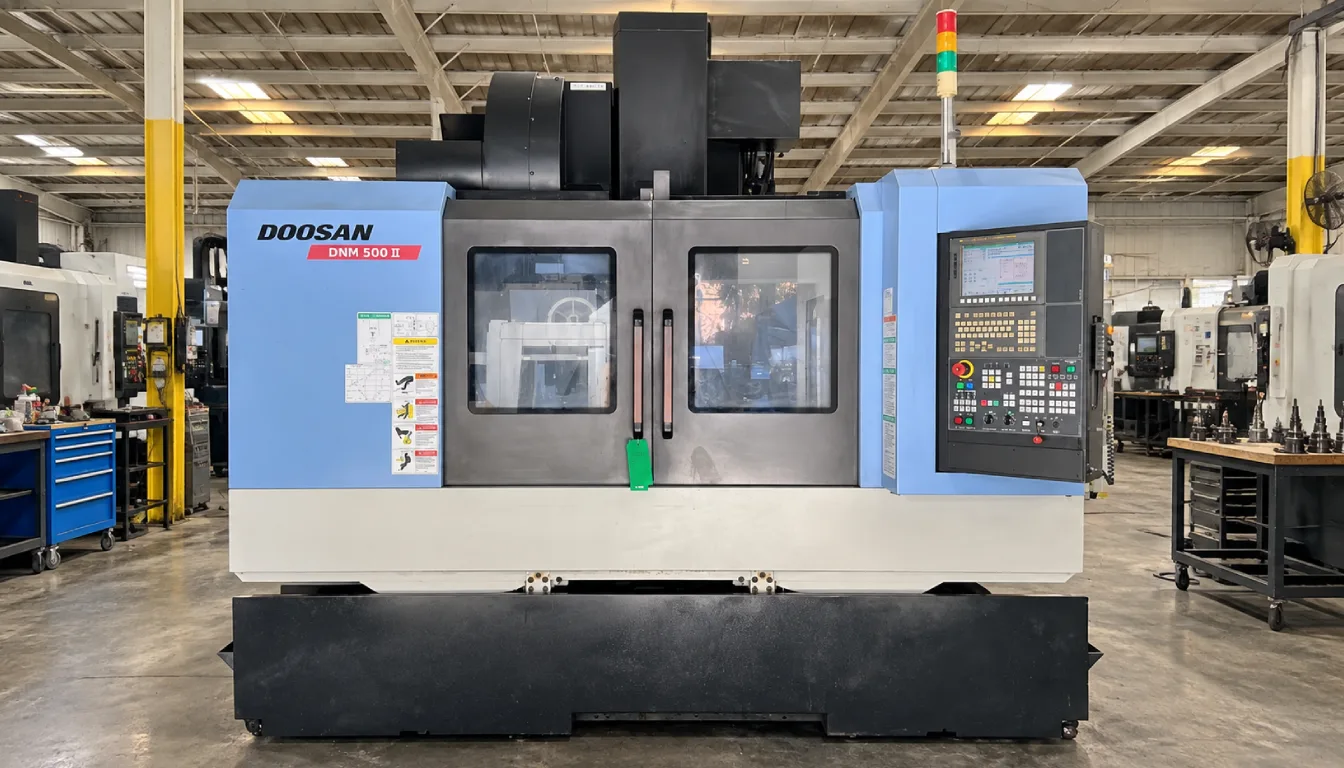
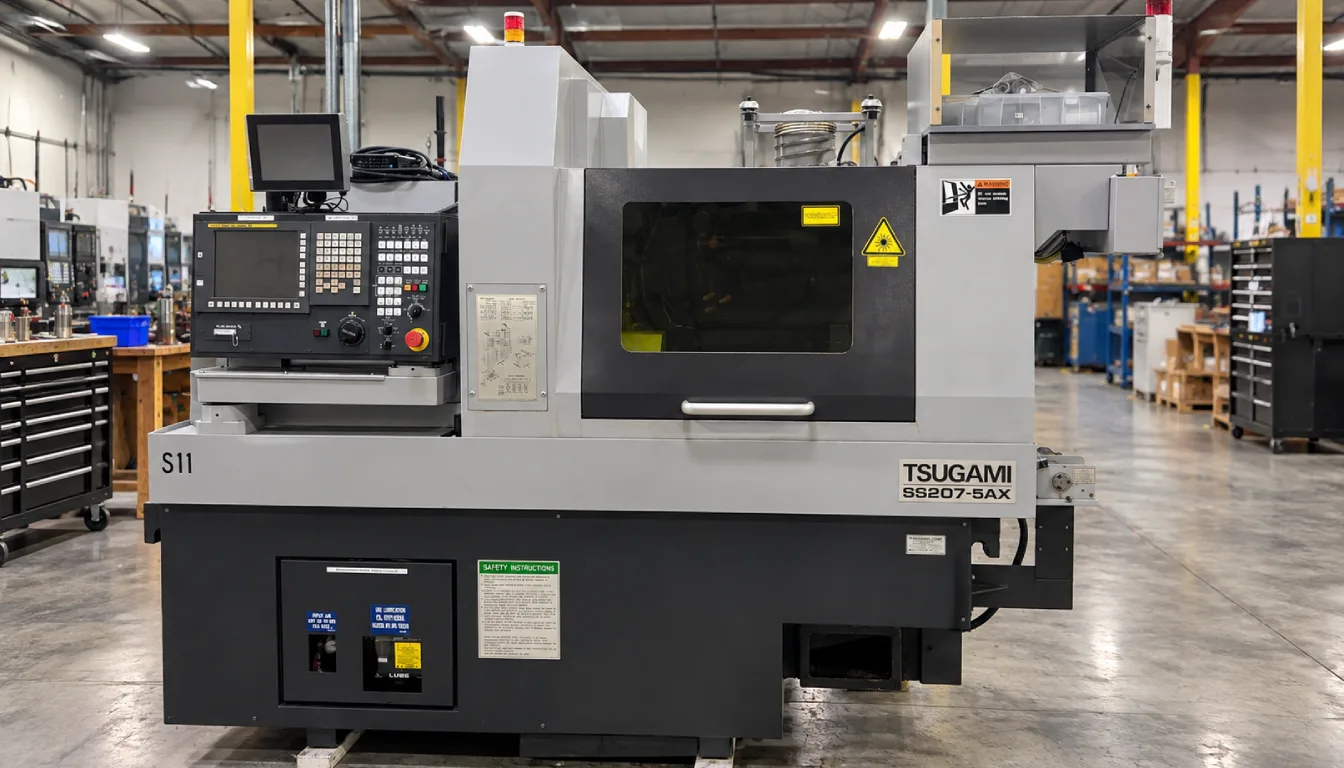
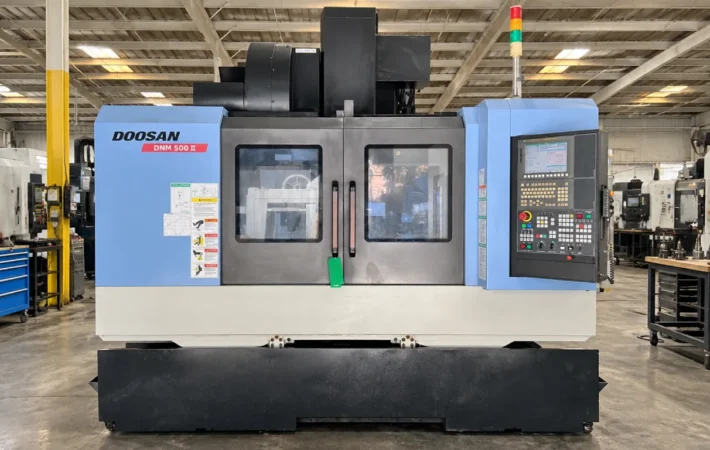
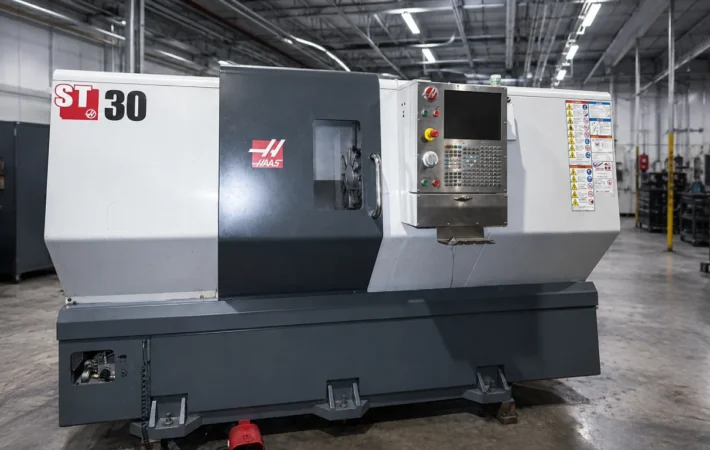
Used CNC machine in a professional industrial warehouse

Why Do Operating Hours Matter on a Used CNC Machine?

However, operating hours should be treated as one part of the evaluation, not as a complete measure of machine quality.

For example, two machines with similar operating hours may have very different histories:

  • One may have received regular preventive maintenance.
  • Another may have experienced demanding production conditions.
  • One may have undergone major component repairs.
  • Another may have been used intermittently.

This is why buyers should review hours alongside machine specifications, maintenance records, and current condition.

What Are Power-On Hours, Cycle Hours, and Spindle Hours?

Different CNC controls and machines may record different types of operating data. The exact terminology can vary by manufacturer and control system.

Power-On Hours

Power-on hours generally refer to the amount of time the machine control or electrical system has been powered on.

These hours may include periods when the machine is switched on but not actively cutting material.

For example, a machine may remain powered on during:

  • Setup
  • Programming
  • Tool changes
  • Inspection
  • Idle periods
  • Production preparation

Important: Power-on hours do not necessarily represent actual cutting time.

Cycle Hours

Cycle hours generally refer to the time associated with machining cycles or automatic operation, depending on how the control records the data.

They may provide a more specific view of machine usage than power-on hours, but the exact meaning should be confirmed for the particular control system.

Spindle Hours

Spindle hours generally refer to the time the spindle has been operating, depending on the machine’s control and hour-counter definitions.

Spindle hours can be useful when evaluating usage, but they should not be interpreted as a complete measurement of spindle condition.

A spindle with fewer recorded hours may still require inspection, while a machine with more hours may have a documented service history and a well-maintained spindle.

Why Does the Difference Matter?

A machine listing may show “hours,” but buyers should ask: 

Without understanding the counter, it is difficult to make a meaningful comparison.

Do Lower Operating Hours Always Mean a Better Used CNC Machine?

No. Lower hours do not automatically mean better condition.

Operating hours can be useful, but they should not be the only factor in a purchase decision.

Consider two hypothetical machines:

Machine A

  • Lower recorded hours
  • Limited maintenance documentation
  • Unknown previous usage
  • Condition not fully verified

Machine B

  • Higher recorded hours
  • Documented maintenance history
  • Major service records available
  • Condition information provided

In this situation, Machine B may deserve serious consideration despite having more hours.

The important question is not simply:

It is:

What Factors Should You Review Alongside CNC Machine Hours?

1. Maintenance History

Maintenance records can help explain how the machine has been cared for.

Depending on the equipment, relevant records may include:

  • Preventive maintenance
  • Spindle service or rebuilds
  • Ball screw replacement
  • Guideway service
  • Hydraulic system repairs
  • Electrical repairs
  • Control repairs
  • Coolant system maintenance

A documented maintenance history can provide useful context when evaluating operating hours.

2. Machine Condition

The current condition of the machine is more important than the hour counter alone.

Depending on the machine, buyers may want to understand the condition of:

  • Spindle
  • Ball screws
  • Guideways
  • Bearings
  • Turret
  • Tool changer
  • Hydraulic and pneumatic systems
  • Electrical components
  • CNC control

The relevant components depend on whether the machine is a machining center, CNC lathe, turning center, or another configuration.

3. Type of Previous Use

How a machine was used can influence wear and maintenance needs.

For example, the demands of heavy cutting, high-volume production, intermittent operation, and different materials may vary significantly.

Operating hours do not always explain:

  • Cutting intensity
  • Material being machined
  • Frequency of heavy cuts
  • Setup time
  • Production environment
  • Previous maintenance practices

That is why usage history can be valuable when available.

4. Machine Age and Specifications

Machine age and operating hours should be considered together.

A machine’s year, control, spindle specifications, travel, capacity, and installed options help buyers understand its configuration and intended capabilities.

However, original specifications do not guarantee current performance. The machine’s present condition still needs to be evaluated.

Questions to Ask About Used CNC Machine Operating Hours

Before purchasing, consider asking the seller or dealer:

  1. What type of hours are displayed on the machine?
  2. Are these power-on, cycle, or spindle hours?
  3. Can the hour-counter definition be confirmed from the control documentation?
  4. Are maintenance or service records available?
  5. Has the spindle been repaired or rebuilt?
  6. Have major components been replaced?
  7. Is the machine currently operational?
  8. Are videos, inspection details, or additional condition information available?
  9. What is included with the machine?
  10. Are there any known limitations or outstanding service needs?

These questions can help you evaluate the machine beyond a single number.

How Should Buyers Use Operating Hours When Comparing Machines?

A practical approach is to follow these steps:

Step 1: Review the hour-counter information.
Identify whether the listing provides power-on, cycle, or spindle hours.

Step 2: Understand what the hours represent.
If the counter definition is unclear, ask for clarification.

Step 3: Review maintenance and service history.
Look for records that provide context about the machine’s use and upkeep.

Step 4: Evaluate the machine’s current condition.
Consider available inspection information, operational details, and relevant component condition.

Step 5: Compare the machine with your production requirements.
A machine should meet your required capacity, specifications, tooling, and application needs.

Step 6: Consider the complete purchase decision.
Review price, condition, specifications, installation requirements, and available support—not just operating hours.

Summary

Used CNC machine operating hours are useful, but they are not the complete measure of a machine’s value or condition.

Power-on hours, cycle hours, and spindle hours can mean different things, and buyers should understand what the displayed counter actually measures.

The best evaluation combines operating hours with maintenance history, machine condition, specifications, and previous usage information.

If you are exploring used CNC machinery, review the available machine details carefully and ask questions about the equipment before making a purchase decision.

Explore MachineStation’s available used CNC machines and review machine-specific information to find equipment that may fit your production needs.

FAQs:

1. What are operating hours on a used CNC machine?

Operating hours indicate how much time a machine or one of its systems has been running. Depending on the control, the counter may show power-on, cycle, or spindle hours.

Power-on hours generally measure how long the machine has been powered on, while spindle hours generally relate to spindle operation. The exact definitions depend on the machine and control system.

No. Lower hours do not automatically mean better condition. Maintenance history, previous usage, component condition, and current operational status are also important.

Review maintenance records, machine condition, spindle condition, control system, specifications, previous usage, and available inspection information.

No. Operating hours alone cannot accurately determine remaining machine life. Different components wear differently, and maintenance and usage conditions can significantly affect equipment condition.

Back to Top Back To Top
Select Language
Product has been added to your cart
Max · MachineStation
Looking for a machine? I can check live inventory for you. 👋