Home / Blogs / What Does a Used CNC Machine Cost? Understanding the Factors Behind the Price

What Does a Used CNC Machine Cost? Understanding the Factors Behind the Price

If you are considering buying a used CNC machine, one of the first questions you may have is: How much does a used CNC machine cost?

The answer is not a single fixed number. Used CNC machine prices can vary significantly depending on the machine type, age, specifications, condition, features, and market demand.

Two machines that look similar may have very different prices because their capabilities, configurations, and maintenance histories are not the same.

Understanding these factors can help you evaluate a machine’s asking price and determine whether it fits your production requirements and budget.
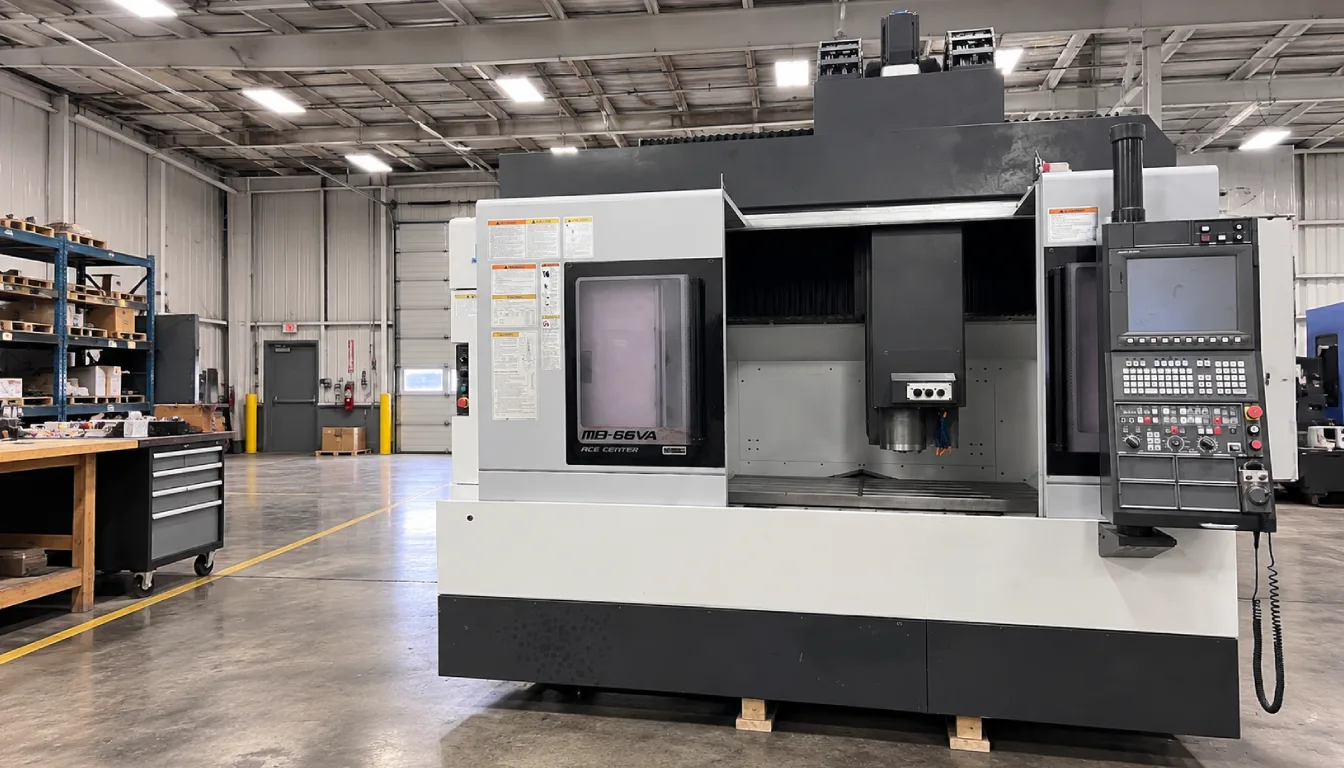
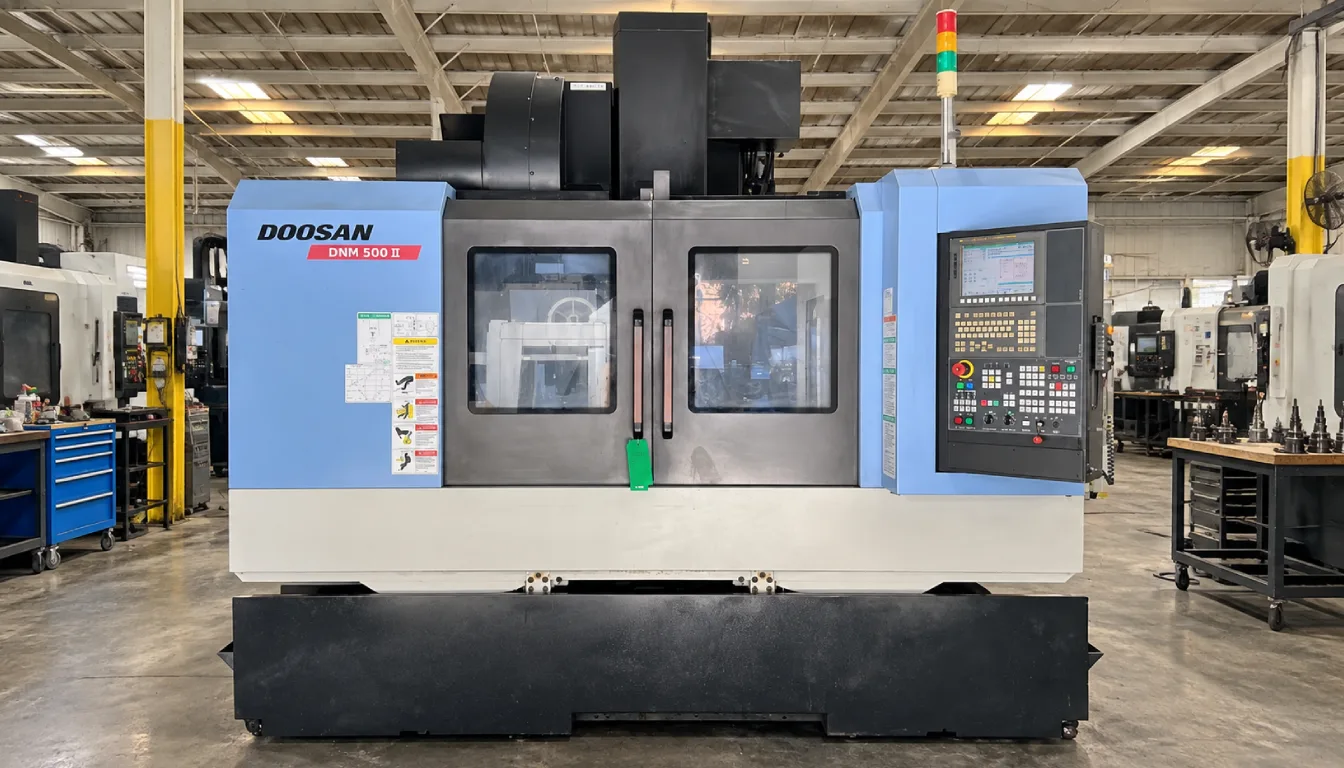
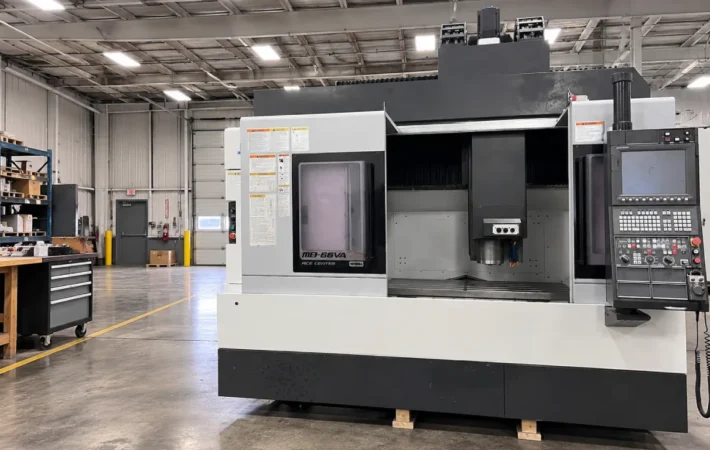
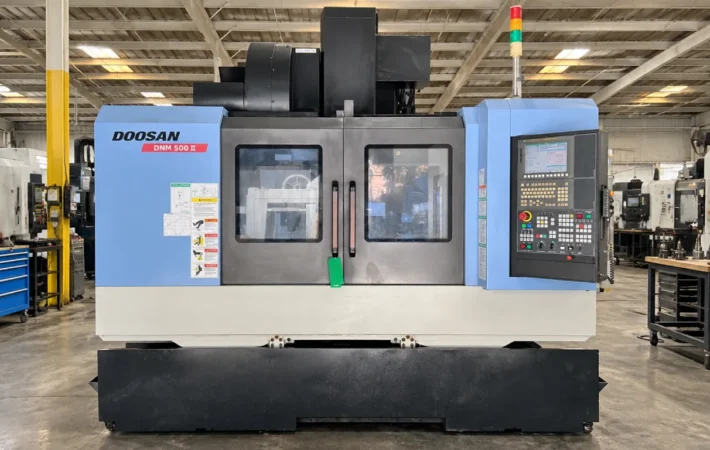
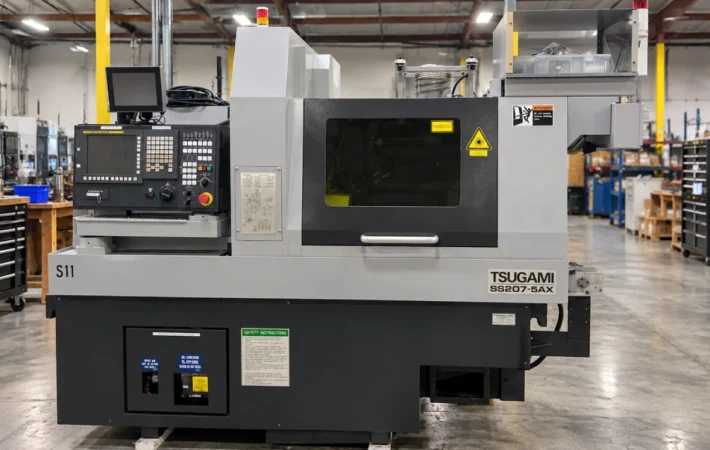
Used CNC machine in a professional industrial warehouse

Why Do Used CNC Machine Prices Vary?

Unlike new machines, used CNC equipment comes with a history of previous ownership and use. Its price reflects more than the original purchase cost.

Factors such as machine condition, operating hours, installed options, and current demand can influence the value of a particular machine.

For example, a used CNC machining center with a suitable control, larger work envelope, and desirable options may have a different market price from an older machine with a basic configuration.

The goal is not simply to find the lowest price. It is to understand what you are getting for the price.

1. Machine Type and Configuration

The type of CNC machine is one of the first factors that affects cost.

Common categories include:

  • Vertical machining centers
  • Horizontal machining centers
  • CNC lathes
  • CNC turning centers
  • 5-axis CNC machines
  • CNC grinders
  • Other specialized machine tools

Each machine type is designed for different applications, and prices can vary based on its capabilities and configuration.

Even within the same category, machines with different travel ranges, spindle specifications, controls, and production features may have different values.

When researching used CNC machine cost, start by identifying the machine type and configuration that match your intended work.

2. Machine Age and Model

Machine age can influence pricing, but it should not be considered in isolation.

Older machines may have a lower asking price, while newer used machines may retain more of their original technology and features. However, age alone does not determine a machine’s condition or usefulness.

Consider:

  • Original manufacturing year
  • Model and configuration
  • Control generation
  • Available technology
  • Previous upgrades
  • Parts and service considerations

A machine’s model and configuration can be more informative than its age alone when evaluating whether the price makes sense for your application.

3. Condition and Maintenance History

The condition of a used CNC machine is one of the most important factors behind its price.

A machine that has been maintained properly may have a different value from one that requires significant repairs or service.

Buyers should consider available information about:

  • Spindle condition
  • Ball screws and guideways
  • Tool changer
  • Turret, where applicable
  • CNC control
  • Hydraulic and pneumatic systems
  • Electrical components
  • Maintenance and service history

Maintenance records, inspection information, and operational details can help provide context for the asking price.

A machine’s price should be evaluated alongside its current condition—not just its age or operating hours.

4. Specifications and Production Capacity

The specifications of a CNC machine directly affect what it can produce.

Important specifications may include:

  • X, Y, and Z-axis travel
  • Table size
  • Maximum table load
  • Spindle speed
  • Spindle power
  • Spindle taper
  • Maximum turning diameter
  • Maximum turning length
  • Tool changer capacity

For example, a machine with a larger work envelope or a configuration suited to a specific production requirement may have a different market value from a smaller or less-equipped machine.

Before evaluating a used CNC machine price, compare the specifications with your actual part dimensions, materials, tooling, and production needs.

5. Installed Features and Options

Additional features can influence the value of used CNC equipment.

Depending on the machine, these may include:

  • Through-spindle coolant
  • Chip conveyor
  • Probing system
  • Rotary table
  • Additional-axis options
  • Live tooling
  • Bar feeder
  • High-pressure coolant
  • Specialized workholding equipment

These options may reduce the need for additional equipment or modifications, depending on your application.

However, buyers should confirm whether an option is installed, operational, and included in the sale. A feature mentioned in a general model description may not be present on every machine of that model.

6. Operating Hours and Previous Usage

Operating hours can provide useful information, but they do not tell the complete story of a machine’s value.

Depending on the control, a listing may show:

  • Power-on hours
  • Cycle hours
  • Spindle hours

These counters can have different meanings.

Previous usage also matters. A machine used for demanding production may have experienced different operating conditions from one used intermittently.

When evaluating used CNC machine prices, review operating hours together with maintenance records, machine condition, and available usage information.

Lower hours do not automatically guarantee better condition, and higher hours do not automatically mean a machine is unsuitable.

7. Market Demand and Availability

Market demand can also influence the price of used CNC machines.

Certain machine types, configurations, controls, and specifications may attract more buyers depending on current manufacturing requirements.

Availability can also affect pricing. A machine with a specific configuration that is difficult to source may be priced differently from equipment that is more readily available.

Market conditions change, so buyers should evaluate the price of a specific machine based on its actual specifications, condition, and current availability rather than relying only on general price assumptions.

What Should You Consider Beyond the Purchase Price?

The purchase price is important, but it may not represent the complete cost of acquiring and installing a used CNC machine.

Depending on the equipment and your facility, additional costs may include:

  • Transportation
  • Rigging
  • Installation
  • Electrical preparation
  • Tooling
  • Workholding
  • Coolant and accessories
  • Repairs or maintenance
  • Operator training, where needed

Before purchasing, consider the total cost of bringing the machine into your production environment.

How to Evaluate a Used CNC Machine Price

A practical evaluation process can help you make a more informed decision:

  1. Identify the machine type and application. Determine what work the machine needs to perform.
  2. Review the specifications. Check travel, capacity, spindle, control, and installed options.
  3. Evaluate condition and history. Review maintenance records, operating hours, and available inspection information.
  4. Compare the configuration with your needs. A lower-priced machine may not be suitable if it lacks required capabilities.
  5. Consider additional costs. Include transportation, installation, tooling, and potential service requirements.
  6. Ask for clarification. Request more information about the machine’s condition, specifications, and included equipment before purchasing.

Summary

Used CNC machine cost depends on more than age or operating hours. Machine type, configuration, specifications, condition, maintenance history, installed features, and market demand all contribute to the price.

When evaluating used CNC machine prices, focus on whether the machine’s capabilities and condition match your production requirements.

If you are exploring used CNC equipment, reviewing machine-specific details can help you understand what you are paying for and make a more informed purchasing decision.

Explore MachineStation’s available used CNC machines to review equipment that may fit your production needs.

FAQs:

1. How much does a used CNC machine cost?

Used CNC machine cost varies depending on the machine type, age, specifications, condition, installed options, and market demand. There is no single price that applies to every used CNC machine.

Important factors include machine type, model, age, condition, maintenance history, operating hours, specifications, installed features, and current market demand.

Age can influence price, but it is not the only factor. Specifications, condition, maintenance history, control system, and installed options should also be considered.

Yes, operating hours can provide useful usage information. However, they should be evaluated alongside maintenance history, previous usage, and current machine condition.

Yes. Depending on the machine and facility, additional costs may include transportation, rigging, installation, electrical preparation, tooling, workholding, and service.

Back to Top
Select Language
Product has been added to your cart
Max · MachineStation
Looking for a machine? I can check live inventory for you. 👋