Home / Blogs / Smart CNC Machines: How Artificial Intelligence Improves Accuracy

Smart CNC Machines: How Artificial Intelligence Improves Accuracy

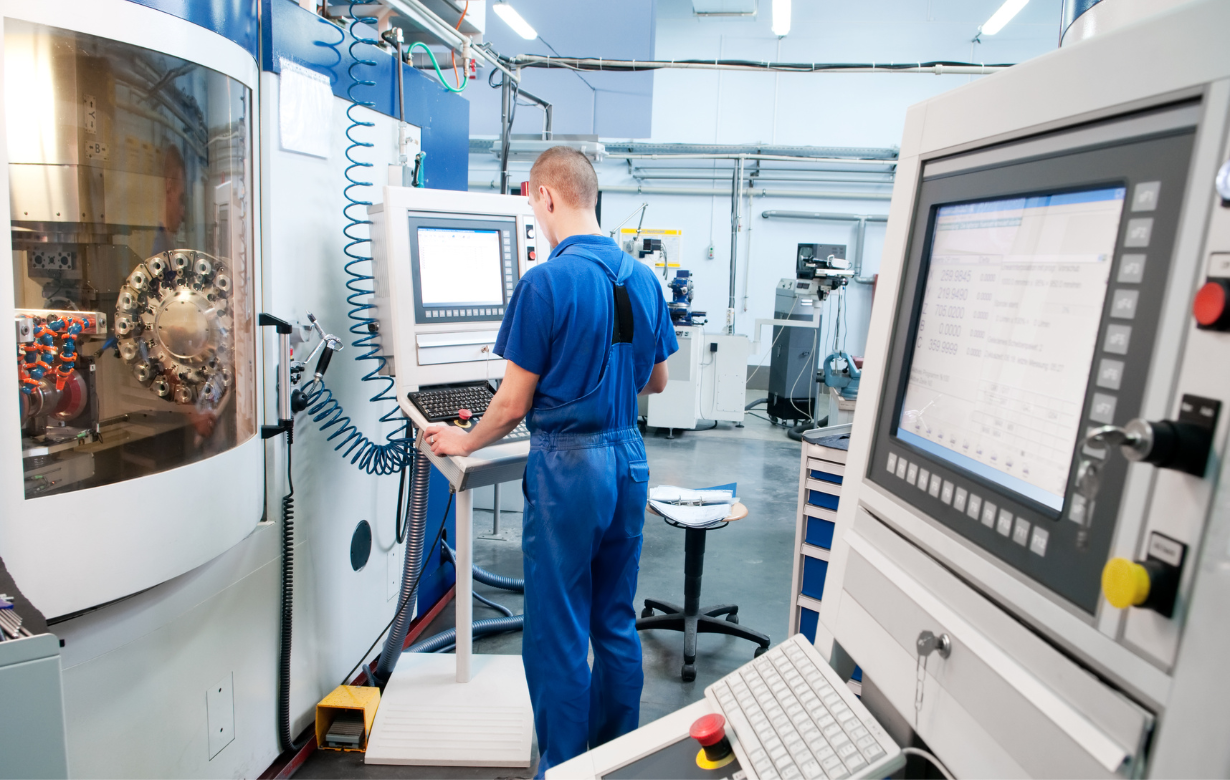
CNC machines are not just old machinery that needs human intervention to make every kind of move. In current times,  AI has changed the whole scenario. Automation is helping in turning CNC machines into smart CNC machines. Modern CNCs with AI capabilities can perform a significant amount of manufacturing work without requiring human intervention. However, that’s not the end; artificial intelligence is also enhancing the precision machining capabilities of CNC machines, making it much easier for shops to achieve accuracy. There are different smart machine features that help in improving accuracy during machining. So, if you are curious about these features, then read till the end.
How do Smart CNC Machines’ Features Help in Improving CNC Machining Accuracy?

1. AI Based Tool Wear Detection:

Tool wear is one of the major reasons behind the deflection of accuracy during CNC machining. An AI powered CNC machine will be able to detect wear beforehand and help in the reduction of deflected machining works. The automation systems will monitor indicators such as: 

  • Spindle load changes
  • Acoustic signals
  • Vibration signatures

The AI will gather and compare the live data, and will help you detect abnormal wear patterns.

2. Adaptive Feed and Speed Adjustments:

In traditional CNC machining programs, machining happens at fixed speeds and feed rates. But now, artificially intelligent CNC machining systems can help in adjusting these values based on the cutting conditions. Here are the common inputs that AI checks:

  • Tool engagement changes
  • Thermal buildup
  • Material hardness variation

These systems make micro adjustments while the manufacturing work continues.

3. Thermal Compensation Through AI Models:

Thermal deformation is one of the most common styles of loss in accuracy during manufacturing work. Machine frame, spindle, and ball screws all expand as the temperature rises, and that causes thermal deformation. AI based thermal compensation systems use:

  • Historical manufacturing data
  • Different sensors across the machine components for temperature
  • Models for predictive thermal growth

This automation system anticipates the thermal movement and applies the offsets proactively.

4. Real Time Process Monitoring:

Smart CNC machine features can do real-time monitoring, which helps in evaluating machine stability during manufacturing. AI systems analyze different data streams, such as: 

  • Spindle torque
  • Axis load
  • Vibration of tools

When the AI sensors see any deflection from the expected pattern of behaviour, the system will be able to alert the operators.

5. Smarter collision and Error Prevention:

In some scenarios, collisions also cause loss of precision during machining work. Artificial intelligence in CNC machining can help in the detection of collisions beforehand. These smart machines can detect: 

  • Tool engagement anomalies
  • Fixture interference patterns
  • Unusual axis deceleration

Instead of solely relying on alarms, AI improves CNC machining accuracy by identifying risk patterns beforehand. 

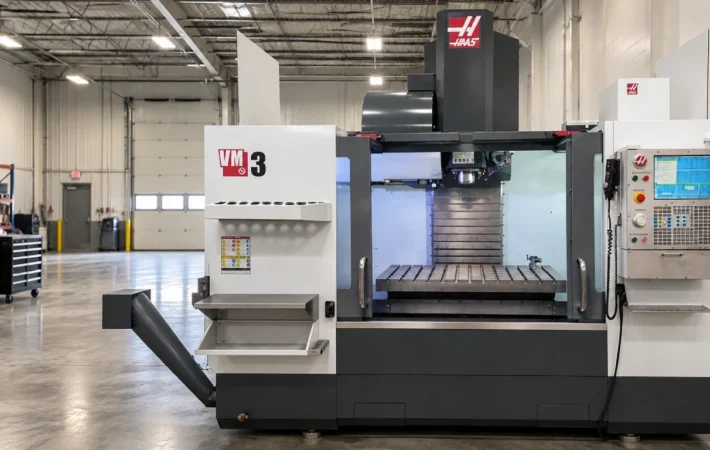
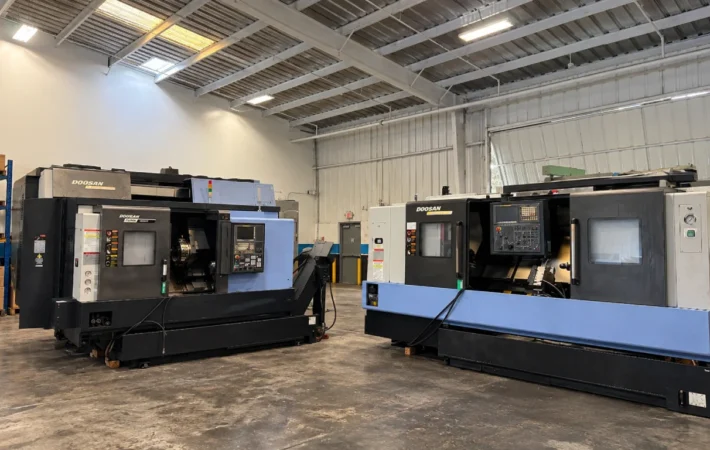
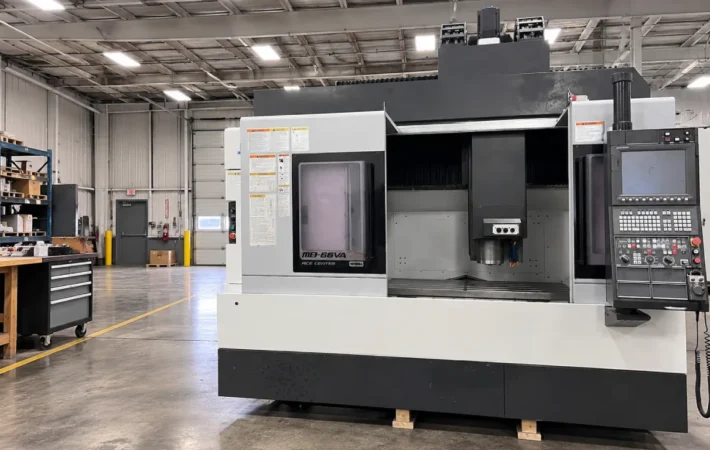
Now, if you are new to the CNC machining industry and are looking for a used CNC machine for your manufacturing shop, then check MachineStation’s collection.

Conclusion: 

CNC machining is changing a lot with AI. Doing CNC machining with proper accuracy is getting much easier with the help of these artificial intelligence systems. So, in modern times, one must try to adapt AI in their machining journey to make sure that they can actively take part in precision machining works.

FAQs:

1. How does AI help improve machining accuracy?

AI improves accuracy by monitoring factors that commonly cause variation, such as tool wear, thermal expansion, and load fluctuations.

Smart CNC machines are useful in both high-volume and low-volume environments.

Many older CNC machines can be retrofitted with sensors and external AI monitoring systems. While retrofits do not improve the machine’s mechanical tolerances, they provide better visibility into process stability and accuracy-related issues.

Select Language
Product has been added to your cart