Home / Blogs / How to Reduce Scrap Rates in CNC Machining Operations?

How to Reduce Scrap Rates in CNC Machining Operations?

A hidden factor that increases the cost of CNC machining shops and decreases their profit margins is the scrap rate. In the crowd of labour costs, machine maintenance costs, and high material costs, this factor often goes unnoticed. However, shops can get rid of these issues very easily by following the right strategies. Scrap leads to different problems like more machining time, loss of raw material, more labour hours, and damage to cutting tools. So, if you want to reduce scrap rates in CNC machining, then read this blog till the end to know the best strategies.
What are the Top strategies for CNC Scrap Reduction?

1. Standardize Setup Procedures Across Machines:

One of the major reasons behind scrap is inconsistent setups. Consistent setups help in the reduction of scrap by eliminating variability and ensuring that the machine, workholding, and tools are aligned identically for every part. 

Even experienced operators may:

  • Misalign fixtures
  • Set incorrect work offsets
  • Forget probe calibration
  • Load wrong tool numbers

To reduce variability:

  • Standardize fixture locations
  • Use documented offset sheets
  • Store repeat job setup data
  • Create written setup checklists

2. Verify Tool Offsets:

Incorrect tool length or diameter offsets often cause immediate scrap. So, before starting the production works:

  • Use single block mode
  • Check tool wear compensation values
  • Dry run the program
  • Verify tool height and diameter offsets

Small mistakes multiply fast in high volume batch production work. So, one of the most important methods to reduce machining waste is verifying tool offsets.

3. Use Material Specific Tooling:

One of the best ways to reduce scrap rates in CNC machining is by selecting the right cutting tools for every material. Generic tools often produce poor finishes, especially for tough materials like inconel, titanium, and composites. 

So, in modern times, tool supplier companies offer material specific geometries and coatings which not only help in improving surface quality and reducing scrap, but also help to extend tool life. 

4. Optimize Cutting Parameters:

Incorrect speeds and feeds often increase scrap risk. There are many other problems created by incorrect parameters, like:

  • Built up edge
  • Thermal expansion
  • Tool breakage
  • Tool chatter

Instead of guessing the correct feed rate for your machine:

  • Use stable chip loads
  • Validate the depth of cut
  • Follow the manufacturer’s cutting data
  • Adjust RPM based on material

5. Reduce Human Data Entry Errors:

One of the major steps one needs to take to reduce scrap rates in CNC machining is the reduction of manual errors in data entry. Manual input mistake is one of the major silent reasons behind the increasing scrap. For example:

  • Incorrect tool offsets
  • Misread blueprint dimensions
  • Wrong program number
  • Incorrect material selection

To minimize the risk:

  • Lock proven programs
  • Digitize setup sheets
  • Use barcode job tracking
  • Implement job travelers

Standardization helps in the reduction of variability, helping in further CNC scrap reduction. 

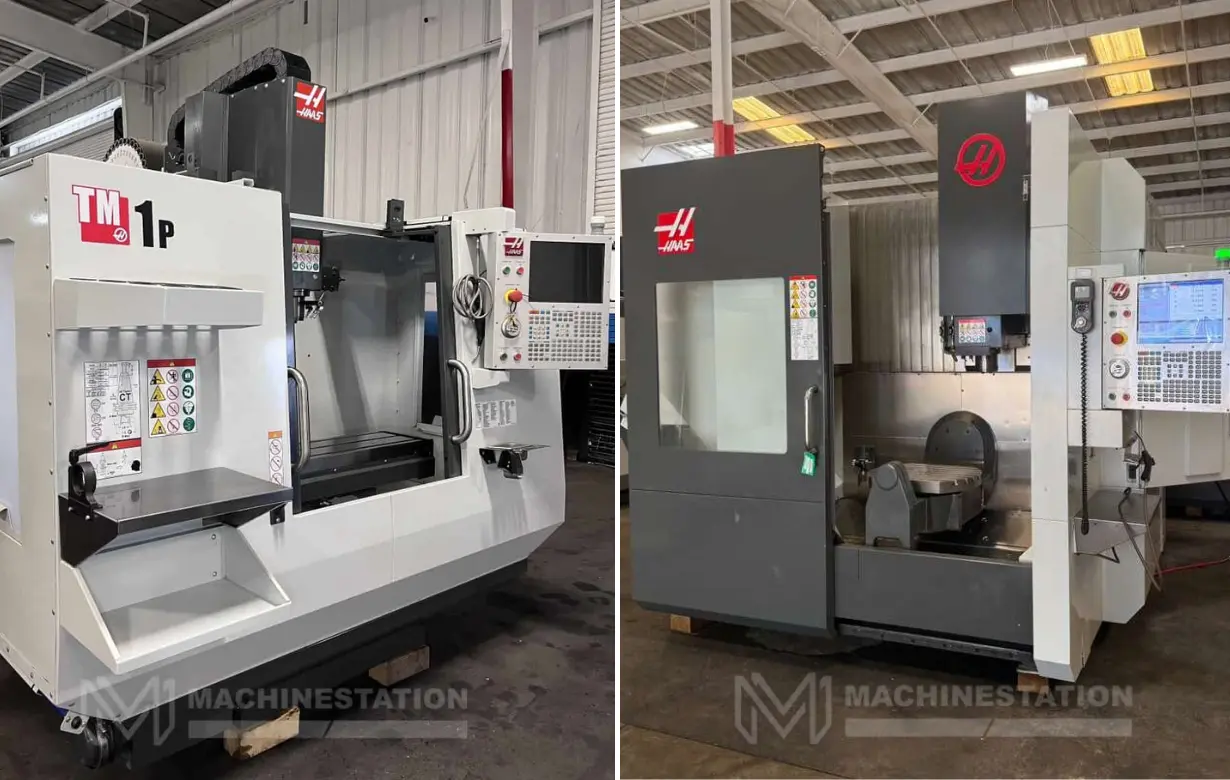
Also, if you are looking for CNC machines to do complex machining work, then you can check Machinestation’s collection of multi axis CNC machines

Conclusion: 

Scrap rate is a hidden factor that is behind your company’s low margin and increasing costs. So every machining shop owner should be aware of it and take the necessary measures to ensure a reduction of scrap rate in their CNC machining works. 

FAQs:

1. Does operator experience significantly affect scrap rate?

Yes, operators who understand tooling behavior, tolerances, and process stability are more likely to catch issues early.

No system completely eliminates scrap, but in-process probing can significantly reduce dimensional variation and detect tool breakage early.

Yes, incorrect coolant concentration or contamination can lead to inconsistent finishes and dimensional instability.

Select Language
Product has been added to your cart