Home / Blogs / Role of Machine Learning in CNC Programming and Automation

Role of Machine Learning in CNC Programming and Automation

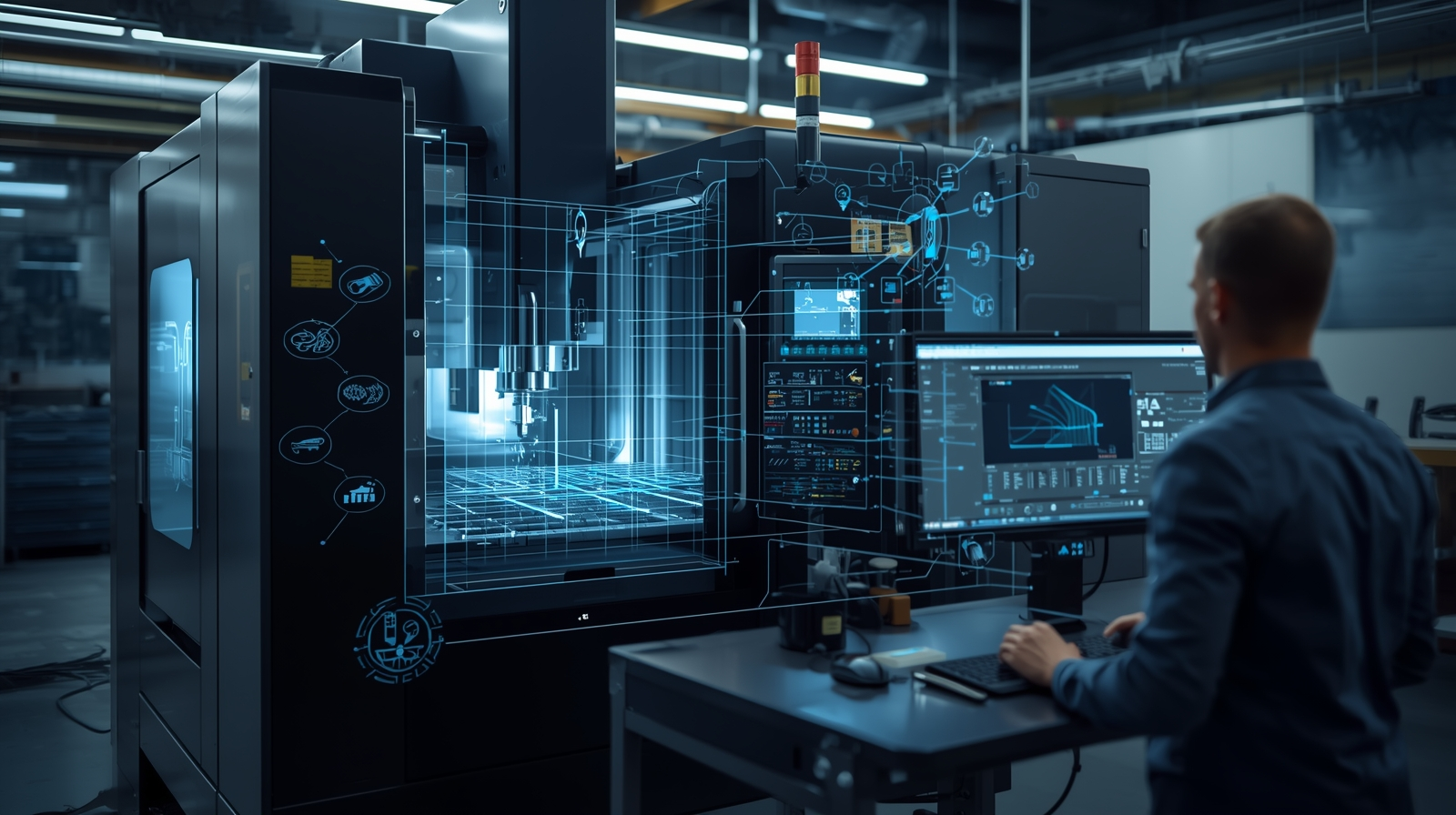
Machine learning and automation are the new buzzwords that are worrying every machine shop owner across the world. The reason behind that is that these technologies are changing how the whole machining world operates. Machine learning is playing a huge role in changing how CNC machinists approach programming and process control. This technology is transforming CNC machines into proactive and self-optimizing machines, rather than simply obeying the G-code entered by the operator. So, to understand the role of machine learning in CNC programming and automation, read this blog till the end.
Role of Machine Learning in CNC Programming and Automation

What is the Role of Machine Learning in CNC Programming and Automation?

1. Smarter Toolpath Optimization:

Machine learning is now being incorporated into modern CAM systems for analyzing historical machining data. So, instead of fully relying on fixed parameters, the ML algorithms:

  • Monitor patterns of vibration
  • Optimize tool engagement angles
  • Analyze cutting forces
  • Adjust feed rates dynamically

For used CNC machine buyers, this matters because:

  • Older machines can benefit when paired with advanced CAM softwares
  • Programming becomes more data driven over trail and error based
  • Improvement in toolpath efficiency reduces cycle time without mechanical modifications

2. Predictive Maintenance Integration:

One of the major problems CNC machining shops face is unexpected downtime, which disrupts production schedules. Machine learning models analyze historical machine data to predict potential failures. Parameters tracked include:

  • Axis backlash changes
  • Servo motor performance
  • Spindle vibration trends
  • Lubrication system behaviour

Machine learning in CNC automation helps trigger an alert before failure occurs. 

For used CNC buyers:

  • Retrofitting with IoT sensors can extend equipment lifecycle planning
  • Reviewing machine maintenance logs becomes even more valuable

3. Adaptive Feed Rate Controls:

Automated CNC programming using machine learning enables adaptive machining strategies. Instead of running constant feeds and speeds, the system adjusts parameters based on real time feedback. Sensors collect data on:

  • Torque variation
  • Cutting pressure
  • Temperature
  • Spindle load

For used CNC machine users:

  • Adaptive control helps reduce tool wears
  • It improves process stability during long production runs

4. Scrap Reduction Through Pattern Recognition:

Machine learning helps in identifying subtle patterns that can lead to defects. For example:

  • Surface finish variation
  • Tool wear patterns linked to batches of materials
  • Dimensional drift during long production runs

ML systems detect anomalies early rather than discovering errors during final inspection. Benefits for CNC shops:

  • Better part quality consistency
  • Better repeatability
  • Lesser material waste

5. Automated CNC Code Generation:

For traditional machining methods, G-code programming required manual input or a CAM-generated source. Machine learning now supports:

  • Automatic selection of machining strategies
  • Recommended cutting parameters based on the material database
  • Feature recognition from CAD files

Different platforms have developed systems that incorporate intelligent programming assistance within their CNC controls. These smart CNC automation systems help a lot of manufacturers with ease of machining. 

6. Real Time Quality Monitoring:

Last but not least, in traditional CNC machining methods, quality control depends on post production inspection. Machine learning in CNC programming enables in process monitoring. Systems analyze:

  • Vibration signatures
  • Temperature fluctuations
  • Cutting sound frequencies

Deviations from baseline data trigger warnings.

Also, if you are looking for used CNC machines, check the collection of MachineStation. 

Conclusion: 

CNC machining is changing with the help of automation and machine learning. CNC machines are now getting better, and the process is getting more efficient. Machine learning is helping the operators to predict issues, work on them, and improve the overall machining experience. 

FAQs:

1. How does machine learning improve CNC programming?

Machine learning improves CNC programming by analyzing historical machining data and identifying patterns in tool wear, cutting forces, and cycle times. Instead of relying entirely on fixed parameters, programmers can use data-driven insights to refine toolpaths and machining strategies. 

Many used CNC machines can support machine learning applications if they allow connectivity or can be retrofitted with sensors. Compatibility depends on the control system, available data access, and integration capabilities.

Common data inputs include spindle load, vibration levels, axis movement trends, temperature variations, and cycle times. Inspection results and tool life data are also valuable. 

Search for products

Select Language
Product has been added to your cart