Home / Blogs / CNC Skills Every Machinist Needs in 2026 and Beyond

CNC Skills Every Machinist Needs in 2026 and Beyond

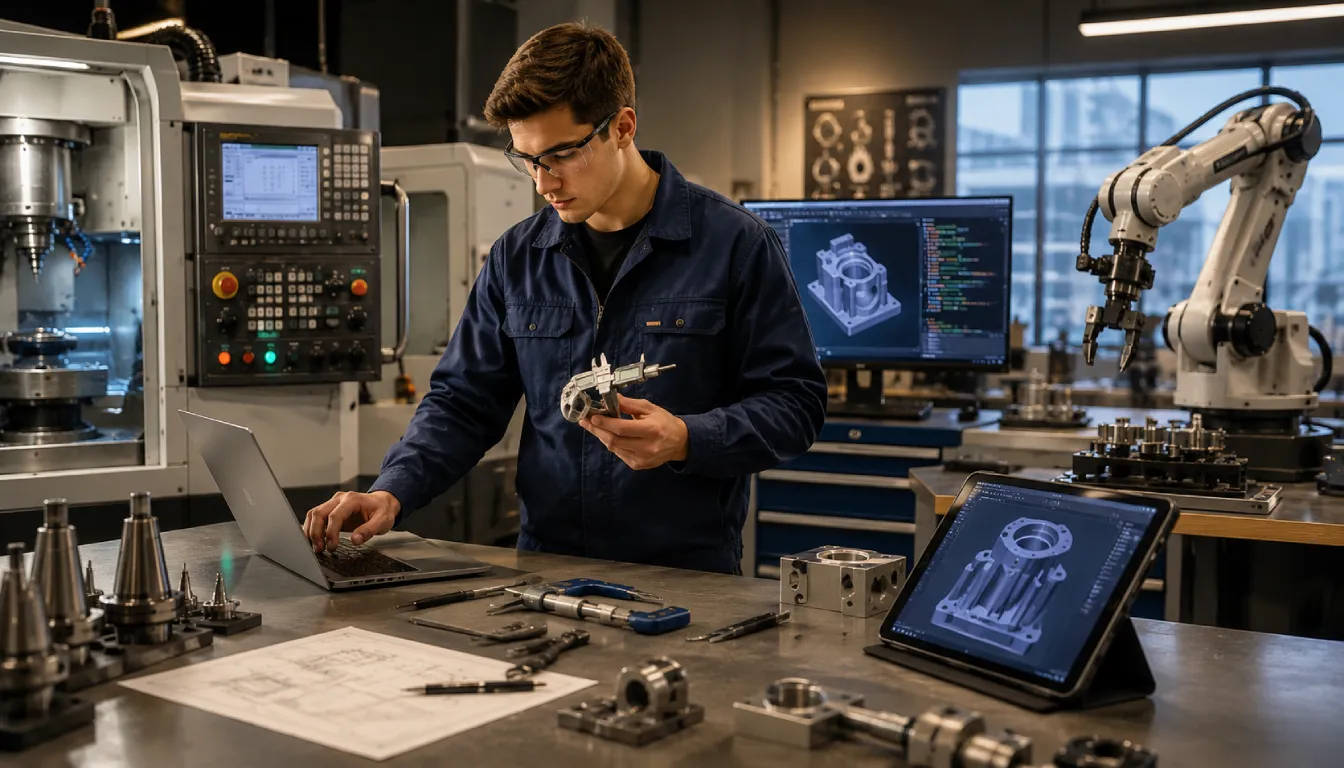
The CNC machining industry is evolving at a rapid rate, which is leading to many machinists feeling a lack of skills, while some are struggling to keep up with new machining techniques and automation methods. The solution to these problems is for people to upskill. But then comes the question of what CNC machinists skills are in demand in 2026? Let’s find that out.
CNC Skills Every Machinist Needs in 2026 and Beyond

How Do Different Coolant Delivery Methods in CNC Machines Affect Tool Life and Finish?

1. CAD/CAM Software Familiarity:

Modern manufacturing increasingly depends on different CAD/CAM software. So, a machinist should be comfortable with different software, like Mastercam, Fusion 360, and other similar platforms. This skill mainly includes:

  • Importing and modifying CAD models
  • Simulating machining operations
  • Generating toolpaths

2. Tooling Knowledge and Selection:

One of the most important CNC machinist skills is to choose the right cutting tool, which a machinist should learn to get the desired machining outcomes. Machinists should understand:

  • Tool geometry
  • Tool materials (carbide, HSS, coated tools)
  • Application specific tooling

In used CNC environments, tooling compatibility becomes even more critical as machines might have limitations in spindle speed or rigidity.

3. Ability to Interpret Technical Drawings:

One of the core requirements for a CNC machinist is that they need to be capable of reading blueprints. So, a machinist should understand:

  • Material specifications
  • Geometric dimensioning and tolerancing
  • Surface finish requirements

This is one of the important advanced machining skills that helps ensure parts are machined according to design intent, especially when documentation may vary across projects. 

4. Understanding of Cutting Parameters:

One of the most important manufacturing skills of the future is to have a proper knowledge of different cutting parameters. Feeds, speeds, and depth of cut must be adjusted based on material and tooling. A machinist should be able to:

  • Calculate appropriate parameters
  • Adjust settings during machining
  • Respond to tool wear or unexpected behaviour

5. Machine Setup and Workholding Skills:

A skill of CNC machinists that helps in improving overall productivity is knowing proper setup efficiency. CNC machinists need to:

  • Secure workpieces properly
  • Minimize setup time between jobs
  • Align fixtures correctly

Proper workholding helps in reducing vibration and improving consistency, which is particularly important when working with pre-owned machines. 

6. Data Interpretation and Digital Monitoring:

Modern CNC machines generate a large amount of data. So, a machinist should be able to interpret:

  • Tool usage data
  • Production efficiency reports
  • Machine performance metrics

This helps in making informed decisions about machine utilization and maintenance planning. 

7. Multi Axis Machining Knowledge:

In modern times, manufacturing shops often prefer multi-axis machines like 5-axis ones over the 3-axis CNC machines. 3-axis machines are no longer the limit. Machinist increasingly works with:

  • Complex geometries
  • 4-axis and 5-axis machines
  • Simultaneous multi axis toolpaths

So, one skill that should definitely be on your machinist skill list is multi axis machining knowledge. 

8. Knowledge of Material and Machining Behaviour:

Different materials respond differently during machining work. Machinists must understand different things, like:

  • Cutting characteristics of metals and alloys
  • Heat generation and dissipation
  • Chip formation

This knowledge helps in selecting the right approach for each machining job. 

9. Understanding Industry 4.0 Concepts:

There are different changes happening in the manufacturing world, and adapting to different Industry 4.0 ideas and practices is becoming highly important for a CNC machinist in 2026. Digital manufacturing is becoming more interconnected. So, a machinist should be aware of:

  • IoT-enabled machines
  • Real time monitoring systems
  • Smart factories

10. Continuous Learning and Skill Upgradation:

Last but not least, one of the most important skills is to continuously acquire new skills. So every machinist should actively:

  • Learn new software tools
  • Adapt to new machine technologies
  • Learning new and advanced CNC programming skills
  • Stay updated with machining techniques

This approach ensures long term relevance in history. 

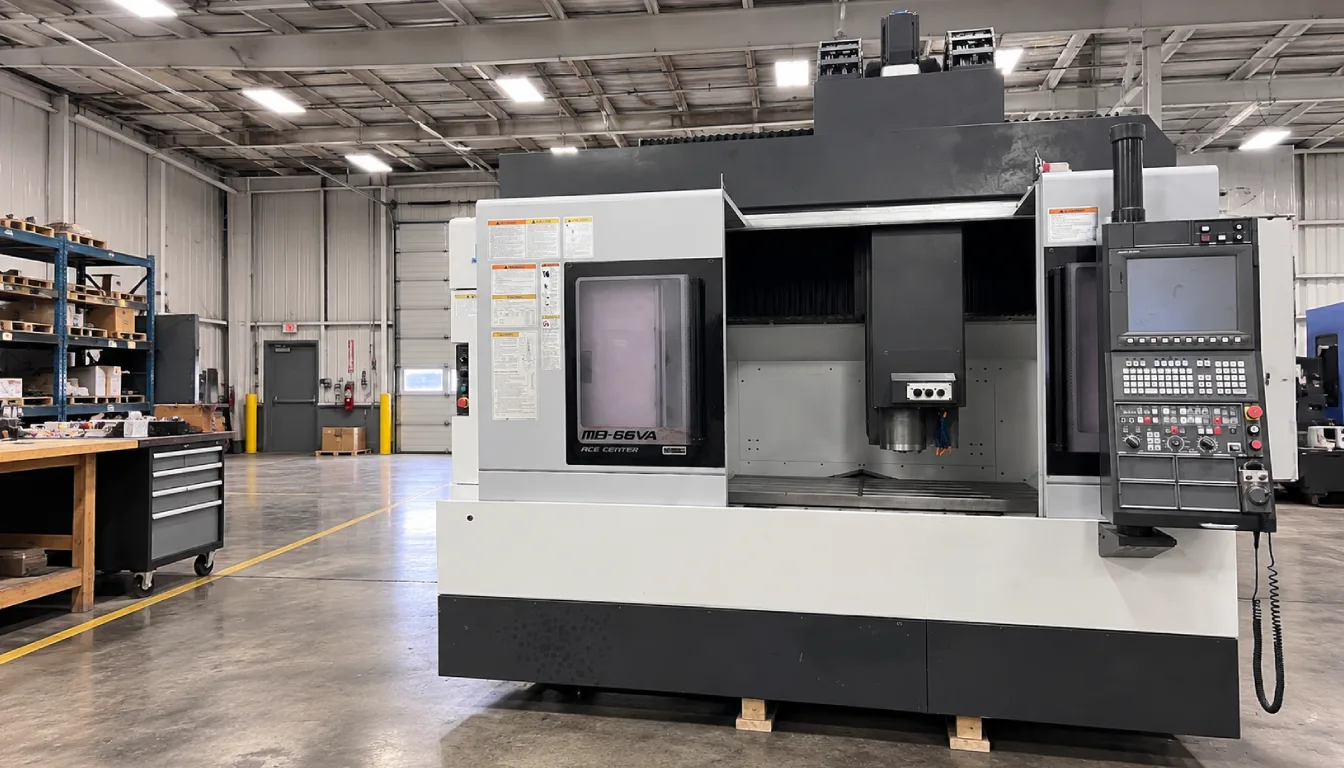
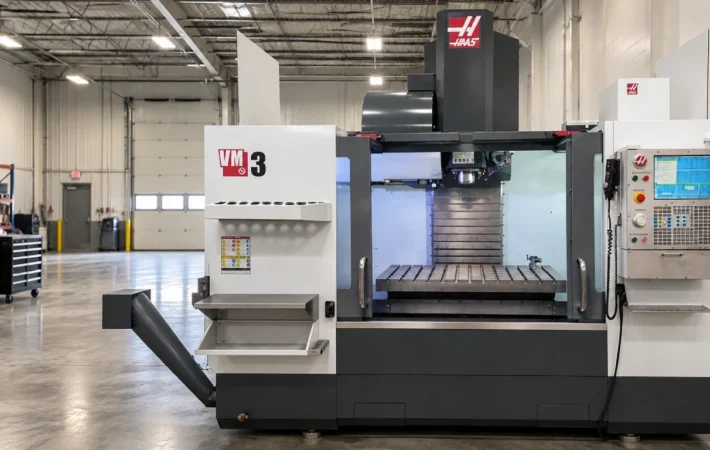
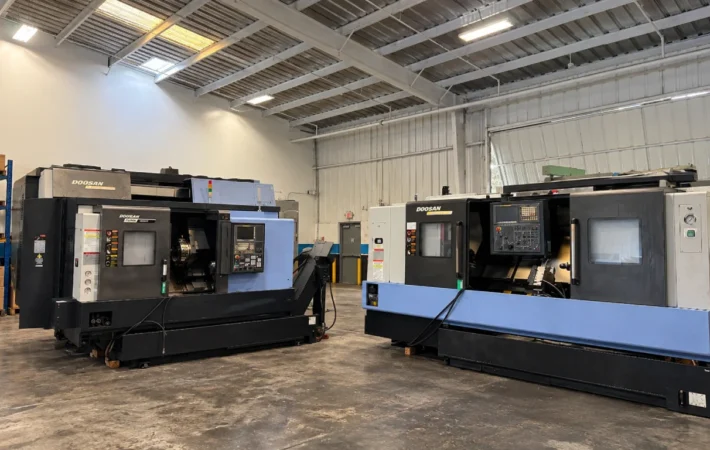
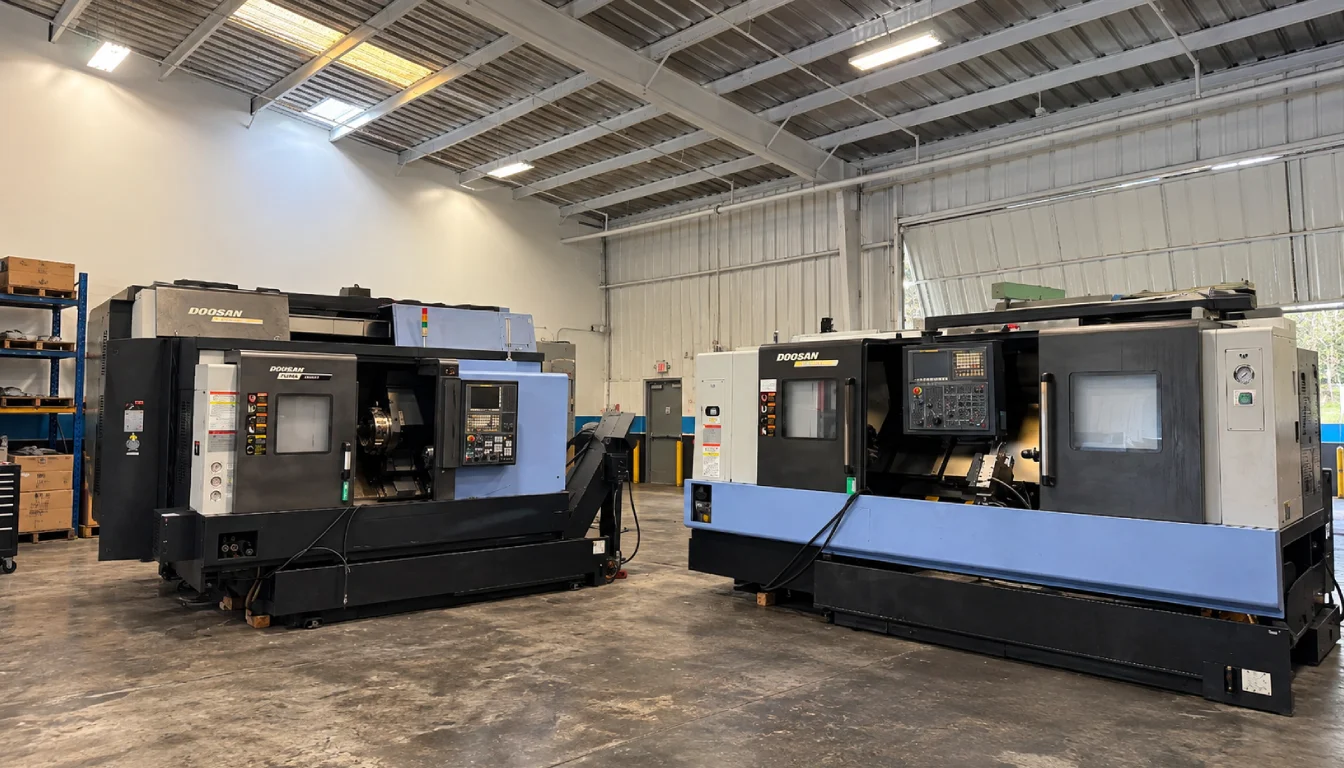
Also, if you want to get used CNC mills or used CNC lathes for your manufacturing shop, then check the collection of Machinestation. 

Conclusion: 

In modern times, a CNC machinist needs to learn a range of skills to handle the complex manufacturing work that is trending in 2026.  Also, due to the surge of AI and IoT in the manufacturing arena, machinists should continuously try to upgrade themselves to ensure that they are ready for the future.

FAQs:

1. Is manual programming still relevant?

Manual programming remains relevant because machinists often need to edit or troubleshoot code directly on the machine, especially when dealing with used CNC equipment. 

Multi-axis machining knowledge allows machinists to handle complex parts and reduces the need for multiple setups, making it increasingly important. 

Machinists can stay updated by learning new software, attending training programs, and gaining hands-on experience with different machines and technologies.

Back to Top
Select Language
Product has been added to your cart