Home / Blogs / The Advantages of Multi-Axis CNC Machines in Complex Part Production

The Advantages of Multi-Axis CNC Machines in Complex Part Production

The manufacturing world is changing at a rapid pace, and current manufacturing industries require several complex design products that can be produced with the assistance of multi-axis CNC machines. For intricate part designs, 3-axis machines are not enough, as they stretch the cycle time, and the number of setups also increases. That’s where the multi axis CNC machines enter the scene, as these machines bring different advantages to machining shops for producing complex parts. To know the advantages of multi axis CNC machines for machining complex parts, read this blog till the end. 
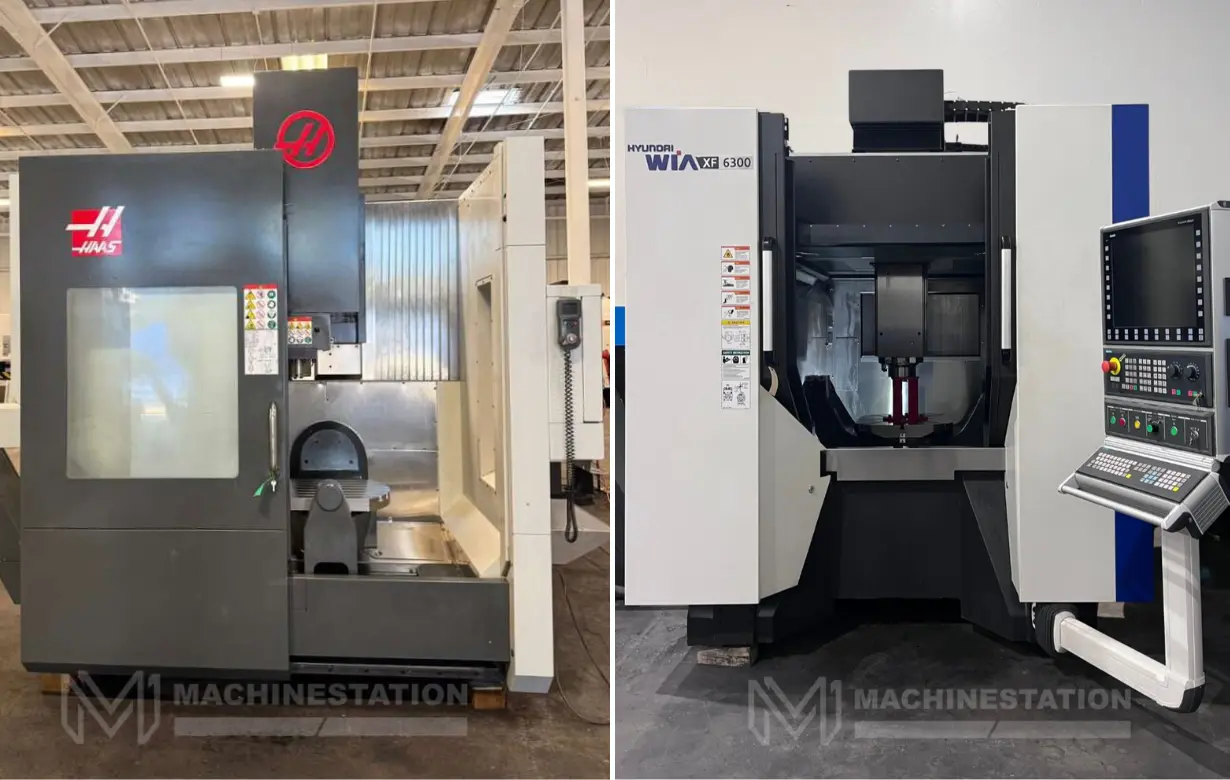
What are the Major Advantages of Multi Axis CNCs for Complex Parts Production?

1. Reduction of Setups:

One of the first advantages of multi axis CNC machines for machining of complex design parts is their capability to reduce the number of setups while machining. As complex parts need machining on multiple faces, with 3-axis CNC machines, operators need to:

  • Re-clamp the part
  • Re-zero offsets
  • Re-indicate alignment

Multi axis CNC machines help in the reduction or elimination of these secondary setups. This reduced setups with multi axis CNC also helps in slashing the overall lead times of machining, while also helping to reduce the risk of manual errors.

2. Superior Accuracy:

The next benefit we are going to discuss is accuracy improvements with multi axis CNC machines. Every time parts are removed and reloaded, that creates a chance of deflection in the accuracy of the part, while machines with multi axis can get the operation done in one clamping, which helps in maintaining:

  • Concentricity
  • Angular accuracy
  • True positional relationships

For industries that need tighter tolerance in machining, this precision machining capability of the multi axis machines makes them a great choice.

3. Better Surface Finish Quality:

One of the major multi-axis machining use cases in manufacturing is for better surface finish quality. With simultaneous multi axis movement, tool orientation can remain optimal relative to the surface. This helps in the reduction of:

  • Tool deflection
  • Excessive tool engagement
  • Step over marks

Maintaining a proper cutter angle helps in achieving better finishes on sculpted surfaces. 

4. Capability of Machining Deep Cavities and Undercuts:

Certain geometries are extremely difficult to be machined with the help of a standard 3-axis CNC machine, and that is where multi axis CNC flexibility becomes relevant. These CNC machines allow tools to approach the workpiece at compound angles. This helps in the machining of products like:

  • Mold cavities
  • Aerospace brackets
  • Turbine blades
  • Medical implants

Any deep cavities or undercuts for parts like these can be machined easily with the help of multi axis machines. 

5. Better Tool Life:

One of the major advantages of multi axis CNC machines is that you get a better tool life. With these machines, you can tilt the spindle or rotate the part to maintain better cutting engagement. This might help you with:

  • Better chip evacuation
  • Distribute tool wear evenly
  • Reduced localized heat buildup

For shops machining hard materials on a daily basis, proper tool management significantly impacts the operating cost of the machine.

6. Reduced Need for Custom Fixtures:

The next complex part machining advantage with multi axis CNC machines is the reduced need for custom fixtures. Multiple setups often need dedicated features. Multi axis CNC machining reduces the number of times the workpiece must be repositioned, which helps in the overall reduction of fixture design time and associated costs. 

For shops that do low volume high mix production work, the simplification of fixtures is often highly valuable. Shops focused on prototyping and innovation can benefit from the flexibility of the CNC machine. 

7. Improved Automation Potential:

Last but not least, multi axis CNC machines are ideally better suited for automated production lines. The multi axis CNCs can integrate well with:

  • Pallet changers
  • Tool monitoring software
  • Robotic loading systems

Their ability to machine complex parts in a single setup makes them the backbone of highly automated manufacturing cells of modern times. 

Also, if you are planning to buy multi axis swiss type lathe machines, then you can check out MachineStation’s collection of used Citizen Cincom CNC machines. 

Conclusion: 

Multi axis CNC machines are the go-to options for manufacturing shops that need to do complex parts manufacturing work, as it brings efficiency and reduces manual labour and lead times. If one has a tight budget, then they can also go with used multi axis CNC machines for their manufacturing shop.

FAQs:

1. What qualifies as a multi-axis CNC machine?

A multi-axis CNC machine is typically defined as equipment that operates beyond standard 3-axis motion (X, Y, Z). This includes 4-axis machines with an added rotary axis and 5-axis machines capable of rotating around two additional axes. 

Cycle time reduction depends on part geometry and programming strategy. For complex parts that require multiple setups on a 3-axis machine, multi-axis machining often consolidates operations into a single setup, reducing repositioning time. 

Not every shop requires multi-axis capability. Shops focused on simple prismatic parts may continue operating efficiently with 3-axis machines. Multi-axis machines are more relevant for manufacturers producing complex, multi-face, or contoured components where setup reduction and advanced geometry access are important.

Select Language
Product has been added to your cart