Home / Blogs / AI-Driven CNC Process Optimization for High-Volume Production

AI-Driven CNC Process Optimization for High-Volume Production

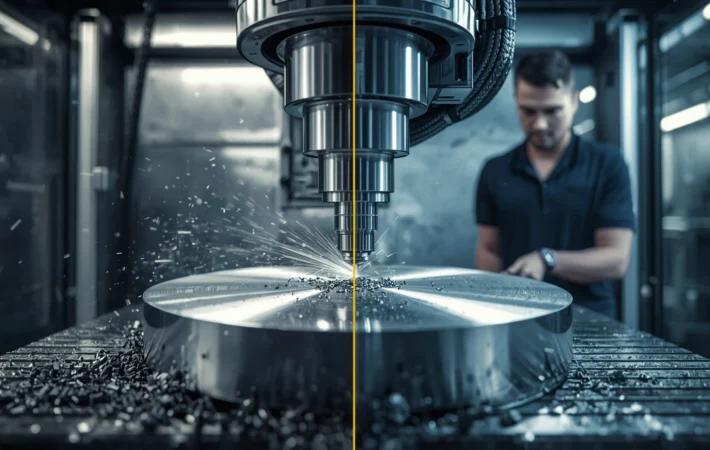
CNC machining processes are now getting optimized with the help of artificial intelligence to improve their performance for high volume production work. When manufacturing shops handle huge volumes of work, even seconds of inefficiency for every cycle will cause an impact on monthly production. The AI CNC optimization is changing how manufacturers approach the throughput and downtime of the CNC machine. So, if you are curious to know more about AI powered CNC machining optimization for high volume production, then read this blog to the end.
Top Benefits of AI Process Optimization for Higher Production Volume:

1. Cycle Time Optimization without Manual Guesswork:

When doing high volume manufacturing work, cycle time is a major factor that affects the profitability of the shop. AI bases cycle time reduction systems help in the reduction of manual intervention and increase in profits for the manufacturing shops. AI system analyzes:

  • Rapid movement patterns
  • Cutting parameter performance
  • Toolpath efficiency

The systems will then recommend adjustments which will help in the reduction of idle motion and non cutting time.

2. Adaptive Feed and Speed Adjustments:

In traditional CNC programming, feed and speed values are set fixed. AI driven optimization introduces adaptive control. The system monitors different parameters like:

  • Inconsistency in materials
  • Variation of spindle load
  • Condition of the tool

When the cutting load increases beyond a threshold value, the feed rate can also automatically adjust. This helps in maintaining stable cutting conditions during long production cycles, helping to achieve better repeatability for high volume production.

3. Predictive Tool Wear Monitoring:

Tool wear is a common problem that most manufacturers face when doing high volume production work. AI CNC optimization systems can help in predictive tool wear monitoring with different data like:

  • Cutting force signatures
  • Surface finish deviation patterns
  • Historical tool performance data

Rather than waiting for the tool to fail, these systems predict when a tool is approaching its wear limits, which allows:

  • Planned tool changes
  • Predictive maintenance scheduling
  • Lesser scrap

4. Integration with Automation Systems:

When talking about AI CNC optimization, we need to talk about integration with different automated systems that make the high volume production work more seamless and efficient. Different automation systems can be integrated, such as:

  • Bar feeders
  • Pallet changers
  • Robotic loaders

All of them help in consistent part production.

AI systems analyze:

  • Idle machine time
  • Time for loading and unloading
  • Queue management

This helps in high volume CNC production optimization.

5. Energy Consumption Analysis:

One of the main benefits of AI for CNC process optimization is that it can be used to analyze the energy consumption of the CNC machine for high volume production work. Energy costs scale with production volume. AI platforms analyze:

  • Idle power draw
  • Spindle efficiency
  • Power consumption per cycle

Data insights help the production managers to identify different things, like:

  • Machines consuming an abnormal amount of energy
  • Opportunities to consolidate operations
  • Programs with excessive idle time

Is AI CNC Optimization Practical for Your Manufacturing Shop?

If your manufacturing shop:

  • Operates in multi shift schedules
  • Manages several CNC machines
  • Experiences tool wear variability
  • Runs repetitive parts production

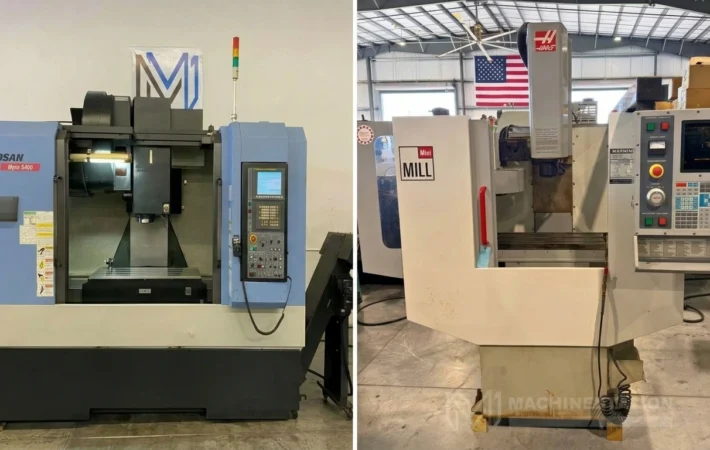
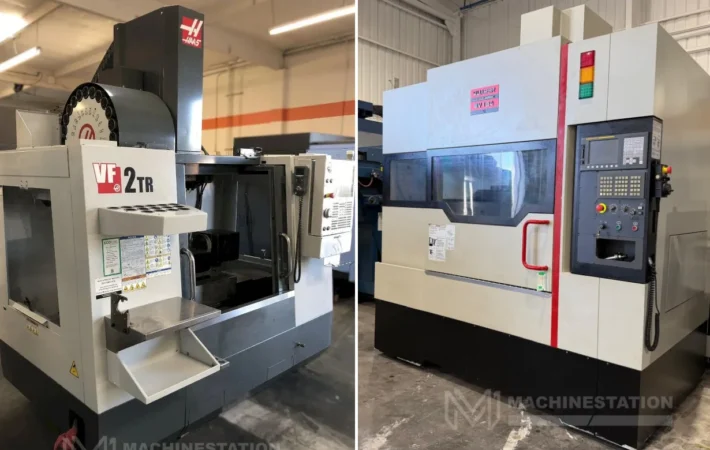
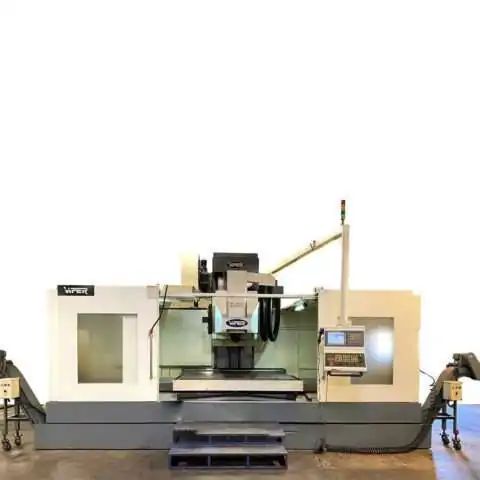
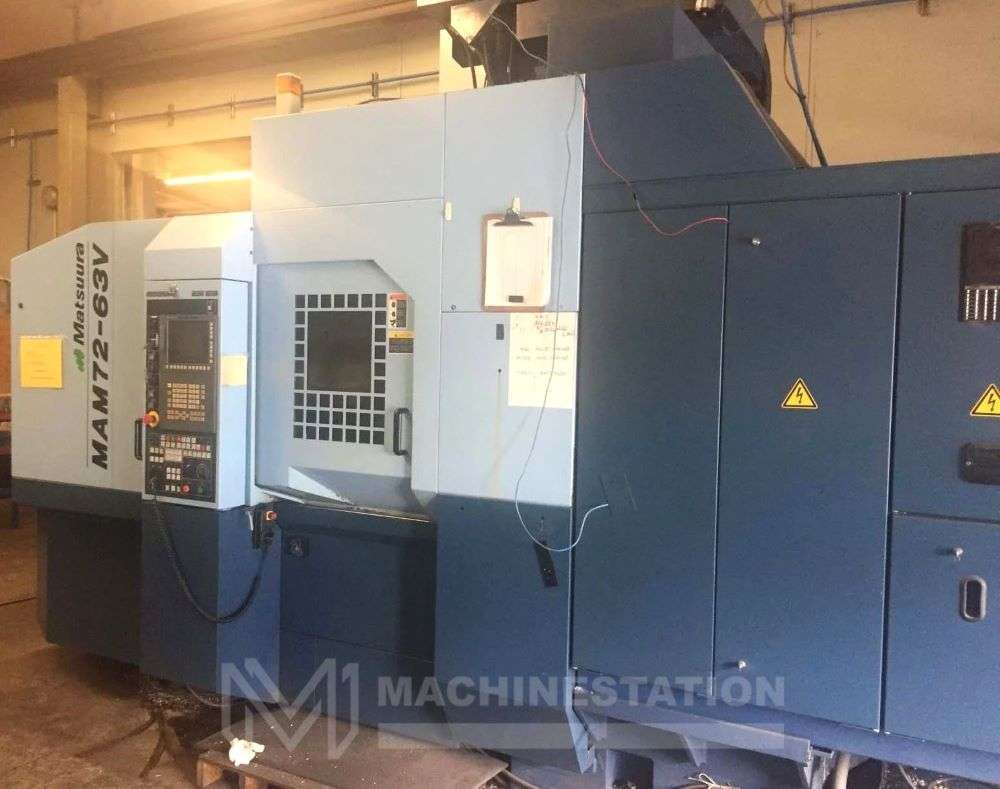
Then, AI powered CNC machining optimization can support process stability with a focus on improving your CNC machines for high volume production works.But if you are currently looking for used CNC machines, then you can check MachineStation’s collection.

Conclusion: 

AI is changing how CNC machining worked for years. In current times, things are getting more optimized for high volume production, which helps even smaller shops to handle large volumes of work.

FAQs:

1. Can AI improve cycle time in high-volume production?

AI can identify patterns in non-cutting time, rapid movements, and toolpath inefficiencies. By analyzing thousands of cycles, it highlights areas where minor adjustments may reduce unnecessary motion and improve overall process flow.

Yes, many AI platforms are designed to work with mixed fleets. Retrofitting with sensors and edge devices allows older CNC machines to transmit performance data without requiring full controller replacement.

For shops running repetitive, high-output parts, AI can improve process visibility and operational consistency. The financial outcome depends on implementation strategy, production scale, and how effectively insights are applied.

Quick Contact

Please enable JavaScript in your browser to complete this form.
Are you a Reseller?
=

Select Language
Product has been added to your cart