Home/Blogs/Differences Between Box Way and Linear Guide CNC Machines
Differences Between Box Way and Linear Guide CNC Machines
When talking about the overall structure of the CNC machine, most of us have often come across two terms, box way and linear guides. The machines of these two types vary in different ways, which include rigidity, performance, design, maintenance requirements, and the type of work your shop can take on. But the question that comes after this is, how are these two types of machines different? If you also have the same question in mind, then read this article to the end to know the major differences between box way vs linear guide CNC machines.
What are the Differences Between Box Way and Linear Guide CNC Machines?
Here are the major differences between the box way CNC machines and the linear guide ones:
1. Definition:
The first major difference that we need to understand is the definition of these two types of CNC machines.
Box Way CNC Machines:
Box way CNCs use hardened and ground sliding surfaces, which are typically coated with turcite or similar materials. These ways are wide and solid. They are designed for maximum contact area between moving components. Here are the key characteristics:
Designed for heavy cutting loads
Large surface contact between saddle and base
Typically found in heavy duty CNC machines
Oil lubrication is needed for smooth motion
Linear Guide CNC Machines:
Linear guide machines use recirculating ball bearings or roller guides mounted on rails. Instead of sliding friction, these systems operate with rolling contact. Here are the key characteristics:
High rapid traverse speeds
Useful for high speed machining
Low friction movement
Reduced wear compared to sliding ways
2. Core Mechanical Difference:
The fundamental mechanical difference between box way vs linear guide CNCs lies in how the motion is achieved.
For Box Ways:
Higher friction
Larger contact area
Sliding motion
Linear Guides:
Lower friction
Smaller contact points
Rolling motion via balls or rollers
The practical impact is that box ways resist cutting forces better, and linear guides move faster with less resistance.
3. Rigidity Comparison:
Rigidity is a major differentiating factor between these two types of CNC machines. Also, the rigidity of a CNC machine determines how well it can resist deformation under cutting load.
For Box Ways:
Strong damping capability
High structural rigidity
Handles interrupted cuts effectively, which is one of the major box way advantages
For Linear Guides:
Lesser damping capability compared to boxways
Rigid but dependent on machine design
Better suited for lighter and continuous cuts
4. Friction and Heat Generation:
These two types of machines have different friction and heat generation. For box way CNC machines:
The large surface area of the box ways creates significant stiction
This friction generates heat during prolonged machining works
This heat can lead to thermal expansion and slight deviations in accuracy if not managed properly
For the linear guide machines:
Linear guides operate on rolling elements, which generate less friction than sliding ones
Lesser friction translates to less heat, helping with more linear guide accuracy in machining works
Accuracy continues for longer production runs, too
5. Load Bearing Capacity:
This is a critical factor to analyse in the box way vs Linear guide CNC machine differences, when machining heavy materials. For box way machines:
Handles higher load due to large contact areas, which is one of the major box way advantages
Can handle high pressure drilling work without deforming
More forgiving under shock loads
For linear guide CNCs:
Load capacity depends on the rail size and design
Less tolerant of sudden heavy impacts
They are not the primary choice for hogging operations
6. Maintenance Requirements:
Maintenance plays a major role in machine reliability, and one of the major box way vs linear guide CNC differences is their maintenance requirements. For box way machines:
These machines need constant lubrication
Way oil systems must be monitored
Risk of stick slip if maintenance is not properly done
For linear guide machines:
Lower lubrication demands
Less friction related wear
Overall cleaner operations
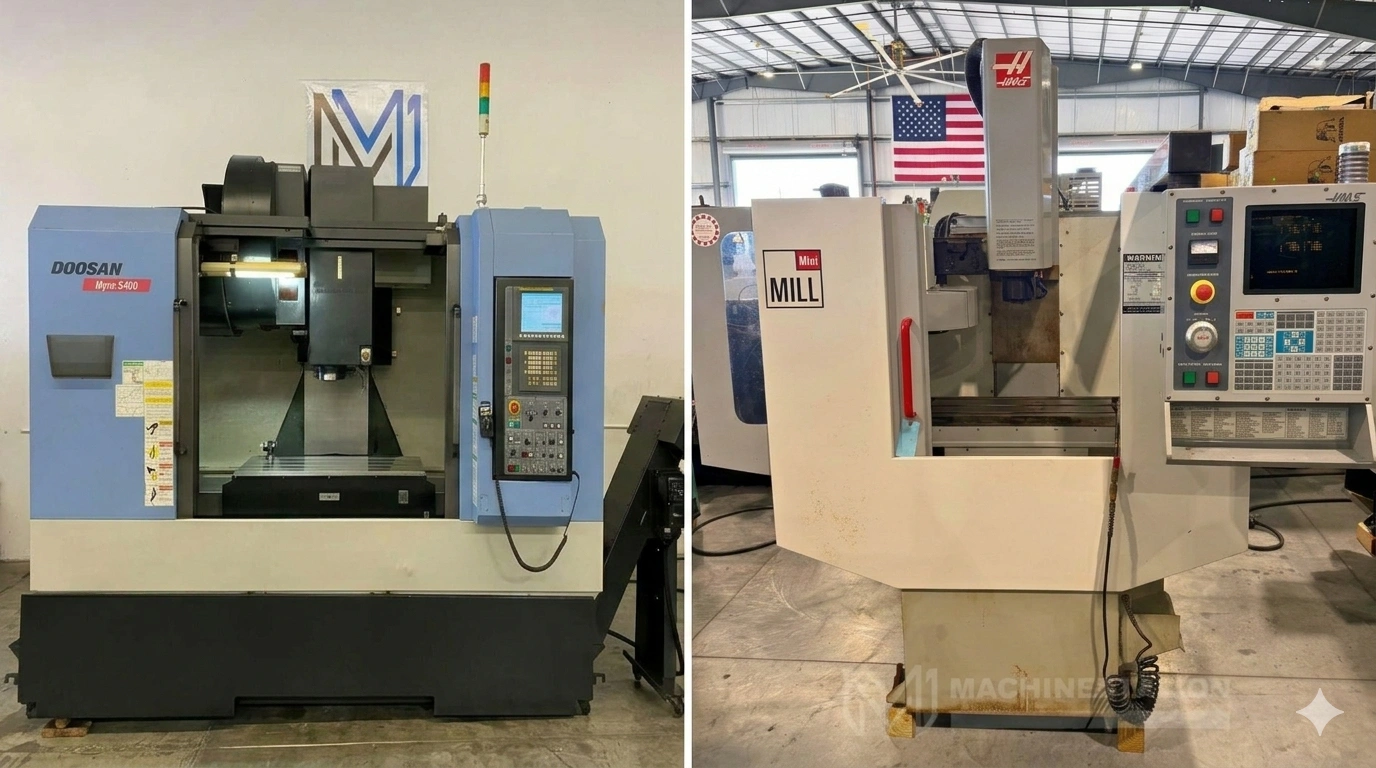
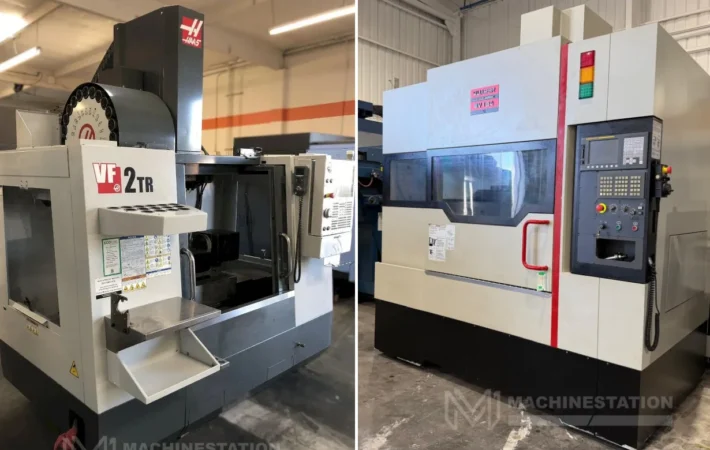
But if you are looking at any one of these box ways or linear guide CNCs, then you can check the used CNC machines in the MachineStation collection.
Conclusion:
Box way and linear guides are two different types of CNC machines on a structural basis. The machines have different mechanical designs and have a bit of different machining capabilities too. To choose between one of these two machines, you need to understand which one’s design and features will help you the most.
FAQs:
1. Which type of CNC machine is better for heavy-duty machining?
Box way machines are generally more aligned with heavy-duty machining because of their larger contact area and higher damping characteristics. They can handle deeper cuts and more demanding materials without reacting as quickly to cutting forces.
2. Which type offers better surface finish?
Surface finish depends on the application. Box ways provide stability under heavy cuts, while linear guides perform well in high-speed finishing operations.
3. Which is more suitable for a job shop?
Job shops handling varied materials and part geometries often consider linear guide machines for their speed and flexibility, but the final choice depends on the type of work being performed regularly.