Home / Blogs / Can AI Replace CNC Programmers? Exploring the Possibilities

Can AI Replace CNC Programmers? Exploring the Possibilities

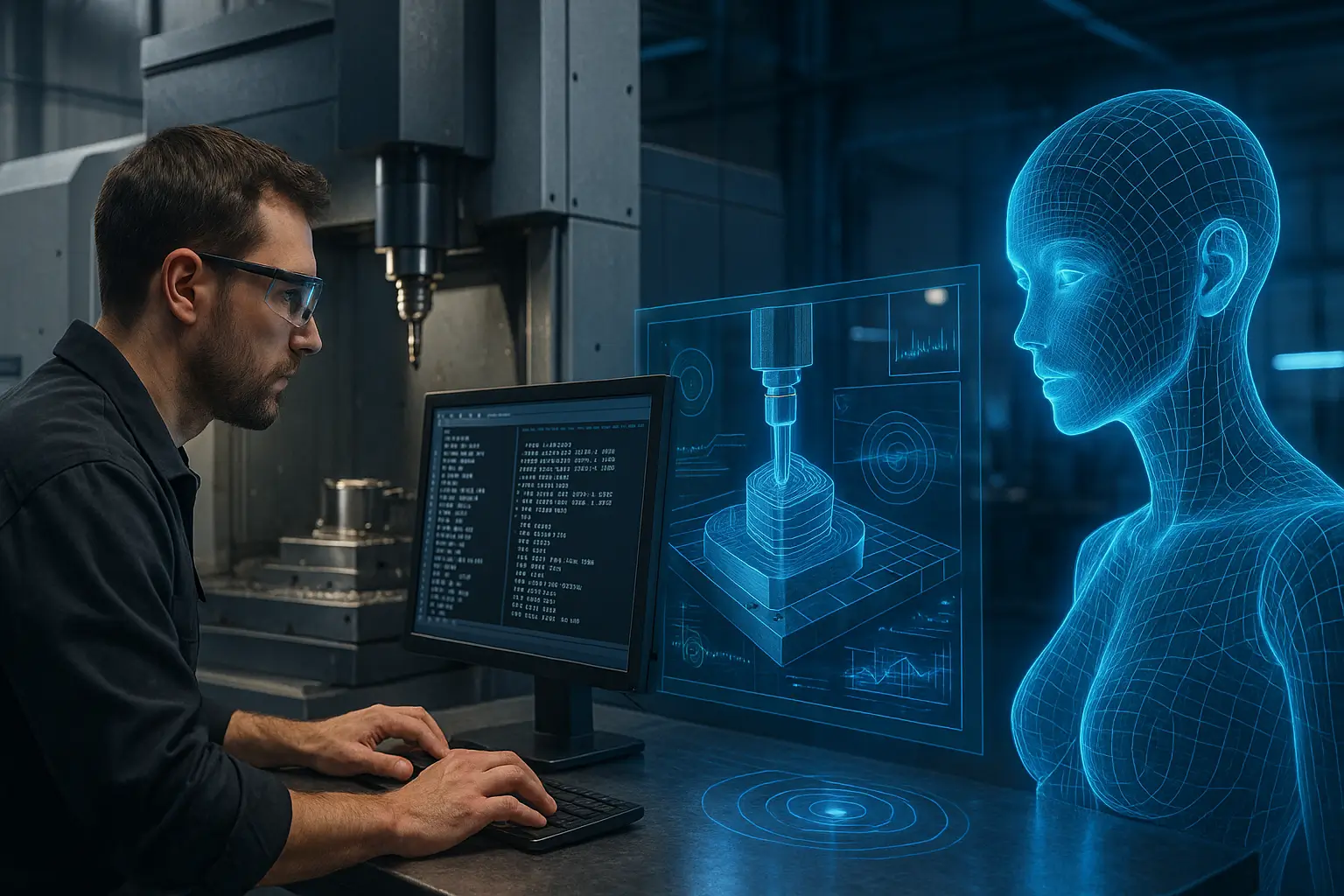
The introduction of AI has put several jobs at risk across the world. The whole world is preparing for AI to replace human beings in different jobs, from coding to writing or designing to consulting. Although the chatter around these industries is increasing, the jobs of CNC programmers are also not safe under the influence of AI. The CNC machining industry is also evolving at a rapid pace as different automation features are bringing various changes in the market, but totally automated AI CNC programming is still not that common, but the future is not far away. Also, humans have some advantages over artificial intelligence, too. So, to know whether AI can replace CNC programmers or not, check out our blog.
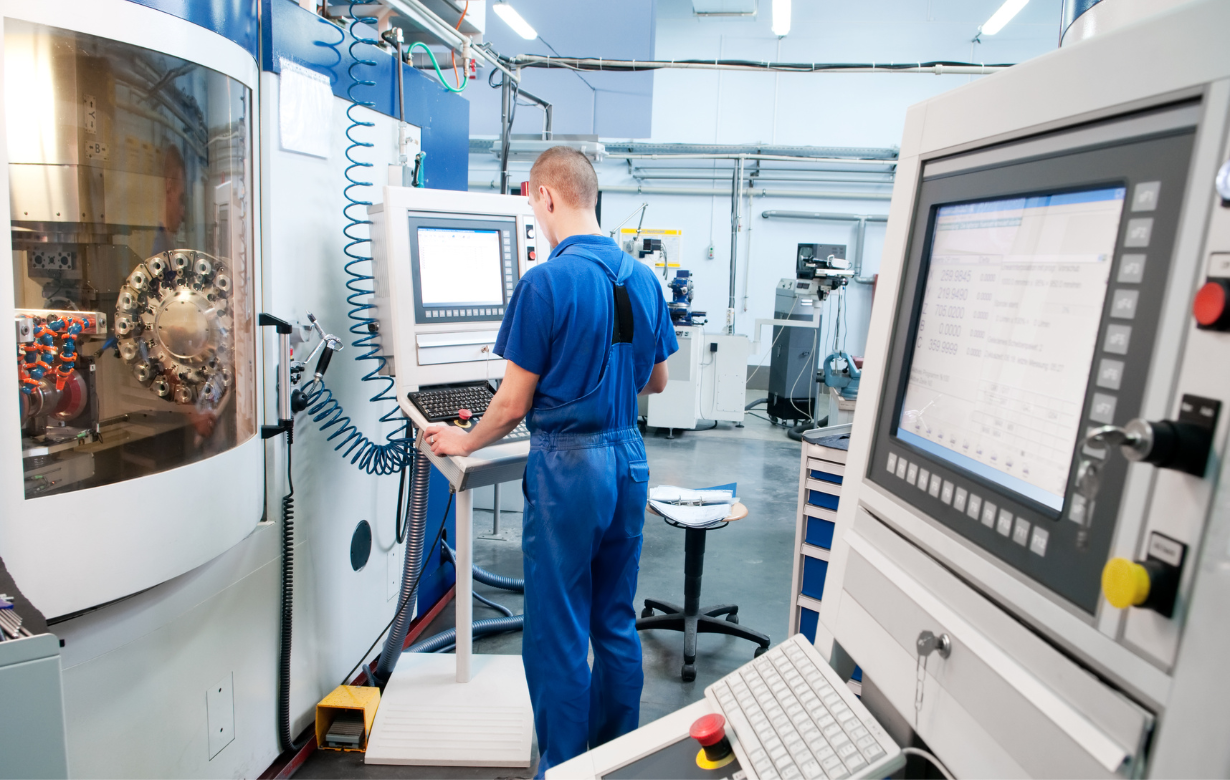
The Human Elements in CNC Manufacturing:

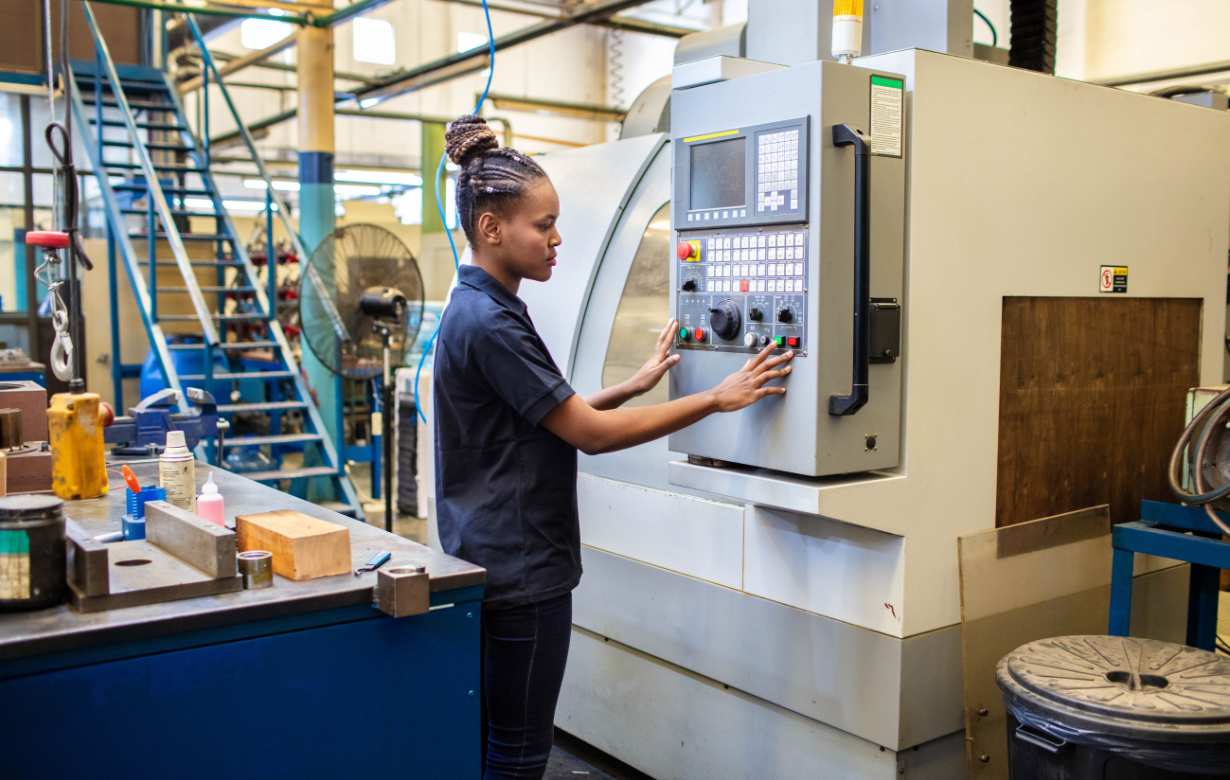
  1. Interpreting complex blueprints and CAD models. 
  2. Developing machine strategies and writing G-code. 
  3. Simulating and validating programs to prevent costly errors and material wastage. 
  4. Troubleshooting, optimizing, and collaborating with engineers and machinists.

How AI In CNC Programming is Evolving?

Now, here are some aspects where AI CNC programming is influencing the future of CNC programming: 

  1. Automated Toolpath Generation: CAM systems are increasingly using algorithm based analysis to generate toolpaths with minimal human input. This is reducing the programming time in a drastic manner. 
  2. AI Driven Code Suggestions: Some modern software is experimenting with AI that can help in interpreting part drawings or CAD models and then generate draft G-Code. This can reduce the development time and also help in supporting new programmers. 
  3. Feature Recognition and Optimization: Different CAM software are coming up with AI solutions that can detect geometric features, suggest optimal toolpaths, and adjust parameters in real time. 
  4. Simulation and Error Detection: AI in manufacturing industry is also helping with enhanced simulations that are more precise and accurate in detecting collision scenarios, unusual motions, and other tool engagement issues.

Why AI Cannot Fully Replace CNC Programmers? (At least Not Yet):

Though AI has several edges over human beings, human skills are still not totally obsolete when it comes to CNC programming. So, here are some scenarios where human beings are more important than AI in CNC Programming: 

  1. Complex Parts Manufacturing: Manufacturing of complex products like tough aerospace and defense components, mold cavities, and custom one off parts needs deeper knowledge of CNC machining and experience too, which AI lacks in the current situation. 
    The human programmers interpret ambiguous requirements for making new complex designs, which helps in the overall innovation of the global manufacturing industry. 
  1. AI Lacks Full Contextual Understanding: Experienced programmers bring tacit knowledge to the table, which Automated CNC programming lacks. One product is not just a geometrical shape; it is all of purpose, sequence planning, tolerance strategy, tool reach, tool life considerations, and machining capability. Human reasoning capabilities remain central to balancing all these variables. 
  2. Real World Machining Conditions Vary Too Widely: Every manufacturing shop has a variety of different conditions like the machine model, its manufacturing year, tooling brands, material batches, wear conditions, and overall machining conditions. AI CNC programming can generate generic suggestions for shops, but human beings can do machining as per the requirements of the actual shop environment. 

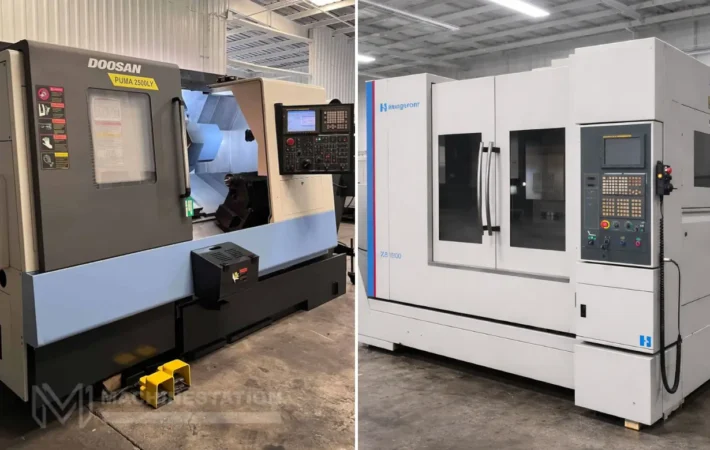
Also, as of now, the machine’s capability to handle automation features is also going to be a major distinctive feature. You can check for used CNC machines that are open to automation adaptation in MachineStation’s collection.

Differences between AI and Human Programmers:

AreaAI StrengthsHuman Strengths
Speed & AutomationAutomates routine tasks very fastExcels in custom, complex projects
PrecisionMaintains tight tolerancesHigh, but more error-prone
CreativityPractical, low noveltyHigh creativity, unique solutions
AdaptabilityAdapts to routine variabilityHandles the unexpected
OversightNeeds human reviewIdentifies and corrects subtle errors
Ethics/StrategyLacks ethical reasoningConsiders long-term goals, values

How AI Will Improve CNC Programming Workflows?

Here are some major improvements that are going to happen due to AI in CNC programming, which will benefit everyone: 

  1. AI CNC programming will shorten the programming time for basic machining operations, and programmers will be able to focus more on strategic work. 
  2. CNC programming automation will help with smart simulation, which further helps with stronger error prevention and cost savings. 
  3. CNC programming automation will also help newbie operators to run the machine easily without having any steep learning curve.

The Future Outlook of Automated CNC Programming:

Here are some major changes we can see in the upcoming years due to AI in CNC programming: 

  1. First Phase: This is happening right now, which is the use of assistive AI. Currently, AI tools are giving suggestions and helping operators with better machining. 
  2. Second Phase: Which might happen in the next 3-5 years. In this phase, AI will generate the majority of the code, self correct chatter, and make changes in real time. Human beings will work as supervisors. 
  3. Third Phase: Which might happen in the next 10 years or more. AI will be doing all the programming work, adjusting its offsets, and also deciding when the machine needs a tooling change, all by itself. This will lead to lights out manufacturing, making human intervention drastically less important. 

Though it is not possible to predict when it will exactly happen, all these changes are going to happen in the future with more evolving automation.

Conclusion: 

In conclusion, AI is not capable of replacing human beings for CNC programming right now, but it is not far behind either. AI models are evolving at a very fast speed and can soon outskill human beings in different aspects, but the CNC programmers who are not just mere code writers but orchestrators of raw metal to precision components will remain relevant for their strategy, experience, and problem solving ability.

FAQs:

1.How is AI currently used in CNC programming?

Ans: AI supports tasks like automated feature recognition, draft toolpath creation, code optimization, simulation, and error detection. These tools help programmers work faster, but still need human review.

Ans: Yes, AI may reduce repetitive tasks such as drilling cycles, simple pockets, and standard roughing strategies.

Ans: AI-based suggestions and automated toolpaths can guide newer programmers by showing recommended strategies. This shortens the learning curve but doesn’t replace the need for hands-on training.

Search for products

Select Language
Product has been added to your cart