Home / Blogs / Choosing the Right Rotary Table Size for Small to Mid-Size CNC Shops

Choosing the Right Rotary Table Size for Small to Mid-Size CNC Shops

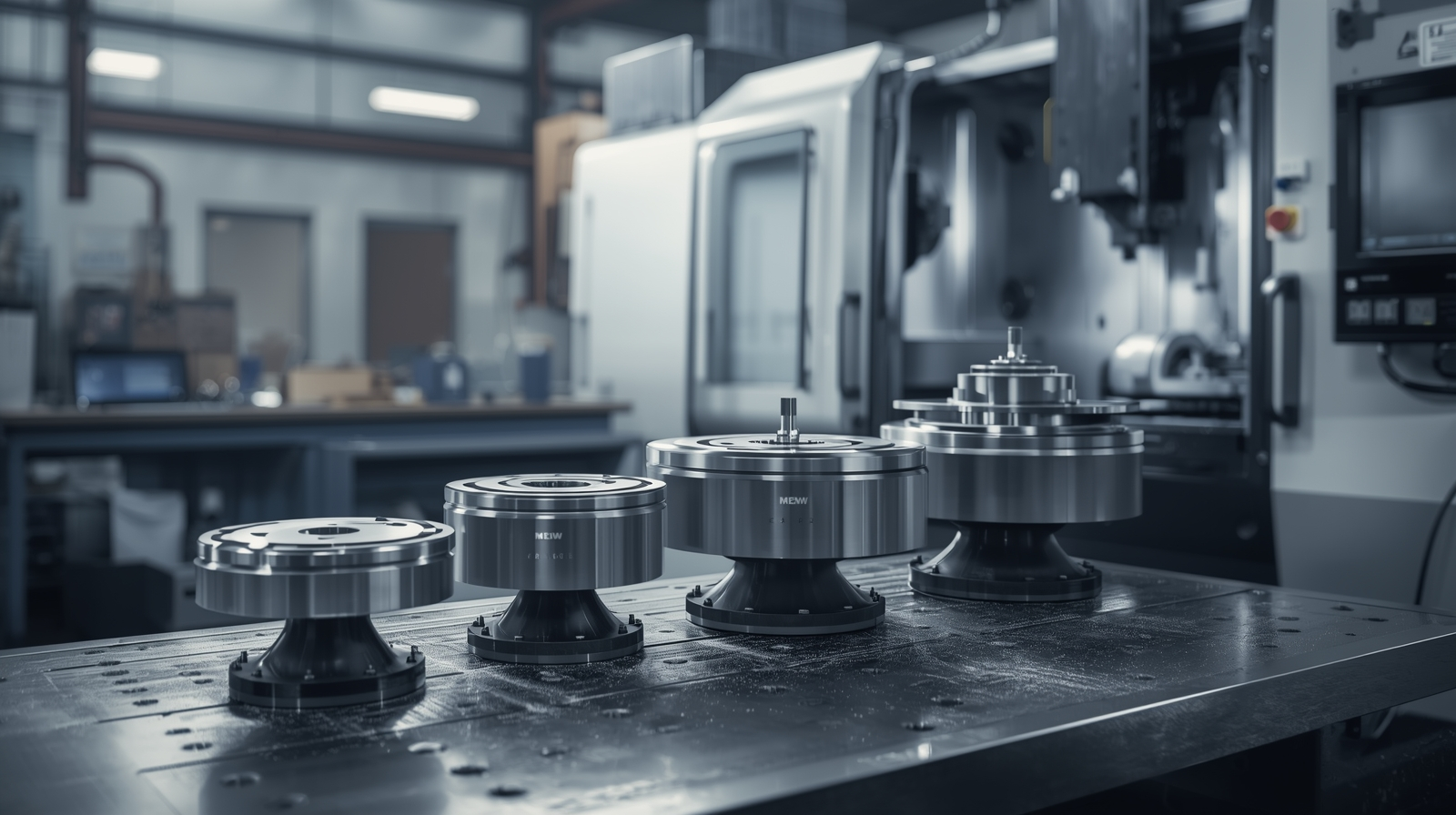
Rotary tables can be a very useful purchase for different CNC machining shops that generally operate with 3axis machines. A lot of growing manufacturing shops often go ahead to buy a rotary table for their CNC machines to expand their machining capabilities. But one problem they face when buying is choosing the right rotary table size, especially for small to mid-sized shops. 

Rotary tables can come in different sizes and with different features. But you need to buy the one that will suit your particular needs. But the question remains – how to do that? So, we will help you out with that through this blog by giving you a proper rotary table size selection guide.
Top Factors for Choosing the Right Rotary Table Size for Small to Mid-Size CNC Shops:

1. Parts Diameter you Want to Machine:

The first factor you need to consider when choosing the right rotary table size for your machining shops is the maximum diameter of the workpiece you want to machine. You should try to get a machine that will be able to comfortably machine your largest workpiece. 

A table with small limits will kill your machining capabilities, while an extremely large one will waste more floor space without any benefit.

2. Weight Capacity:

After you have made an idea about what size of workpiece you will be machining most of the time, you need to make a mind about what the average weight of that workpiece will be before you go with choosing the rotary table for small CNC shops.

Larger tables are generally more capable of handling heavier workpieces, but the load limits of the machine’s axis still apply. Exceeding the load capacity of the machine can lead to loss of accuracy and premature wear and tear on the machine.

3. Available Z-axis Travel on the CNC Machine: 

The next point that should be in your rotary table size selection guide is the available Z-axis travel on your CNC machine. Adding a rotary table is going to consume some vertical space, and taller tables will actually reduce the usable Z-axis travel, which limits tool length options. Here are the things you need to check:

  • Rotary table height.
  • Fixture height.
  • Tool length requirements.

4. Fixturing and Clamping Strategy: 

You also need to consider the size and type of fixtures before buying the right rotary table for your machining shop. Fixture designs often drive the table size more than the part itself. Tombstones, vises, or custom fixtures increase the overall space requirement for the rotary table. 

Selecting a rotary table that supports your most common fixturing approach will also help you in the reduction of setups and overall improvement in the efficiency of the shop.

5. Type of CNC Machine: 

Lastly, one thing you need to remember when choosing the right rotary table size is the machine you’re using. VMC and HMCs are comfortable with different kinds of rotary tables. 

Vertical machining centers often benefit from compact rotary tables, while horizontal machining centers will be able to support larger rotary tables more easily. If you add a large rotary table to VMCs, then you will lose some vertical space, taking away your ability to use long tools and machine long parts. 

Also, if you are looking for a reliable compact rotary table for your small to mid-sized machining shop, then you can check the  Haas HRT-210 models in MachineStation’s collection. 

Conclusion: 

Choosing the right rotary table can be confusing, but the confusion can be easily resolved if you understand your own machining needs and also consider your limitations properly before making the purchase call. So, read the factors and then apply them for yourself and go buy the right machine.

FAQs:

1. How do I know if a rotary table is too large for my CNC machine?

A rotary table may be too large if it significantly reduces Z-axis clearance, restricts X- or Y-axis travel, or exceeds the machine table’s load capacity when combined with the workpiece and fixtures.

Fixture size is often the deciding factor. Even small parts may require larger rotary tables once vises, clamps, or custom fixtures are taken into account.

Yes, while current jobs matter most, selecting a size that allows moderate growth can help avoid early replacement, provided it remains compatible with your existing CNC machine.

Select Language
Product has been added to your cart