Home / Blogs / CNC Machine Lifecycle Cost Analysis: New vs Used vs Refurbished

CNC Machine Lifecycle Cost Analysis: New vs Used vs Refurbished

Different machining shops buy different kinds of CNC machines as per their convenience, which can be new machines, used machines, or refurbished ones. One of the major reasons behind these different choices is the initial price of the respective types of machines. While the new ones come at a high price, used and refurbished models might be a more affordable choice. But one thing that machine shop owners often ignore is the lifecycle costs of the CNC machines. So if you are a buyer who wants to get a detailed idea about CNC machine lifecycle cost for new, used, and refurbished machines, then read this blog till the end. 
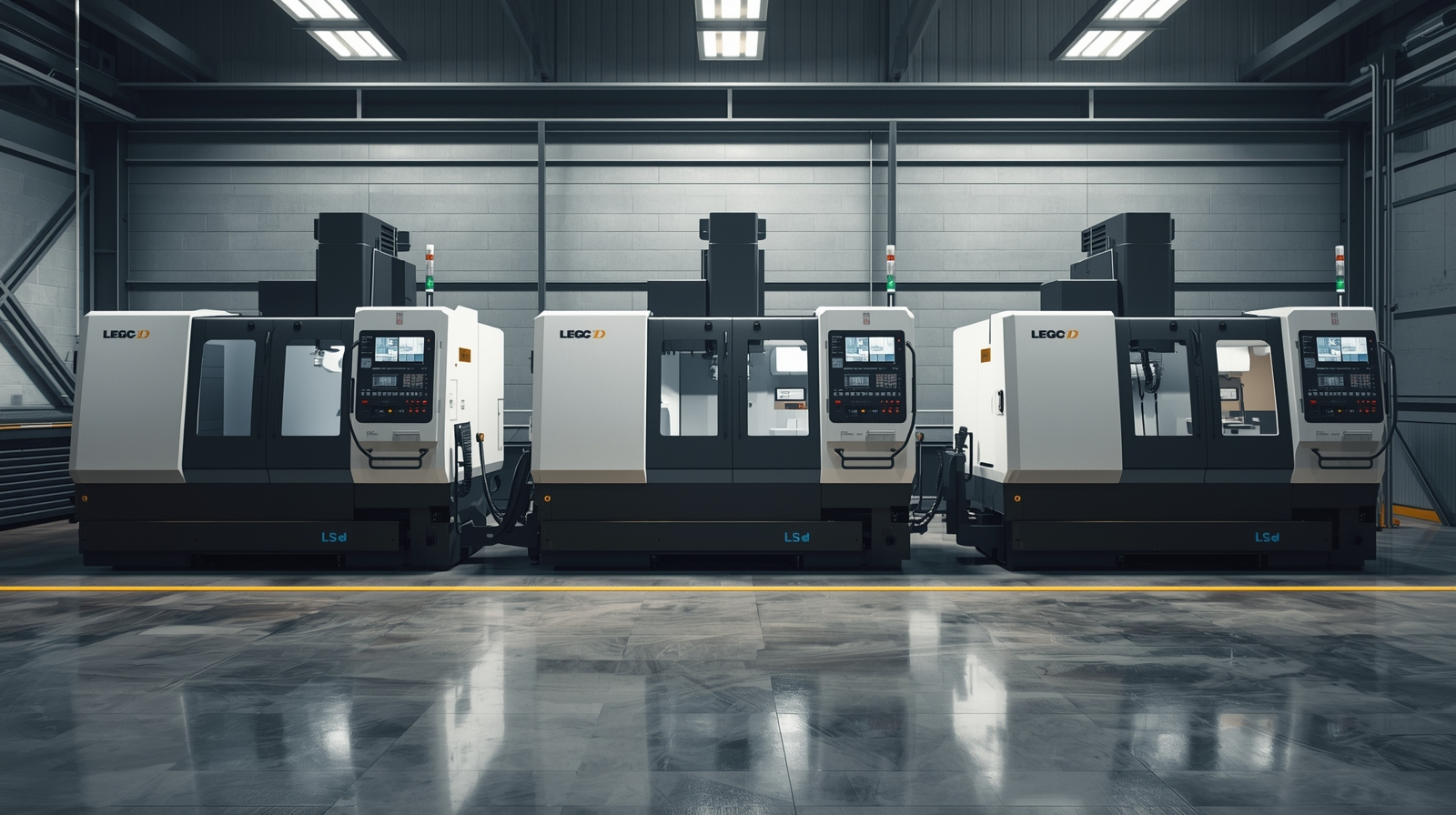
What is CNC Machine Lifecycle Cost?

The lifecycle cost of a CNC machine is referred to as the total cost of owning and operating a CNC machine over a period of time. It includes much more than the purchase price of the machine. The key components of CNC total cost of ownership are:

  • Initial purchase cost
  • Installation and rigging
  • Tooling
  • Maintenance and repair
  • Downtime cost
  • Energy consumption
  • Operator training 
  • Resale value 

Why Does the Lifecycle Cost of the CNC Machine Matters?

Many CNC machining business owners often judge a machine based on their upfront price, but that approach can be misleading. Here are the reasons why lifecycle cost is also a major factor:

  • Downtime can affect production schedules
  • Extremely cheap machines can lead to higher repair costs
  • Resale value differs for machine types and brands
  • Older machines might consume more power

Cost Structure of the Three Types of CNC Machines:

For New CNC Machines:

Major cost characteristics:

  • Higher initial investment
  • Lower maintenance in the early years
  • Modern control systems and efficiency 
  • Manufacturer support and parts availability

Hidden cost considerations:

  • Major depreciation in the initial years
  • Financing cost (if applicable)
  • Software upgrades and licenses 

For Used CNC Machines: 

Major cost characteristics:

  • Upfront cost is lower
  • Faster ROI 
  • Variability in maintenance cost
  • Limited support from the brand for older models

Hidden cost considerations:

  • Higher chances of unplanned downtime
  • Potential wear on the spindle, ball screws, and ways
  • Unknown maintenance history

For Refurbished CNC machines:

Major cost characteristics:

  • Mid range purchase price
  • Repaired critical components
  • Better testing before delivery

Hidden cost considerations:

  • Quality depends on how the refurbishment has been done
  • Not all parts may be upgraded
  • Limited warranty compared to new CNC machines

The Major Factors that Affect Lifecycle Costs of CNC Machines:

1. Initial Investment Comparison:

The first factor one needs to consider before making a CNC buying decision is the initial investment cost for the respective CNC machine. Here are the general pricing trends:

  • New machines have the highest cost
  • Used machines have the lowest cost
  • Refurbished machines have a moderate cost

So, for most buyers, new machines will require financing options, used machines will allow quicker entry into operations, and refurbished machines will reduce the risk compared to used CNC machines. 

2. Installation and Setup Costs:

One factor that people often miss during CNC investment analysis is the installation and setup cost of the CNC machine. These costs will mostly be similar across machines, but can vary a bit. The common expenses are:

  • Rigging and transportation costs
  • Electrical setup
  • Foundation preparation
  • Tooling and fixtures
  • Coolant systems

But new machines might need more advanced setups, used ones might need additional alignment, and refurbished CNC machines might arrive partially ready. 

3. Maintenance and Repair Costs:

This is another major factor that affects the CNC total cost of ownership. This factor also heavily varies between the three different types of CNC machines. 

For new CNC machines:

  • Lower maintenance in the initial years
  • OEM support availability
  • Warranty from the brand

For used CNC machines:

  • Higher maintenance variability
  • More chances of replacement of worn components 
  • More frequent service

For refurbished CNC machines:

  • Moderate maintenance requirements
  • Some components are already replaced
  • But still, the brand warranty won’t most probably be available

4. Downtime Impact:

Downtime is a hidden yet very important factor that affects the overall lifecycle cost of the CNC machine. Even a few hours of machine stoppage can affect a machining shop hugely. Here are the key factors:

  • New machines will typically have less downtime
  • Used machines can have downtime if preventive maintenance is not done properly
  • Refurbished ones fall in between

The cost implications can be:

  • Missed deadlines
  • Lost production hours
  • Additional labour costs

5. Energy Consumption:

Energy costs will accumulate over time. So it is very important to consider it when making a CNC buying decision. Difference across machine types:

  • New machines have advanced energy efficient components
  • Older machines might consume more power
  • Refurbished machines can feature partial upgrades

6. Spare Parts and Service Availability:

The next big factor that one should consider for CNC investment analysis is spare parts and service availability. For new machines, one has access to OEM parts and quick service support. For used and refurbished machines, parts finding can be easy or difficult depending on the model and the brand’s support network.

7. Depreciation and Resale Value:

Depreciation and resale value of the CNC machine affect the overall lifecycle cost of the machine. 

  • For new machines – depreciation happens in the first few years, but a higher resale value can be achieved with proper maintenance. 
  • For used machines – most depreciation has already happened, so the resale value is not that low compared to the purchase price. 
  • For refurbished machines – moderate depreciation happens, but good resale value can be achieved with proper maintenance.

8. Tooling Costs:

Last but not least, tooling is a significant hidden factor affecting the CNC machine lifecycle cost. New machines might need significant investment for advanced tooling to gain leverage in modern CNC machining competition. Used machines come with tooling, but they might need upgrading, and you will have to consider that cost.  Refurbished machines will typically have the same issues as used CNC machines. 

Who Should Get Which One?

New CNC Machines are Suitable for:

  • High production environments
  • Shops needing advanced features
  • Long term investment planning

Used CNC Machines are Suitable for:

  • Low to medium production volume
  • Budget conscious buyers
  • Backup or secondary machine 

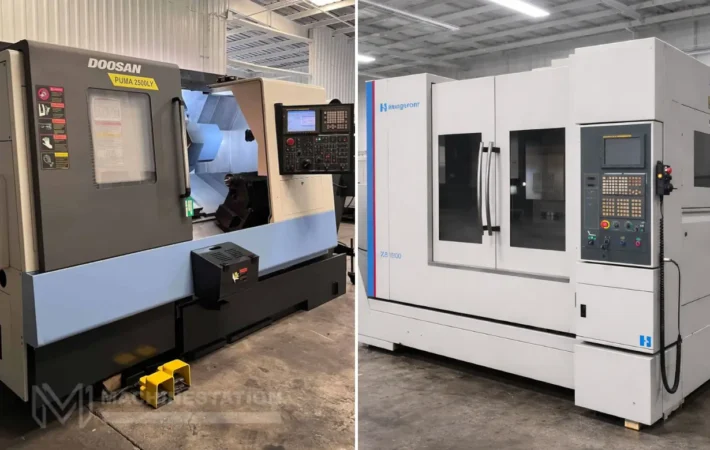
If you are looking for used CNC machines, then check the collection of MachineStation.

Refurbished CNC Machines are Suitable for:

  • Buyers seeking a balance between cost and reliability
  • Mid range budget shops
  • Shops expanding capacity

Summary Table of Lifecycle Cost Comparison:

Cost FactorNew MachinesUsed MachinesRefurbished Machines
Acquisition CostHighestLowestModerate
Maintenance & SupportLow (warranty)High (risk of failure)Moderate (upgraded parts)
Downtime & ReliabilityMinimalHighModerate
Tooling & ChangeoverModern, efficientMay need upgradesDepends on upgrades
Energy ConsumptionLow (efficient)HighImproved if upgraded
Depreciation & ResaleFast early, high resaleSlow, low resaleVaries, can be higher
Operational/Labor CostsLow (automation)HighModerate
Flexibility/UpgradesHighLowImproved if modernized
Scrap/Rework/QualityLow (high quality)HighModerate

Conclusion: 

New, used, and refurbished CNC machines, all these three categories are all there for different kinds of CNC machine buyers. You need to understand what things that you can negotiate about and what are non-negotiable, then you will be able to make the best decision for yourself. 

FAQs:

1. What role does machine age play in lifecycle cost?

Older machines may have higher maintenance requirements and limited parts availability. Age can also impact control system compatibility and energy efficiency.

Resale value can help recover part of the investment at the end of the machine’s life. Machines with better maintenance and newer technology typically retain more value.

New CNC machines still require maintenance. While early maintenance costs are generally lower, regular servicing, lubrication, and inspections are still necessary.

Search for products

Select Language
Product has been added to your cart