Home / Blogs / CNC Spindle Maintenance – Tips for Longevity

CNC Spindle Maintenance – Tips for Longevity

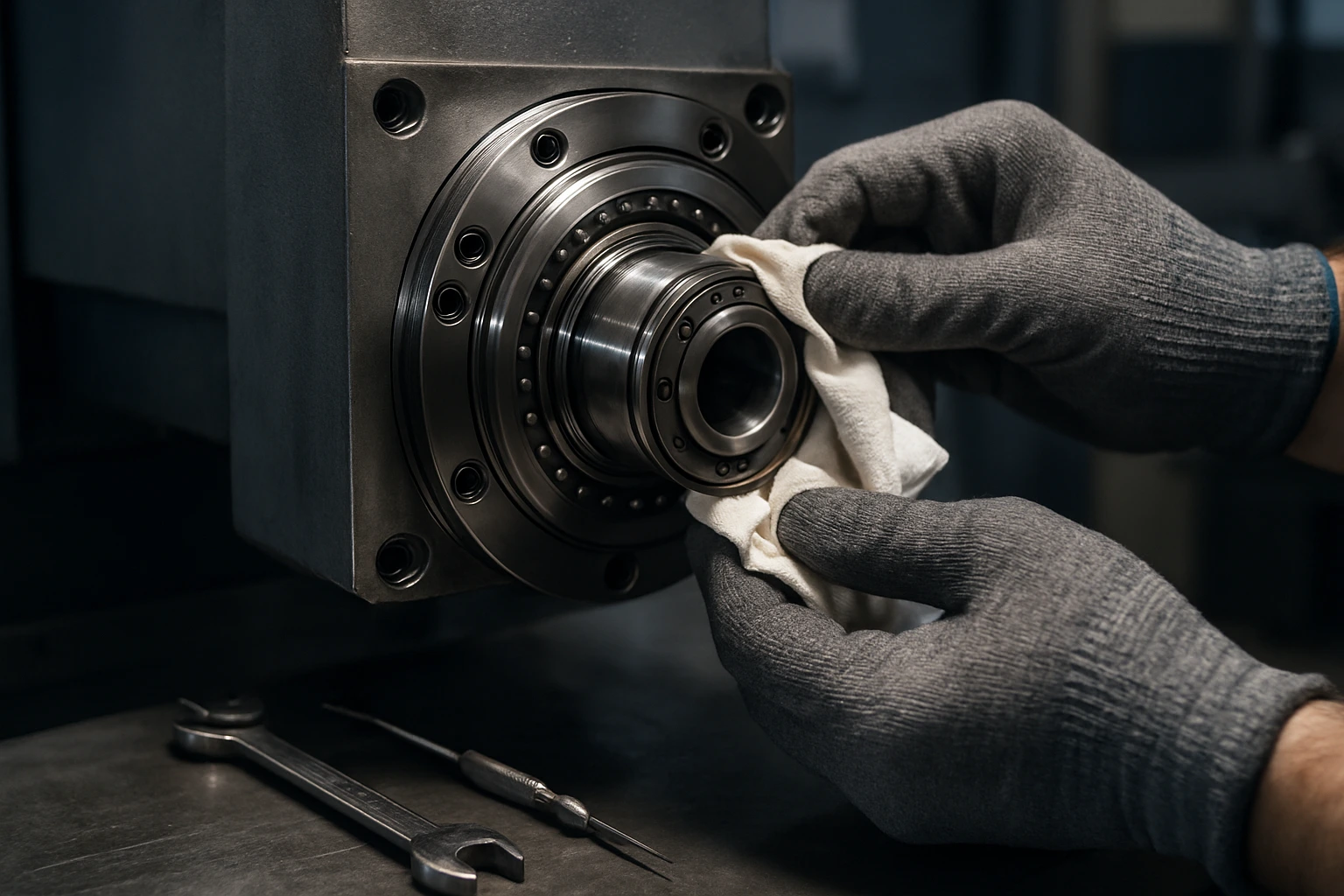
The Spindle is the heart of the CNC machine. A rightly maintained spindle can do wonders even after years, while a neglected one will destroy your manufacturing capabilities. The spindle of a CNC machine needs meticulous attention for the high quality performance, and not doing it the right way can be dangerous for your business. Maintenance of the spindle is not about fixing it whenever it shows any problems or has breakdowns, but doing regular care to prevent failures even before they happen, especially for used CNC machines. So, shops looking for tips on maintenance for CNC spindles can read this blog till the end and get some great tips to keep their spindle in the right condition.
Why CNC Spindle Maintenance Matters?

  1. Better consistency in repeatable machining applications. 
  2. Increases the usability of the CNC machine. 
  3. Decreases the repair frequency and downtime of the CNC machine. 
  4. Reduces the risk of costly rebuilds. 

How to maintain your CNC spindle?

Here are the main steps that you can take for the maintenance of your spindle, which can be beneficial for giving a longer life to your CNC spindle:

1. Master Warm Up Routine: 

Just like stretching is important before a sprint or a game for a high performing athlete, similarly, a warm up is essential for a spindle before the main machining work starts for longer spindle life and high end performance. Without a warm up routine, immediate high stress on the bearings may cause uneven growth for the spindle bearings. 

Here are some of the recommended warm up practices for CNC spindle maintenance:

  • Run the spindle at a low RPM, which is 10-15% of the highest speed, for a few minutes, like 5-10 minutes. 
  • Then step up the spindle speed with increasing RPMs over a period of time. 
  • Then reach your required speed with short steps of increasing RPM. This will help in the even distribution of grease and let the metal components expand uniformly. 

Knowing the right RPM limit of your used CNC machine is also necessary for this warm up. So you can check out our collection of used CNC machines, where we have mentioned the maximum speed of their spindles.

2. Maintain Proper Lubrication: 

Proper lubrication is a non-negotiable factor for the proper maintenance of the spindle. Lubrication helps in many ways for longer spindle life, like it reduces friction, dissipating heat, and prevents wear. Spindles rely heavily on lubrication systems such as – grease packed bearings, oil air lubrication, and mist lubrication. 

Here are the things that the manufacturers should monitor for better lubrication of the spindle:

  • You need to check oil levels and pressure regularly.
  • One needs to focus on the proper cleanliness of the filter. 
  • Make sure you use the right oils as recommended by the manufacturer over general slideway oils.
  • Make sure to clean the cap properly before refilling oil to prevent any kind of contamination.

3. Keep the Air Supply Clean and Dry:

If your spindle needs compressed air for tool changes, air purge systems, or cooling, then make sure the quality of air is properly checked before applying, because that directly affects the spindle’s health.  Contaminated or moist air can cause different issues to spindle bearings, seals, and other internal components. So, one of the major CNC spindle maintenance steps is to keep the air supply dry and clean.  

Here are some major steps for air quality control:

  • Use compressed air filters to eliminate oil, moisture, and particulates. 
  • Make sure that the air drying systems are functioning properly. 
  • Use only compressed dry air for all spindle related functions.

4. Monitor Vibrations and Listen to the Sounds:

One of the easiest ways to measure spindle bearing degradations is that as bearings start to wear, they develop imperfections which create abnormal vibration patterns. Similarly, CNC spindles also make different sounds of grinding, squealing, or humming during the warmups and runs. Developing a proper hearing ability of these sounds is an important step in proper maintenance for CNC spindle. 

Here are the steps a manufacturer can take:

  • Run your spindle regularly and focus on whether there are any kind of grinding, squealing, or humming sounds. 
  • Monitor vibration levels using a vibration analyzer.

5. Schedule Professional Inspections:

Even with proper maintenance, CNC machines might show some kind of wear signs that might need professional attention to point out. They can help you recognize when your spindle bearings need replacement. Here are two major things to keep in mind:

  • Only use OEM parts for repairs. 
  • Partner with reputable repair services.

Here are some additional tips for proper maintenance for CNC spindle:

  • Avoid excessive toll pull force. 
  • Respect the speed limits as per the power/torque curve and maximum duty cycle. 
  • Keep tool holders balanced and clean because uncleaned and unmanaged ones create vibrations that stress spindle bearings. 
  • Monitor temperature constantly, as temperature swings can affect spindle accuracy.

Summary of Key Maintenance Intervals:

TaskFrequency
Spindle taper cleaningDaily
Toolholder/pull stud inspectionEach tool change
Drawbar force checkEvery 6 months
Vibration analysisMonthly
Bearing temperature checkWeekly
HSK clamping unit lubricationMonthly
Spindle runout check2,000 hours
Professional inspectionAnnually

Conclusion: 

Proper spindle maintenance is a necessary step one needs to take for the proper running of the CNC machine. For a longer life of the CNC spindle, you need to take proper care of it, and for that, you can check out the suggestions that we mentioned. Having the spindle in the right condition will make your machining experience much better.

FAQs:

1.How often should a CNC spindle be inspected on a used machine?

Ans: Inspection frequency varies by usage, but most shops find it helpful to conduct basic checks daily and perform deeper inspections monthly or quarterly.

Ans: Changes in noise, increased vibration, heat buildup, and visible taper marks often indicate early wear and should be examined promptly.

Ans: Yes, poor coolant quality or flow disruptions may increase spindle heat and allow contaminants to enter the spindle area.

Search for products

Select Language
Product has been added to your cart