Home / Blogs / CNC Vibration and Chatter: Causes, Detection, and Solutions

CNC Vibration and Chatter: Causes, Detection, and Solutions

Vibration and chatter are common phenomena in CNC machines, especially during heavy machining. But this can be a major issue for machining operations as well. When doing high-precision machining work, vibration and chatter can hinder tight tolerances. These are the two most critical factors affecting machining consistency, surface finish, and tool life. So for shop owners, understanding vibration and chatter is important. So, if you are a CNC machinist, then read this blog till the end to know the major causes, detection, and solutions of CNC chatter vibration.
What is CNC Vibration and Chatter?

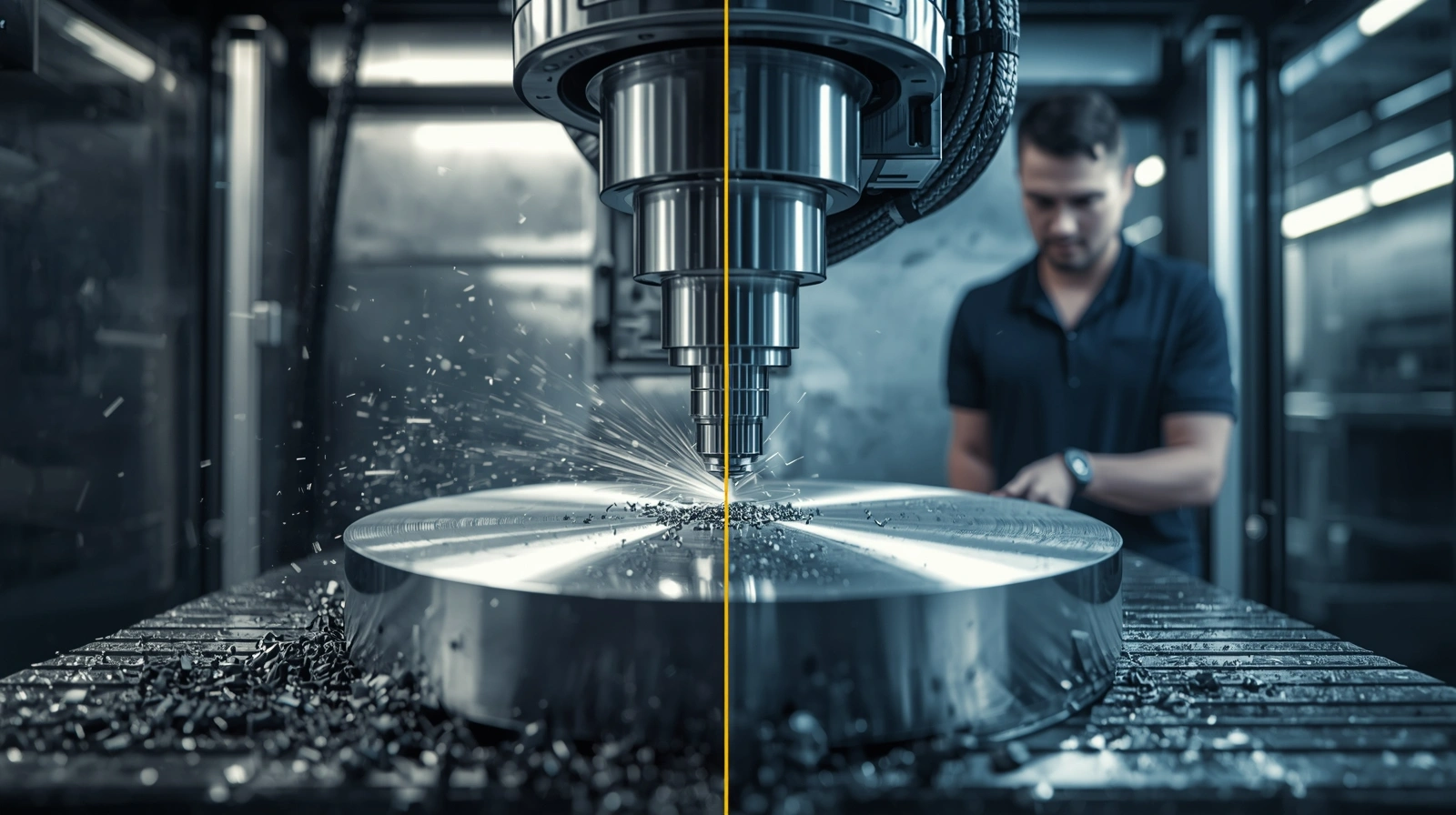
CNC vibration is the undesired oscillatory motion during machining work. Chatter, on the other hand, is a specific type of vibration that becomes unstable and self excited. Here are the key distinctions:

Vibrations:

  • Can be forced (external factors)
  • May remain stable

Chatter:

  • Self amplifying
  • Leaves a visible mark on parts
  • Can escalate quickly

Common Signs of Chatter in CNC Machines:

Chatter in CNC machining is often visible and audible. So here are the major signs of chatter in your CNC machine:

  • Premature tool wear or breakage
  • Wavy or rippled surface finish
  • Tool marks that repeat at regular intervals
  • Increases spindle load fluctuations
  • Loud, high pitched noise during cutting

Major CNC Chatter and CNC Vibration Causes:

1. Tooling Issues:

One of the major sources of CNC chatter vibration is tooling. Here are some of the common tooling related causes:

  • Worn or chipped inserts
  • Imbalance tooling
  • Excessive tool overhang
  • Improper tool holder selection

Here are the things that one needs to check:

  • Tool holder condition
  • Insert seating and clamping
  • Stick out length

The tooling issues mostly occur when a longer tool reduces rigidity, and lower rigidity increases deflection, which triggers vibration. 

2. Workholding Instability:

One of the factors that can amplify vibration quickly is poor workholding. Here are the typical problems with workholding that cause vibration or chatter in CNC machining:

  • Improper fixture design
  • Misaligned jaws or fixtures
  • Weak clamping force
  • Thin walled parts flexing

Even a rigid machine can face chatter if the workpiece is unstable.

Here are the things to inspect:

  • Fixture wear
  • Chuck condition
  • Hydraulic pressure consistency

3. Machine Rigidity and Wear:

Machine condition also plays a major role in the creation of CNC chatter vibration. Here are the key contributors:

  • Backlash in axes
  • Poor machine leveling
  • Worn spindle bearings
  • Loose guideways

Excessively used older CNC machines might show increased vibration tendencies.

Here are the major inspection tips:

  • Evaluate backlash values
  • Inspect the way covers and lubrication systems
  • Check for unusual spindle noise

4. Cutting Parameters:

An incorrect cutting parameter can often lead to triggering chatter. Here are the problematic settings:

  • Excessive depth of cut
  • Improper chip load
  • High spindle speed in unstable zones
  • Low feed rates are causing rubbing

Chatter also often occurs within certain unstable zones of spindle speed, and adjusting RPM slightly can sometimes eliminate the chatter entirely.

5. Material Behaviour:

One of the major CNC vibration causes is the properties of the materials. Here are some of the challenging materials:

  • Titanium alloys
  • Thin aluminium sections
  • Stainless steel

Here are the reasons why these problems cause issues:

  • Elastic deformation
  • Work hardening
  • Variable cutting forces

How to Detect CNC Vibration Early?

Earlier detection of CNC chatter vibration helps prevent more serious problems in the future. Here are the basic detection methods:

  • Visual inspection of parts
  • Monitoring spindle load
  • Operator listening

Here are the advanced methods:

  • Acoustic emission monitoring
  • FFT (frequency analysis)
  • Vibration sensors

Early detection helps in the reduction of:

  • Tool damage
  • Scrap
  • Machine wear

Using Sound as a Diagonistic Tool:

Sound is one of the fastest indicators of chatter in CNC machining. Here are things to listen for:

  • Rhythmic knocking
  • Sudden changes in cutting noise
  • High pitched squealing

Top Solutions for CNC Vibration Control:

1. Spindle Speed Optimization Techniques:

Optimizing the spindle speed is one of the best things to do to reduce CNC chatter. Here are the main techniques to follow:

  • Using stability lobe concepts
  • Slight RPM adjustments
  • Testing different speed ranges

But one thing to remember is that not all high speed causes chatter; some speed ranges are naturally stable. 

2. Reducing Tool Overhang:

One of the best CNC vibration solutions is the reduction of tool overhang, as it directly impacts rigidity. Here are the best practices:

  • Avoid unnecessary 
  • Use the shortest tool possible
  • Select rigid tool holders

The reduction of overhang will increase the stiffness and reduce the vibration amplitude. 

3. Strategic Adjustment of Feed Rates:

Feed rates play an important role in chip formation. But one mistake several operators make is running too low feed rates, which leads to rubbing instead of cutting. Here are better moves that you can make:

  • Adjust the feed rate along with the RPM
  • Avoid sudden feed changes
  • Maintain proper chip load

4. Depth of Cut Optimization:

Depth of cut impacts the cutting forces. So, here are the major strategies that one needs to follow for better machine vibration control:

  • Increase depth when stable to improve efficiency 
  • Reduce depth in unstable setups

The main thing is to get it balanced, as too shallow cuts may increase vibration in some cases. 

Also, if you are planning to get a used CNC machine, then check the collection of MachineStation. 

Conclusion: 

CNC machining shops often face problems in product quality due to vibration and chatter. But like every problem, it has solutions too. One needs to follow different machining practices, like feed rate optimization and spindle speed optimization, to ensure that their product doesn’t lose precision due to vibration.

FAQs:

1. What causes chatter in CNC machining?

Chatter usually occurs due to a combination of low rigidity, improper cutting parameters, and unstable setups. It becomes more likely when the tool overhang is excessive or when the machine structure cannot absorb cutting forces effectively.

Yes, spindle speed has a strong influence on chatter. Certain speed ranges can amplify vibration, while others can stabilize the process. Small adjustments in RPM often change the outcome significantly.

Yes, materials with variable cutting resistance or work-hardening characteristics can increase the likelihood of chatter during machining.

Search for products

Select Language
Product has been added to your cart