Home / Blogs / Fadal VMC 4020 HT vs Standard Fadal VMC Models: What’s the Difference?

Fadal VMC 4020 HT vs Standard Fadal VMC Models: What’s the Difference?

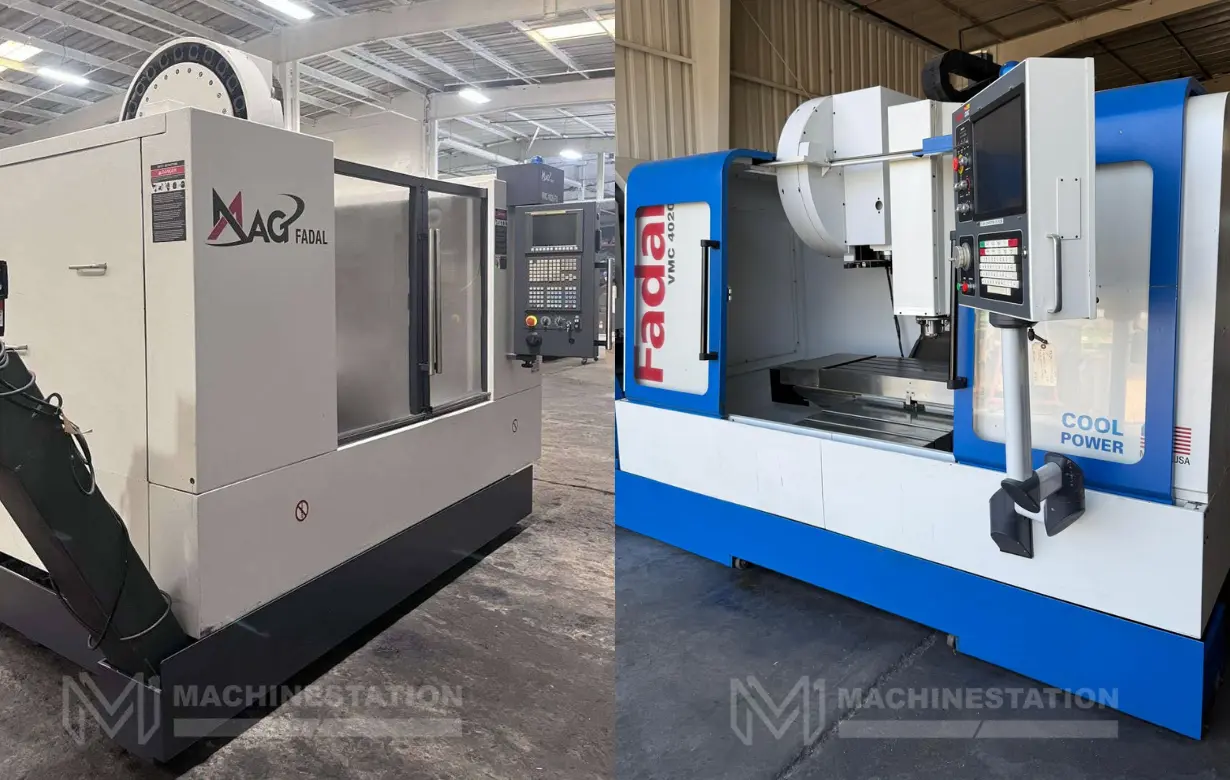
Fadal CNC machines are widely appreciated all across the world. They have different CNC machine series and models that customers use for their machining work, and celebrate. Among all the CNC machines of Fadal, the VMC 4020 HT has been able to make its own fan base. The machine is highly popular in the used CNC machines market, too. 

But why is it so popular, and why are manufacturers looking to get this model over other Fadal VMC models? In this article, we will give you all the answers about Fadal VMC 4020 HT vs Standard Fadal VMC CNC machines, to make you understand why this machine is so popular.
Fadal VMC 4020 HT vs Standard Fadal VMC – 4 Major Differences Explained:

1. Understanding the HT Designation: 

For choosing between Fadal VMC models, we need to understand what HT stands for in the 4020 HT model. The “HT” in the machine’s name stands for “High Torque.” This VMC 4020HT is engineered for low end grunt.

The other standard VMC models of the brand are made for all around machining work, balancing speed and power for a range of work. When the speed drops low, the torque on a standard belt drive machine starts to taper off. But this model, on the other hand, helps by providing more torque at lower speeds.

2. Construction and Rigidity: 

Both standard and HT versions of Fadal 4020 VMC have legendary box way construction compared to other modern machines that feature linear guides. The construction of these machines makes them suitable for heavy duty machining work and their vibration damping capabilities. 

But, one of the major Fadal 4020 HT performance differences includes the machine’s capability of handling more heavy duty work. This model is more rigid and helps in reducing vibration and deflection during machining work. 

3. Material Capabilities:

The next difference between the Fadal VMC 4020 HT vs standard Fadal VMC is their material handling capabilities. Material mix is one of the major factors where the HT model provides more value than other standard VMCs. 

Here are materials, the HT variant can do machining of: 

  • Stainless steel, titanium, inconel, and other hard components.
  • Carbon steel components.
  • Heavy duty roughing and tapping.
  • Large diameter tools and deep cuts. 

Standard VMC models can be used for:

  • Aluminium and other softer metals. 
  • Plastics.
  • Light steel work.
  • High speed, light duty works.

4. Cutting Strategy Flexibility:

The next thing you need to know for the Fadal VMC model comparison is its cutting strategy flexibility. The Fadal VMC 4020 HT model can provide more flexibility for mixed cutting strategies. 

When operators are switching between:

  • Pocket roughing
  • Heavy drilling
  • Face milling

They will find the HT’s high torque behaviour much more seamless. 

Standard VMCs of Fadal remain effective where toolpaths rely on speed rather than load. 

Which Model is Right for You?

Here is the model chosen for your manufacturing works:

Choosing standard Fadal VMC if:

  • You do machining with softer materials.
  • You mostly do general purpose machining.
  • You focus on budget and simplicity. 

Choosing Fadal VMC 4020 if:

  • You work with hard materials like stainless steel.
  • You need high versatility and upgradability.
  • Heavy roughing and large tools are common. 

So, if you are now planning to take a Fadal VMC 4020 HT CNC machine for your shop, then check the collection of MachineStation.

Conclusion: 

The Fadal VMC 4020 HT is a very well appreciated CNC machine, and is often in high demand in the used CNC machines market too. The machine is highly capable, and buying it can also help you improve your machining capabilities.

FAQs:

1. Is the Fadal VMC 4020 HT suitable only for heavy materials?

No, while the HT version is often evaluated for steel and cast iron applications, it can still machine aluminum and other lighter materials. The difference lies in how efficiently it handles heavier cuts.

HT models typically use spindle and drive setups that prioritize torque delivery, whereas standard models often emphasize higher spindle speeds.

Most HT and standard models use the same or similar Fadal control platforms, so operator interface and programming workflows are largely consistent.

Select Language
Product has been added to your cart