Home / Blogs / Haas Vertical vs Horizontal CNC Mill Machines: Which One Should You Choose?

Haas Vertical vs Horizontal CNC Mill Machines: Which One Should You Choose?

Haas has a vast collection of various CNC machines. Among them, there are the milling machines of the brand that have impressed manufacturers of different industries of different scale from small manufacturers to large scale manufacturing facilities.

The milling machines are divided into two segments, which are horizontal and vertical CNC machines. The Haas has hugely popular models in both the milling machines segment. But then the question comes, which one is for you? The answer is something you can get only after understanding your own manufacturing requirements. But to know the major differences between a Haas vertical machining center vs horizontal machining center, read this blog to the end.
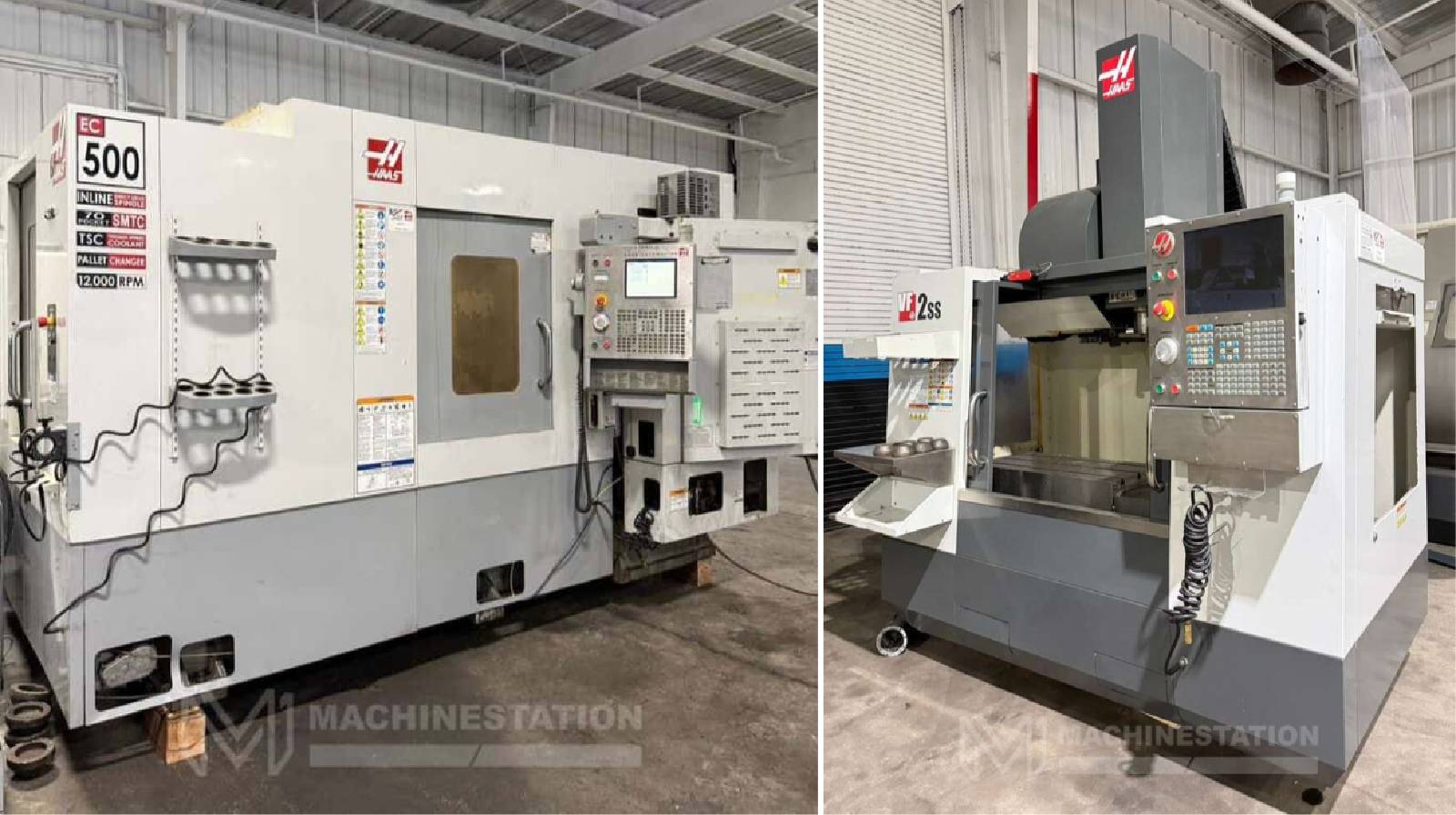
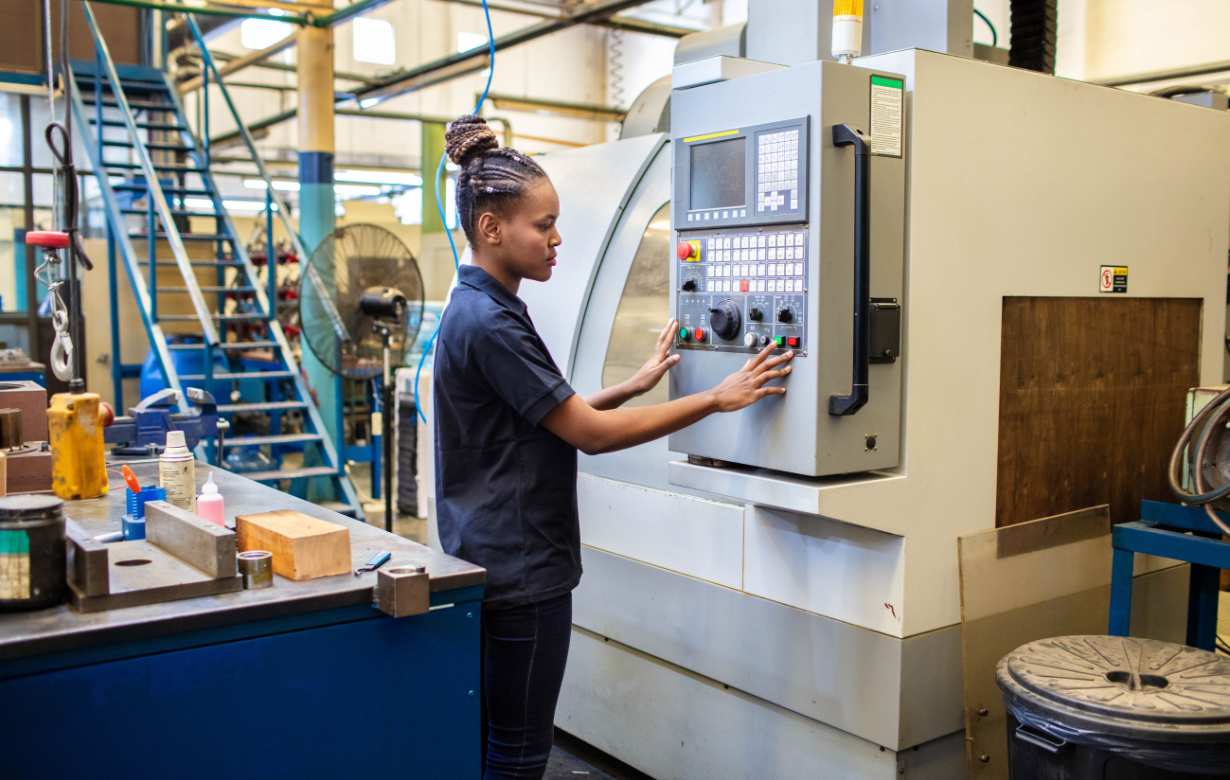
Top Differences Between Haas Vertical Machining Center Vs Horizontal Machining Center:

1. The Core Differences:

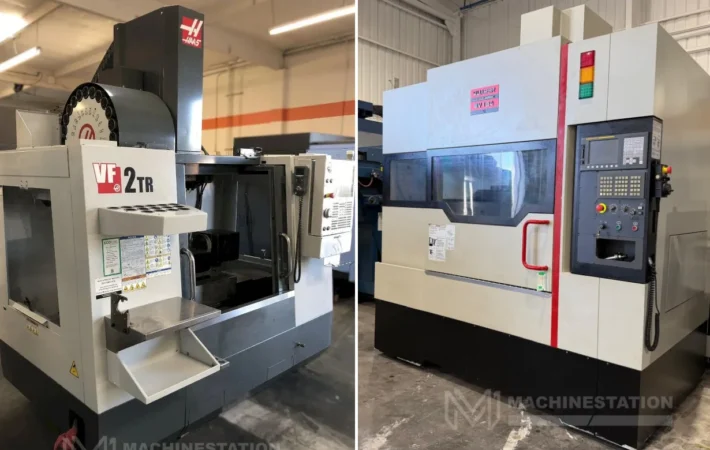
The first factor of Haas horizontal vs vertical mill differences will be the core design differences between the two machines. Core features of Haas vertical CNC machines:

  • Vertical orientation of the spindle
  • Cutting tool approaches the material from the top
  • Mostly workpieces are mounted on a flat table

Core features of the Haas horizontal CNC machines:

  • Horizontal orientation of the spindle
  • Cutting tool approaches the material from the side
  • Workpieces are mounted on pallets or tombstones

2. Floor Space and Layout Considerations:

The next factor for the difference between vertical vs horizontal CNC milling machines of Haas is the footprint of the CNC machine and its layout considerations. For vertical CNC machines:

  • Fits well in compact shop layouts
  • Generally have a smaller footprint
  • The machines are easier to move and relocate

For Horizontal CNC machines of Haas:

  • The machines generally need more surrounding clearance
  • Pallet systems need additional space
  • The machines are often integrated into dedicated cells

3. Part Geometry and Machining Style:

The next factor for Haas VMC vs HMC comparison is the types of parts that are manufactured using these CNC machines. The vertical machines are commonly used for:

  • Flat parts
  • Shallow cavities
  • Plates and fixtures
  • Simpler 2.5D and 3D parts

The horizontal mills are mostly used for:

  • Multi sided components
  • Boxed design parts
  • Deep pocket machining works

4. Cost Differences in the Used CNC Market:

Also, one of the major factors of the  Haas vertical machining center vs horizontal machining center is their average pricing in the used CNC machine market. Used Haas VMC in the used market:

  • More supply in the used market
  • Easier to source quickly
  • Broader price range depending on machine specs

Used Haas HMC in the used market:

  • More acquisition cost
  • Limited availability
  • Often includes pallet systems

One should also factor in the tooling and fixturing costs with the CNC machine costs. Also, if you are looking for an affordable and reliable Haas VMC, then you can buy used Haas VF-0 from MachineStation’s collection.

Conclusion: 

Haas has different machines in their VMC and HMC lineups. The machines have different features and specifications, so when one needs to choose one among all of those machines, they should first understand what their manufacturing works need and then make the call.

FAQs:

1. Which is easier to operate: a Haas vertical or horizontal CNC machine?

Haas vertical CNC machines are generally easier to operate, especially for new machinists. The work area is more visible, setups are simpler, and most operators are already familiar with vertical machining centers.

Most small job shops prefer Haas vertical CNC machines because they are flexible, occupy less floor space, and can handle a wide variety of parts. Vertical machines also allow quicker job changeovers, which is important for shops that handle mixed or custom work.

Haas horizontal CNC machines typically require a higher initial investment in fixturing. Tombstones and multi-face fixtures are commonly used to take advantage of the horizontal design.

Quick Contact

Please enable JavaScript in your browser to complete this form.
Are you a Reseller?
=

Select Language
Product has been added to your cart