Home / Blogs / High-Speed Machining vs High-Torque Machining: When to Use Each

High-Speed Machining vs High-Torque Machining: When to Use Each?

Different parameters of CNC machining need to be applied and altered for various kinds of CNC machining work. Two such important parameters of the CNC machine are speed and torque, which need to be adjusted for different materials and different products. While some machining work needs high speed, some need high torque. Also, using them at the right time is essential for proper machining, or the whole material will be wasted. So, if you are a machinist looking to understand the difference between high speed machining vs high torque machining, then read this blog till the end.
What is High Speed Machining?

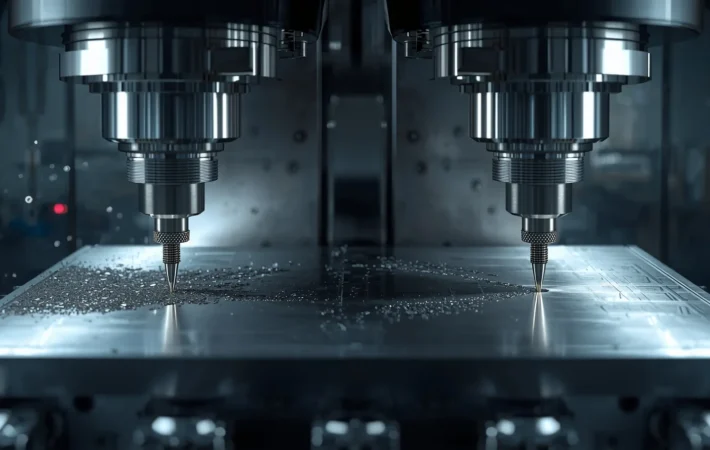
Let’s start the comparison of high speed machining vs high torque machining by understanding the definitions of these two styles of machining. Firstly, high speed machining is the style of operation that involves significantly elevated spindle speeds and feeds. Here are the key characteristics of high speed machining CNC works:

  • Spindle speeds typically above 10000 RPM
  • High feed rates with small chip load
  • Often used with advanced CAM strategies
  • Light radial and axial depth of cut
  • Emphasis on toolpath optimization

What does it look like in practice?

  • Minimal tool pressure
  • Continuous tool engagement
  • Reduced heat concentration at the cutting edge
  • Smooth, flowing toolpaths

Materials commonly machined:

  • Composites
  • Aluminium
  • General steels
  • Plastics

What is High Torque Machining?

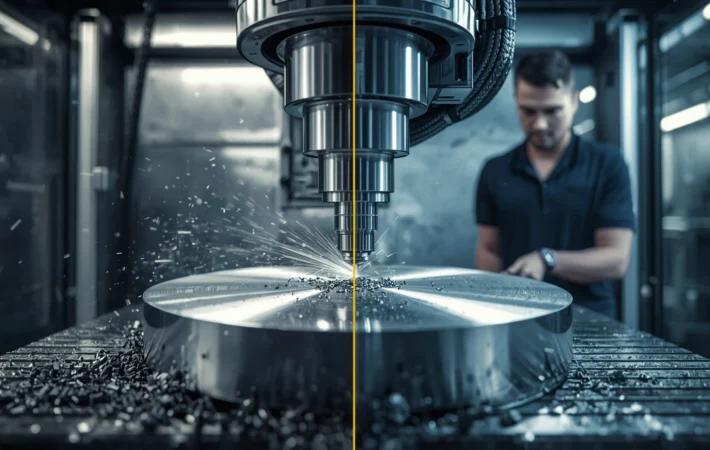
High torque machining CNC works are done with low spindle speeds, but with higher cutting forces and deeper cuts. This technique is useful when working with tough materials. Here are the key characteristics of high torque machining CNC works:

  • Lower RPM ranges
  • Deep axial cuts
  • Strong emphasis on rigidity
  • High torque output at lower speeds
  • Heavy material removal per pass

What does it look like in practice?

  • Slower tool movement
  • Aggressive cuts
  • Higher cutting forces
  • Higher spindle load

Materials commonly machined:

  • Titanium
  • Cast iron
  • Stainless steel
  • Large still billets
  • Inconel and other super alloys

Machine Requirement for High Speed Machining:

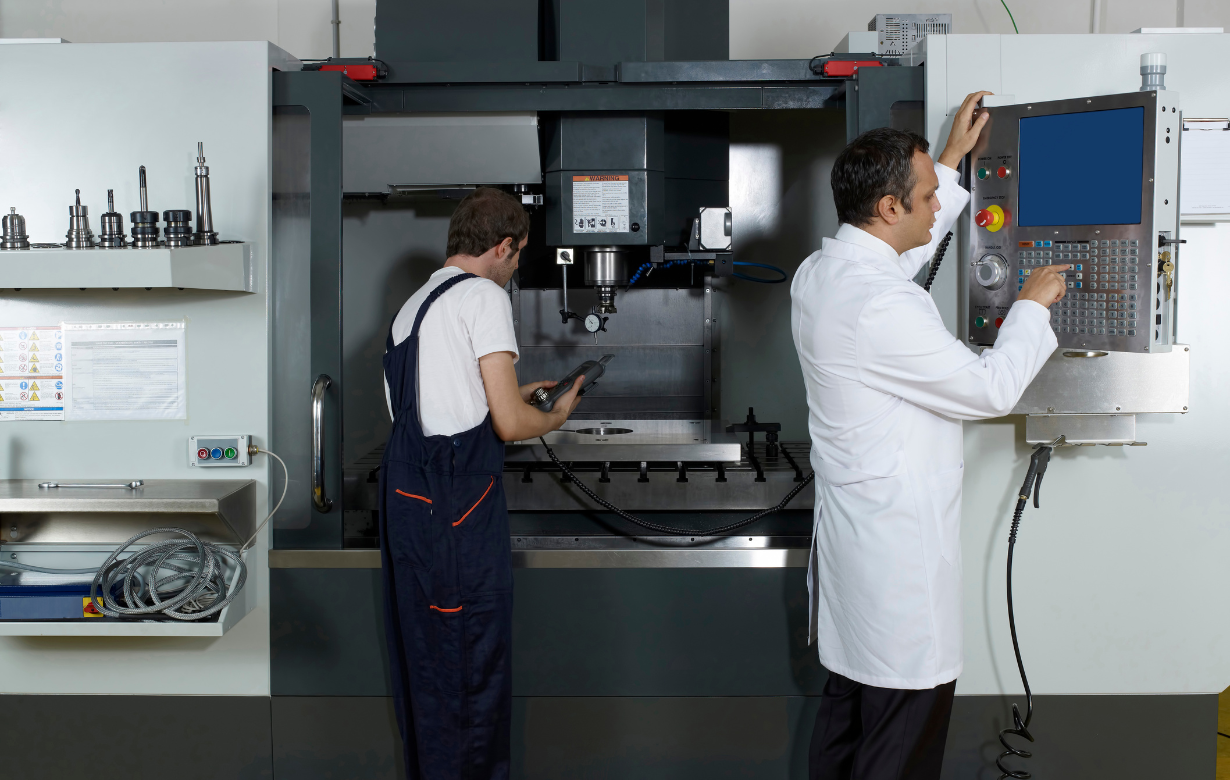
There are different types of CNC machines that are suitable for these two different CNC machining strategies. For running HSM successfully, machines need specific design features.

Spindle design:

  • Higher RPM capability
  • Low vibration characteristics
  • Balanced spindle assembly

Axis motion:

  • High rapid traverse rates
  • Smooth interpolation
  • Fast acceleration and deceleration

Structural Considerations:

  • Precision linear guides
  • Thermal stability
  • Lightweight moving components

Machine Requirement for High Torque Machining:

HTM places different demands on the CNC machine. 

Spindle design:

  • Heavy duty bearings
  • High torque output at low RPM
  • Gear driven or dual range gearboxes

Machine Structure:

  • Strong column and base
  • Rigid casting
  • Box ways or heavy linear guide systems

Power capability:

  • Stable torque delivery under load
  • High horsepower motors

So, when you are choosing one strategy between high speed machining vs high torque machining, the machine requirements are also going to be different. 

Tooling Differences Between HSM and HTM:

Tool strategies also change immensely between the two CNC machining strategies. 

HSM Tooling:

  • High flute count for finishing
  • Smaller diameter tools
  • Optimized for heat resistance
  • Carbide end mills with coatings

HTM Tooling:

  • Indexable tooling
  • Designed for heavy load conditions
  • Large diameter cutters
  • Strong tool bodies

Heat Management Differences:

Heat generation and management requirements are hugely different between these two CNC cutting methods. 

In high speed machining:

  • Less heat transfer to the tool
  • Dry or minimal lubrication is often possible
  • Heat is carried away by chips

In high torque machining:

  • Requires coolant for stability
  • Tool wear increases if heat is not controlled
  • Heat builds up in the cutting zone

Surface Finish Outcome Differences:

Surface finish is also dependent on the two different CNC cutting methods. 

HSM surface finish:

  • Reduced tool marks
  • Smoother finishes
  • Suitable for finishing operations

HTM surface finish:

  • Rougher finishes
  • Requires secondary finishing
  • Primarily used for roughing

When to Use High Speed Machining?

A high speed machining strategy can be followed in different scenarios, like:

  • You are working with lightweight materials like aluminium, plastics and composites
  • You need to achieve a superior surface finish
  • You want to machine thin walled parts

When to Use High Torque Machining?

 A high torque machining strategy can be followed in other scenarios, which include:

  • You want to do heavy roughing works
  • You handle tough materials like titanium, stainless steel, and Inconel
  • You face machining situations requiring high axial depths 

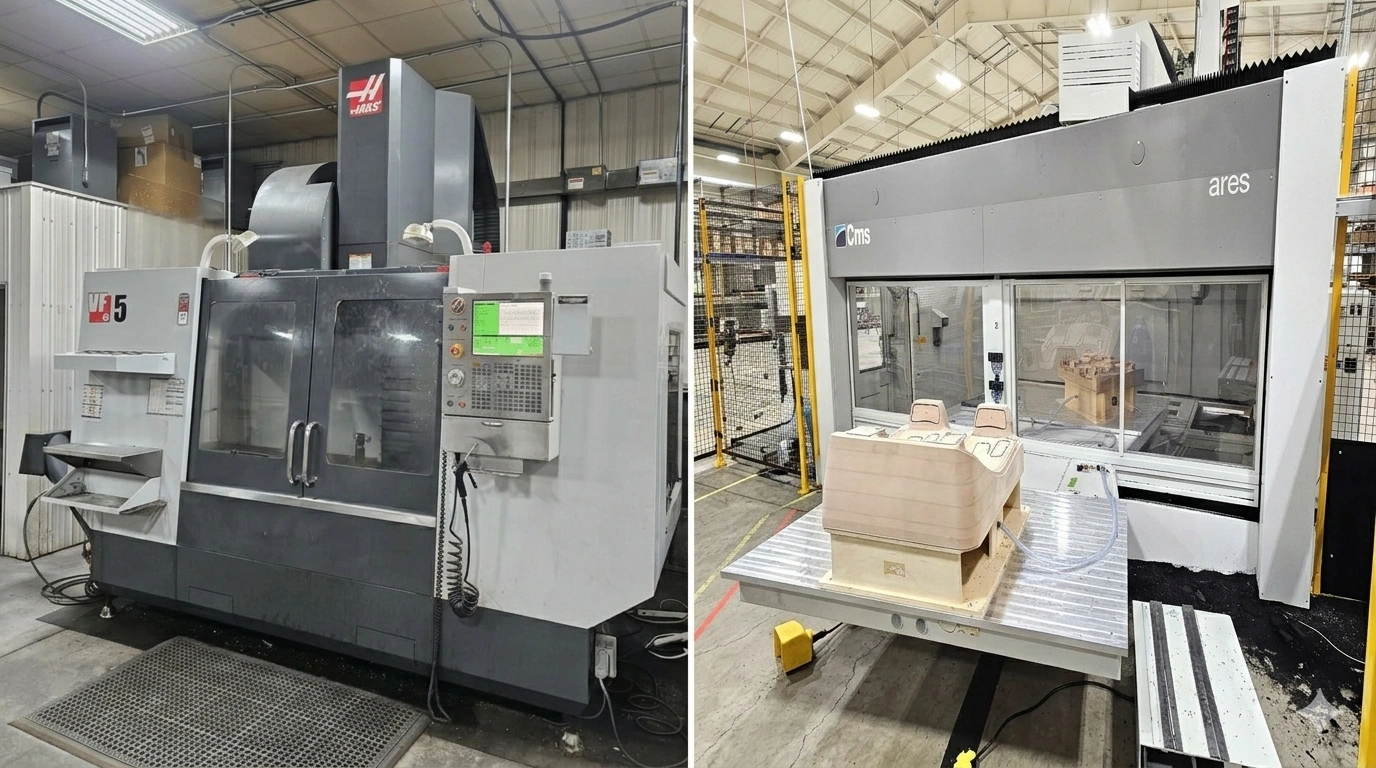
In case you are looking for a CNC machine to do any of these kinds of machining work, then check MachineStation’s collection of used CNC machines

Conclusion: 

High speed machining and high torque machining are two very different CNC cutting strategies that are used for different machining results. As a manufacturer, one needs to understand what materials they are machining and what results they are expecting, and then they will be able to select the right machining strategy. 

FAQs:

1. Can one CNC machine handle both high-speed and high-torque machining?

Yes, many modern CNC machines are designed to operate across a wide RPM and torque range. However, performance depends on spindle design, machine rigidity, and control system capability. Machines with dual-range gearboxes or wide power bands are typically more adaptable.

High-speed machining generally applies lower cutting forces, which can reduce mechanical stress. However, it introduces higher spindle speeds, which require precise maintenance. High-torque machining increases structural load on the machine.

A spindle with a wide power band or a gearbox-driven system can support both strategies. The ability to maintain torque at low RPM while also reaching higher speeds provides flexibility for different operations.

Search for products

Select Language
Product has been added to your cart