Home / Blogs / How do I ensure the accuracy of a CNC machined part?

How do I ensure the accuracy of a CNC machined part?

AI is changing every industry in the world, and manufacturing is no different. Traditional manufacturing methods are now being impacted with the help of automation. AI manufacturing methods are now being used by different machining facilities in place of traditional manufacturing methods, but they have their own drawbacks, too. So, it is very important to realize both the differences and advantages of both AI vs traditional manufacturing so that one can make the right decision. In this article, we are going to discuss all the differences between traditional and AI-based manufacturing, so that you can make the right decision about choosing the right machining method for your business
How do I ensure the accuracy of a CNC-machined part

Factors affecting CNC part accuracy: 

  1. Tool selection and condition: The tool you choose for machining, its condition, and the wear and tear on it directly affects the accuracy of the part being machined. 
  2. Material properties: The material that you are machining, and its properties like whether it is hard or soft hugely impact the accuracy of the product that is to be made out of it. 
  3. Machine calibration and maintenance: It is very important to calibrate your machine more frequently which will ensure that the machine axes and the system work perfectly in sync to produce accurate measurement parts. 
  4. Environmental conditions: Temperature leads to expansion and shrinking of both the machine and the workpiece, which eventually leads to dimensional variations. 
  5. Machine design and rigidity: The design of the machine, like the bed and support structure, directly affects the vibration dumping and stability of the machine, which are extremely important for maintaining accuracy. 

Best practices to ensure the accuracy of a CNC machined part

Now, let’s jump into finding the answer to the main question that we started with how can we ensure the accuracy of a CNC machined part:

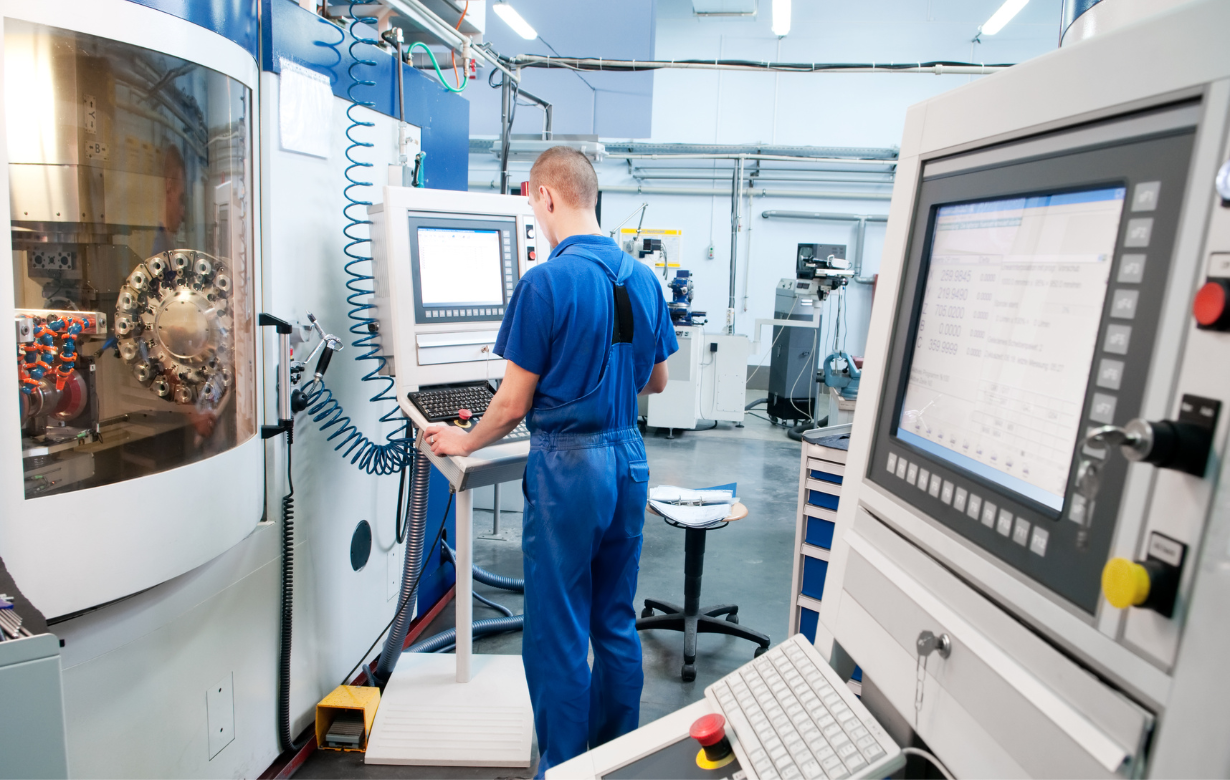
  1. Regular machine calibration and maintenance: CNC machines rely heavily on different mechanical parts like ball screws, spindles, and axes. Now, if you want to bring accuracy to your machining then you will have to calibrate these parts and make sure you can catch any drift in those machines at the earliest.
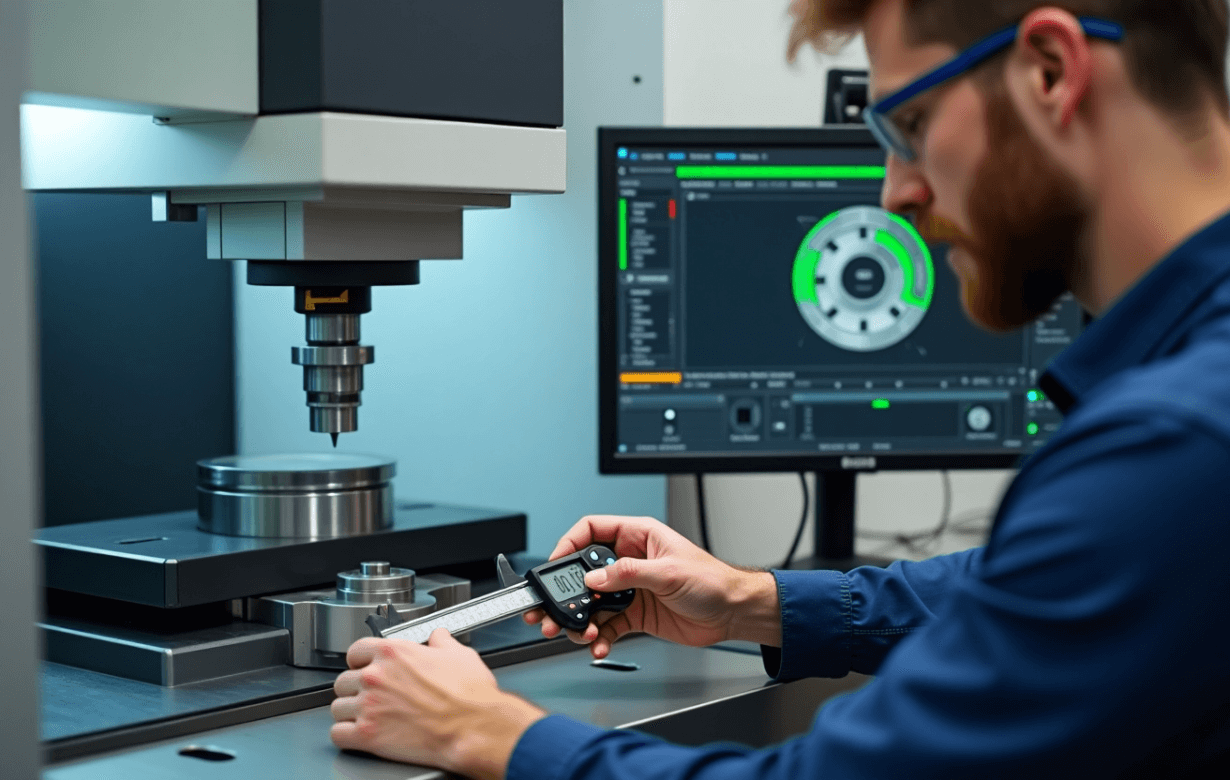
    Make sure all your axes are aligned in the right way, you can start by using measuring tools like a dial gauge and micrometer the travel distance of each axis. You can also use laser interferometry and ball bar testing to check and adjust the machine’s position accuracy.
    It is a great idea to set up a proper calibration schedule to check if there’s any runout of the axes or any issues with the alignment of the spindle. If you are in a tight tolerance manufacturing business then you should use laser alignment annually or even more frequently.
  2. Environmental control: Thermal effects can be hugely influential in determining the accuracy of a CNC machined part. Materials expand approximately 1.1 × 10⁻⁶ m/(m °C). For a 100 mm steel part, a 10 °C rise adds ~10 µm—huge if you’re aiming for H7 or micron-level tolerances.
    Different other thermal factors like spindle heat, chip loads, and ambient temperature, all help in the deformation of the machine structure subtly. It is very important to keep the machining environment at a stable and optimal temperature. For that, it becomes very important to use the right water or oil based coolants during the machining to ensure proper accuracy of the CNC machined part.
  3. Precision tooling and tool management: To ensure the accuracy of every part that you are machining with the help of your CNC machine, you need to make sure that you are using the highest quality of tools. You should use tools made up of carbide or High Speed Steel, for better durability and performance. High end tools help in reducing the chipping and maintaining tight geometries.
    But only owning good tools isn’t going to get the job done, you will have to work highly on tool management for better results. Clean the tool holder properly before installing the tool. Use a torque wrench to secure the tool, and check for runout using a dial indicator. Continuously monitor the tool’s health, and make sure to replace it every once in a while for the best production quality.
  4. Machining parameters and toolpaths: Doing the right programming to generate the toolpath and using the right machining parameters for the right job is also essential to accurately machine a part using a CNC machine. You need to optimize the cutting feeds and speed for better results. Choose speed or feed tailored for material property and geometry, use smaller cuts with cautious feed rates, and use lubrication to minimize friction.
    Then you need to focus on the right programming like efficient G-code programming which will reduce unnecessary tool movements, minimizing the cycle time, and potential for error. Use CAD/CAM tools to simulate the machining process, so that you can find out potential problems even before the programming starts.
  5. Fixturing and work holding: Ensuring the accuracy of the product needs working on fixturing and workholding. A shaky part will damage your final product, so use strong fixtures, proper locators, and even clamping forces to ensure proper fixturing. If working with delicate parts then use design fixtures with soft jaws or flexible locators to avoid warping.
    You need to focus on the clamping strategy too. You will have to balance clamp forces because using too weak can cause movement and using too strong could distort. You will prioritize jigs, kinematic locators, and dowels to fix locations accurately. Using rigid base plates, or mill clamps with damping can help to reduce vibration, further helping in maintaining the precision of machining.
  6. Real time monitoring and inspection: Lastly you can use inspection and real time monitoring systems for better and more accurate product finishing. Sensors and automated data analytic systems help with that. Temperature, vibration, and cutting force censors provide instant feedback. Systems like Tool Condition Monitoring (TCM) help detect tool breakage or chipping during cuts.
    If you want more high end precision, then data from IoT and industry 4.0 systems allow for instant compensation and monitoring. Finally, don’t forget to use calibrated instruments to ensure all parts are meeting the required tolerances.

Conclusion: 

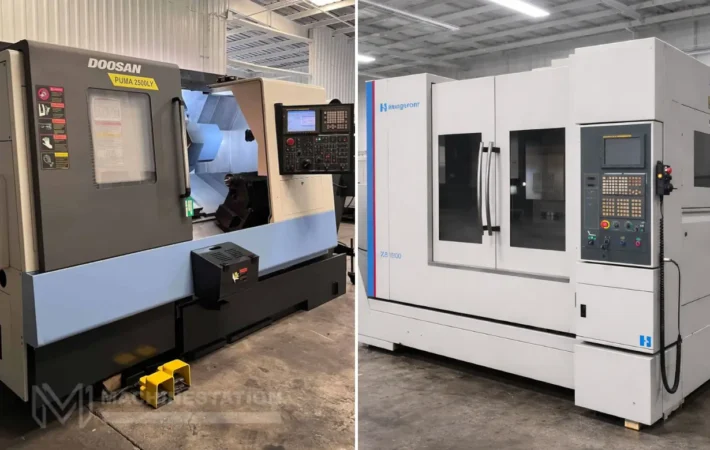
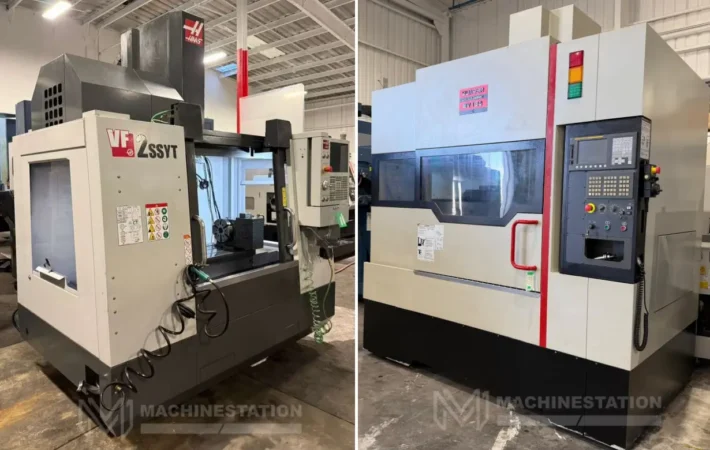
Ensuring the accuracy of CNC machined products is not that easy job, it needs to follow a lot of strict guidelines as we mentioned in this article. Also getting high quality, high precision CNC machines is the most important factor for making products with constant accuracy. So, if you are looking for used high precision CNC machines then check out our collection of Used Daewoo Doosan CNC Machines.

Quick Contact

Please enable JavaScript in your browser to complete this form.
Are you a Reseller?
=

Select Language
Product has been added to your cart