
Home / Blogs / How Thermal Growth Affects CNC Accuracy During Long Runs?

How Thermal Growth Affects CNC Accuracy During Long Runs?

CNC machining accuracy is often hampered due to different reasons. One of the major things that affects the accuracy of your products is thermal growth. Manufacturing is a complex process, especially using a CNC machine, which generates high heat at different times. So, this high heat can cause deflections in the precision of the product being manufactured. There are also different solutions to this problem. So, if you are questioning how thermal growth in CNC machines can affect the accuracy, especially during long runs, then read this blog till the end.
What is Thermal Growth in CNC Machines?

Firstly, we need to understand what thermal growth is. So, thermal growth refers to the expansion of machine components due to heat. The heat is generated from:

  • Axis motor activity
  • Cutting friction
  • Ambient shop temperature
  • Spindle rotation
  • Ball screw movement

As the temperature increases:

  • Metal components expand
  • Machine geometry shifts slightly

Even microns of expansion can affect:

  • Surface finish
  • Tool positioning
  • Part finishes

Why Does Thermal Growth Become More Significant in Long Runs?

The next thing we are going to talk about is how thermal growth is a much more important factor for shops doing long run machining operations. Short cycles often mask thermal issues; long production runs expose them.

  • Machines gradually heat up over time
  • Temperature stabilizes after a certain period
  • Expansion continues until equilibrium is reached

Key impact:

  • Dimensional drift occurs gradually
  • The first few parts might be different from the later parts

This is more specifically relevant in:

  • Medical parts
  • Aerospace components
  • Tight tolerance production jobs

Key Machine Parts Affected by Thermal Growth:

Thermal growth in CNC machines affects various parts of the machine. The critical CNC components that get affected are:

  • Spindle housing
  • Ball screws
  • Machine frame (cast iron structure)
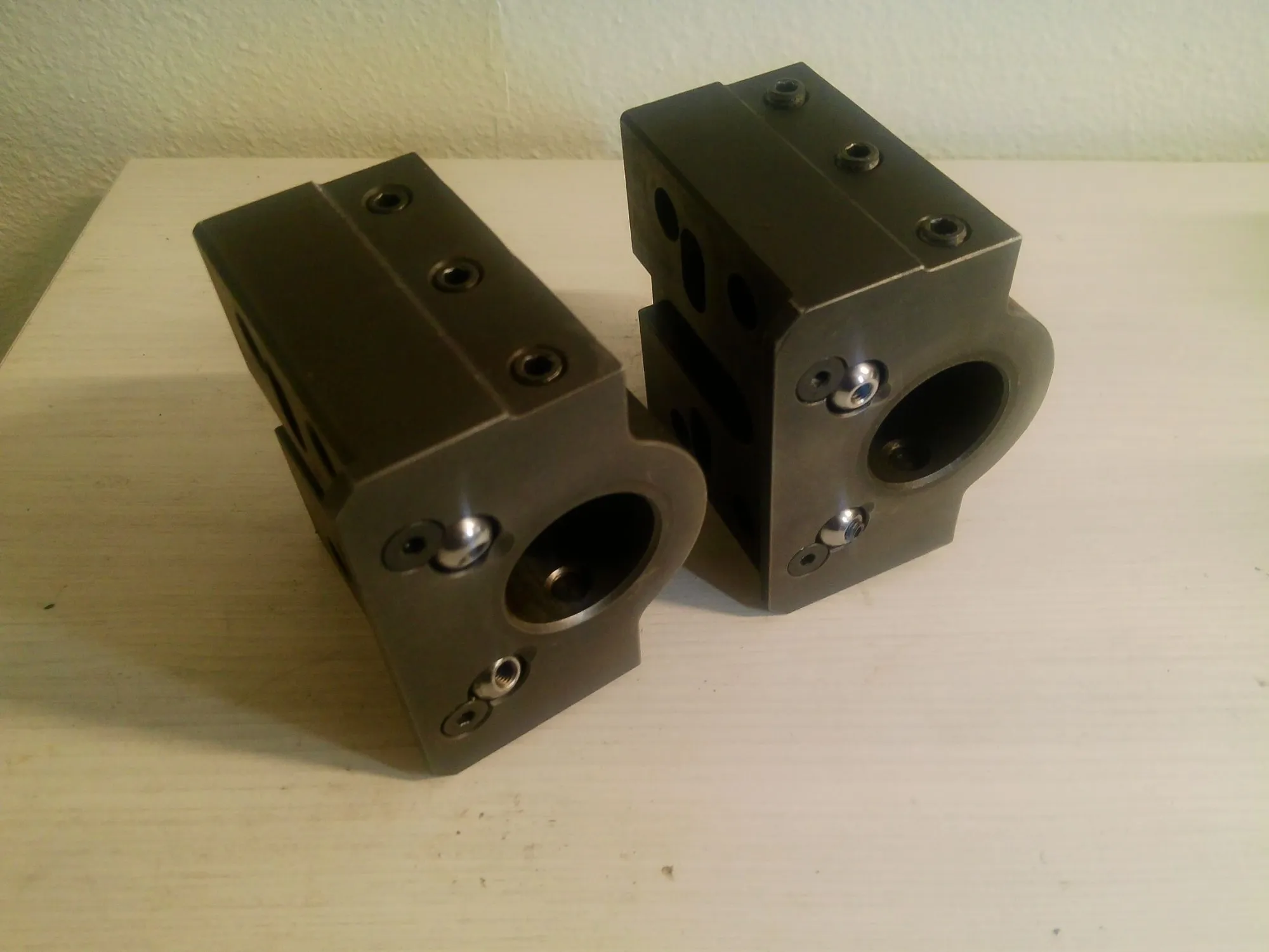
  • Tool holders and tooling
  • Linear guides

Each component expands  in different ways depending on:

  • Load conditions
  • Material type
  • Heat exposure

Top Ways How Thermal Growth Affects CNC Accuracy During Long Runs:

1. Spindle Growth:

The spindle is one of the critical parts of the CNC machine. It is also one of the primary heat sources that causes CNC accuracy issues. 

  • High RPM generates significant heat
  • Bearings and lubrication systems also contribute to heat generation

The  main effects of that are:

  • Spindle elongates along the Z-axis
  • Tooltip positions shift upward and downward

The results of these are:

  • Depth-of-cut variations
  • Surface finish variation
  • Inconsistent bore depths

This is particularly noticeable in long machining cycles.

2. Ball Screw Expansion:

Ball screws are constantly moving during machining operations. This leads to the creation of friction. Friction causes heat generation. Heat generation causes elongation. The impacts of these are:

  • Repeatability is affected
  • Axis positioning shifts slightly

Example:

  • X or Y axis grows – hole positions drift
  • Z-axis screw grows – depth inconsistencies

This gives rise to CNC accuracy issues. 

3. Machine Frame Expansion:

One of the major thermal growth in CNC machines’ effects is faced by the machine frame. The machine base and column absorb and retain heat. 

  • Cast iron expands slowly and significantly over time
  • Uneven heating causes distortion

The impacts of all these are:

  • Alignment errors develop
  • Squareness between axes may change

This can lead to:

  • Out of round features
  • Angular inaccuracies
  • Taper in the turned parts

4. Tool and Tool Holder Expansion:

Cutting tools also experience the heat buildup. Heat comes out from the cutting forces; chips carry away some heat, but not all. Effects of this include:

  • Tool length increases slightly
  • The tool diameter may also expand

Impact of this includes:

  • External dimensions may drift
  • Bore sizes can change

This becomes more noticeable in:

  • Continuous cutting operations
  • High speed machining works

How Shop Conditions Cause Thermal Growths?

Thermal growth is not just because of internal factors, but external factors also matter. Different shop conditions often lead to thermal growth in CNC machines. The factors can be:

  • Shop temperature fluctuations
  • Machine placement near heat sources
  • Airflow and cooling inconsistencies

The impact of all these problems includes:

  • Warm up time varies daily
  • The machine starts at different baseline temperatures

Consistency becomes difficult to achieve without controlled conditions. 

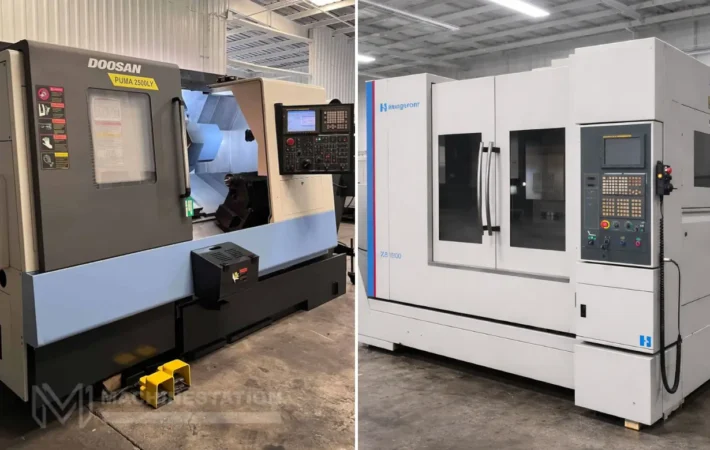
Also, if you are planning to get a used CNC machine for your machining shop, then check MachineStation’s collection. 

How can Thermal Growth be Prevented?

1. Warm Up Cycles and Their Role in Stabilizing Accuracy:

Warm up cycles play an important role in the reduction of this thermal variation. In the warm up cycles, machines are run idle before production. Axes and spindles reach operating temperatures with the help of this. The benefits of the warm up cycle include:

  • Reduction of initial drift
  • Improves repeatability

Without a proper warm up:

  • Adjustments are needed in mid run
  • The first parts are often out of tolerance

So, one of the effective methods of CNC temperature control is doing a warm up run.

2. Thermal Compensation Systems in Modern CNC Machines:

Modern CNC thermal compensation systems are one of the helpful features that help bring CNC long run accuracy. Many modern machines include features. 

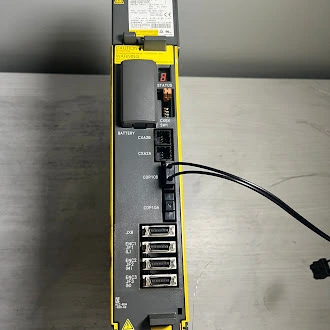
  • Sensors are used for monitoring temperature changes
  • The control system adjusts the axis positioning

Some of the common systems are:

  • Axis compensation algorithms
  • Spindle growth compensation

Limitations of these thermal compensation systems are: 

  • Effectiveness depends on calibration
  • Older machines might not be compatible with these CNC thermal compensation systems

3. Role of Coolant in Thermal Stability:

Another major factor that helps in curbing thermal growth in CNC machines is CNC coolant. Coolant helps in regular temperature. 

  • Removes heat from the zone of cutting
  • Reduces the temperature of the tool

However:

  • Poor coolant maintenance reduces effectiveness 
  • Inconsistent coolant flows affect stability

4. Machine Design Effect on Thermal Stability:

Designs of some CNC machines are meant to handle heat better. So, thermal stability can also be affected by the overall design of the machine that you have bought.

  • Box ways retain heat differently from linear guides
  • Symmetrical structures expand more uniformly

Here are the factors that influence the stability:

  • Structural rigidity
  • Material quality
  • Heat dissipation design

5. Programming Strategies to Reduce Thermal Impact:

Machining strategies also affect heat generation. So, it is important to use proper programming strategies for reducing CNC accuracy issues due to thermal deformation. 

  • Continuous heavy cuts increase the temperature
  • Intermittent cutting allows cooling

Some major strategies include:

  • Reduced cycle heat buildup
  • Optimized spindle speeds
  • Balanced toolpaths

Conclusion: 

Thermal growth or thermal deformation is a major factor that often affects CNC product accuracy, especially for long term machining runs. This is a problematic issue for shops that do high precision CNC machining work. While it cannot be eliminated, it can be properly managed and reduced using the right methods. 

FAQs:

1. How much thermal growth can affect machining accuracy?

Thermal growth can cause deviations in the range of a few microns to several microns, depending on the machine, operating time, and cutting conditions. Even small changes can impact tight-tolerance parts.

Thermal growth cannot be completely eliminated because it is a natural result of heat generation. However, its impact can be reduced through proper practices and machine features.

Thermal compensation systems use sensors to monitor temperature changes and automatically adjust axis positions to account for expansion.

Search for products

Select Language
Product has been added to your cart