Home / Blogs / How to Choose the Right Used CNC Machine for Your Production Needs

How to Choose the Right Used CNC Machine for Your Production Needs

Buying a used CNC machine is not simply about finding a machine at the right price. The machine also needs to match your parts, materials, production volume, required accuracy, and existing shop setup.

A machine that looks attractive on paper may not be suitable for your actual production requirements.

If you are wondering how to choose a used CNC machine, the best approach is to start with your production needs and then evaluate the machine’s specifications, condition, and overall cost.

Here is a practical used CNC machine buying guide to help you make that decision.
1. Start With What You Need to Produce

Before searching through used CNC machinery, define your production requirements.

Consider:

  • What type of parts will you manufacture?
  • What are the maximum part dimensions?
  • What materials will you machine?
  • What tolerances do you require?
  • How many parts will you produce?
  • Which machining operations are required?

For example, a shop producing large aluminum components may need different machine capabilities than a shop producing small steel parts.

Your production requirements should determine the machine—not the other way around.

2. Choose the Right Machine Type

The next step in CNC machine selection is choosing the machine configuration that matches your work.

Common options include:

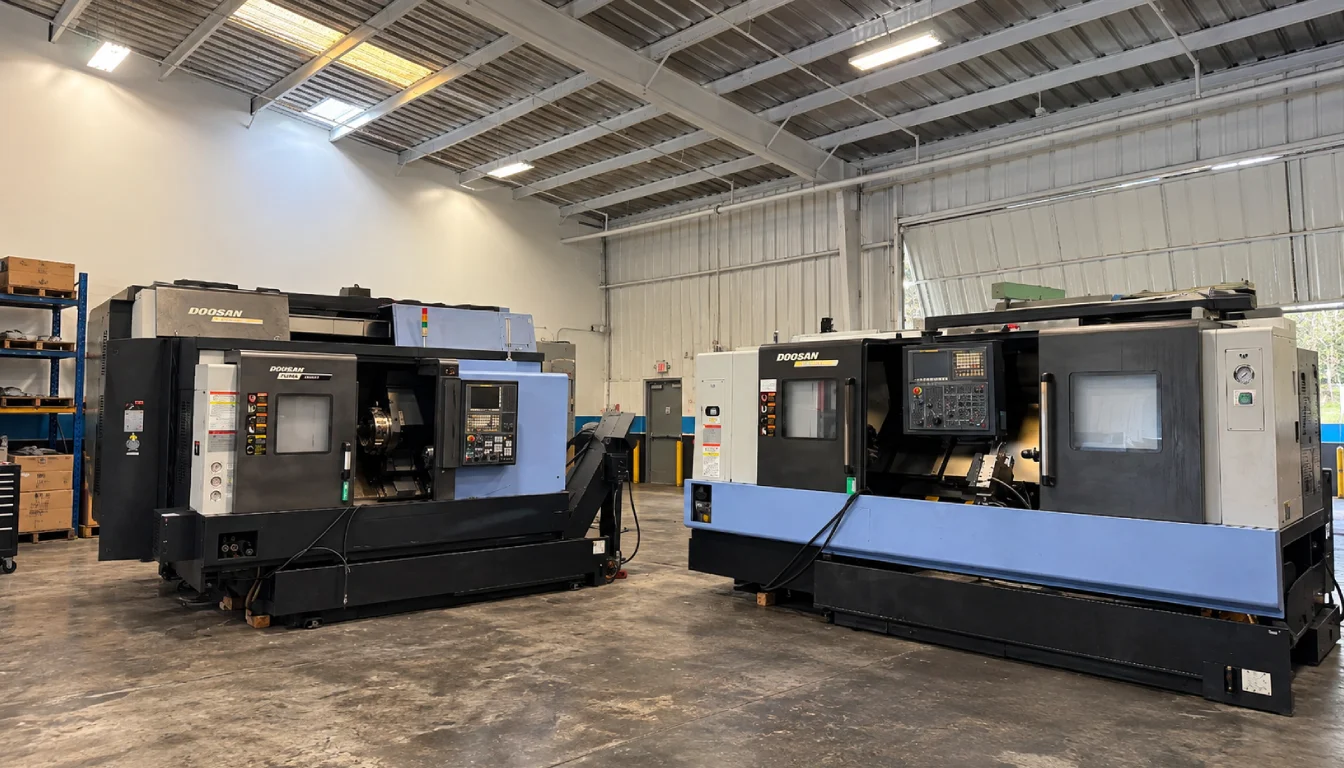
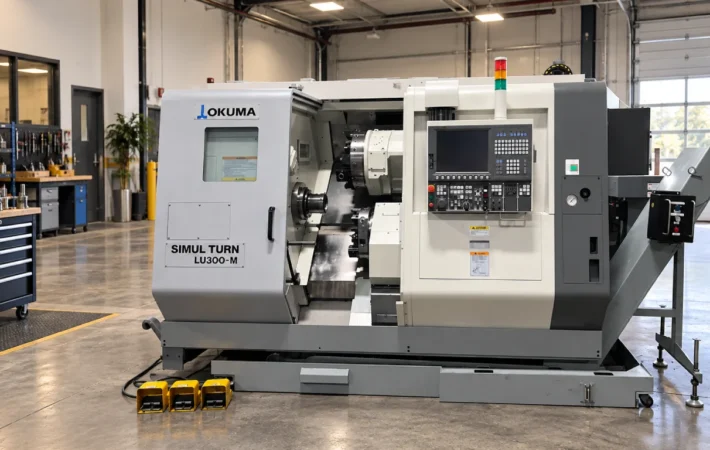
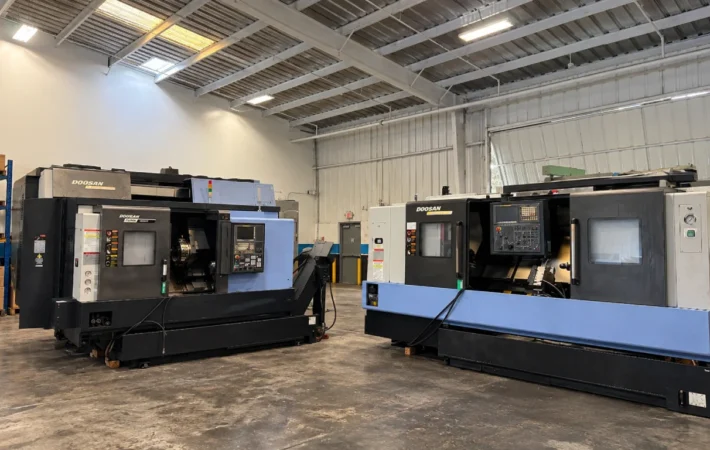
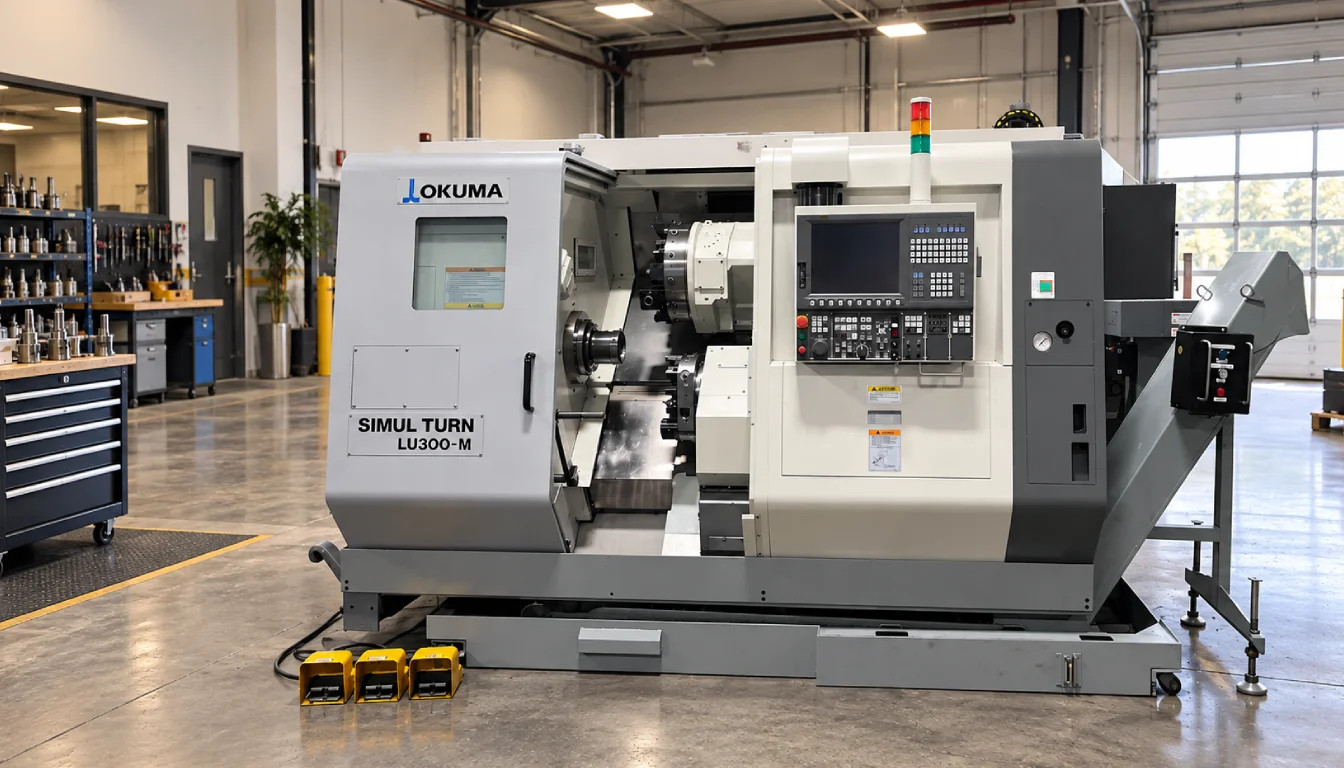
  • CNC Lathes / Turning Centers – primarily for cylindrical and rotational parts.
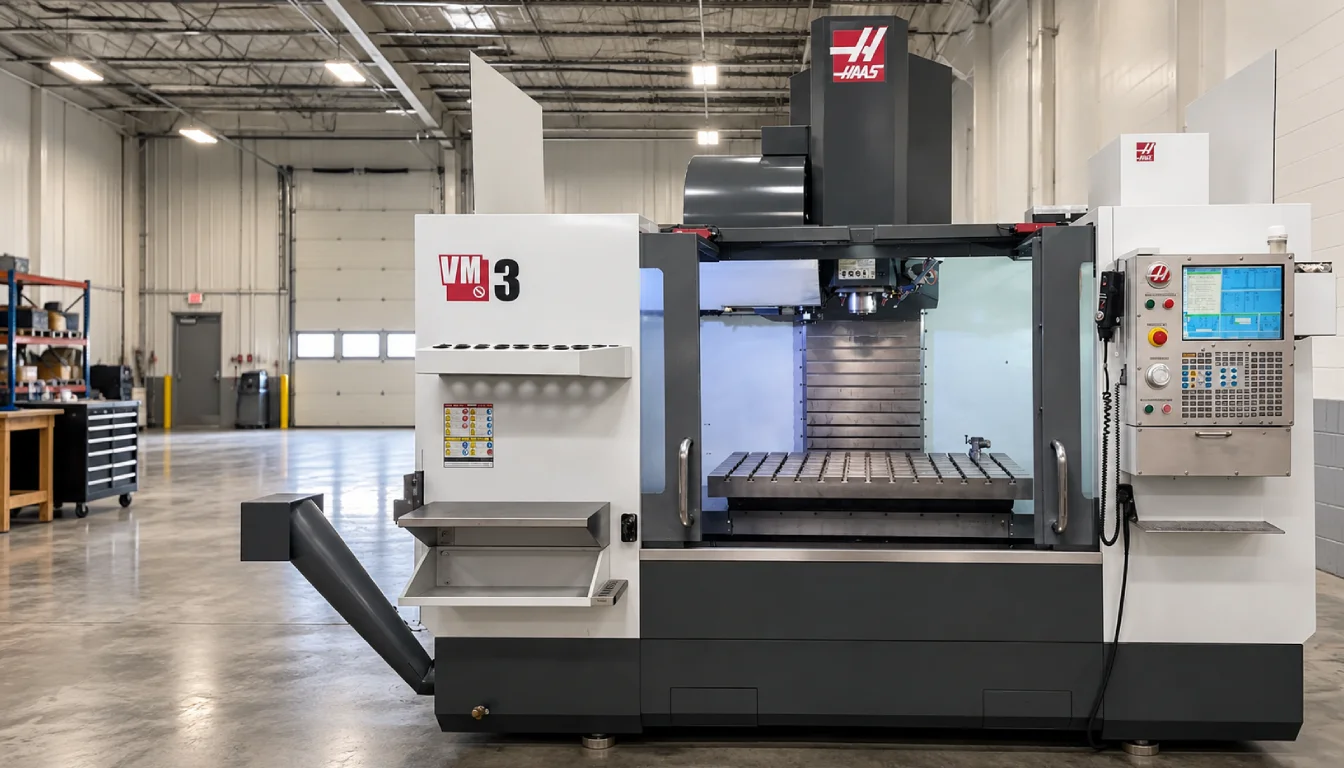
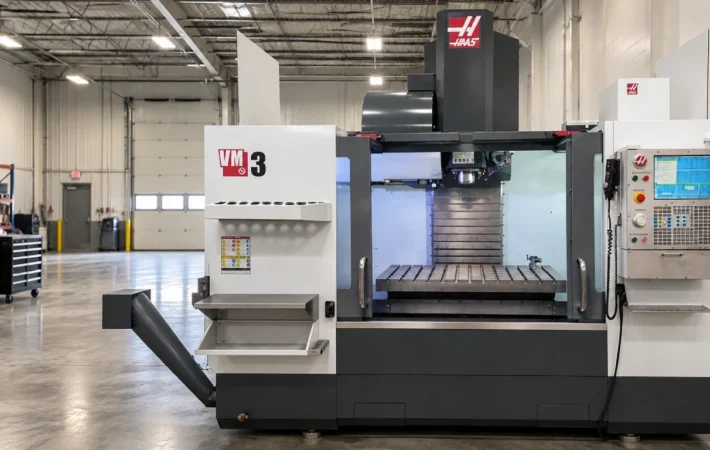
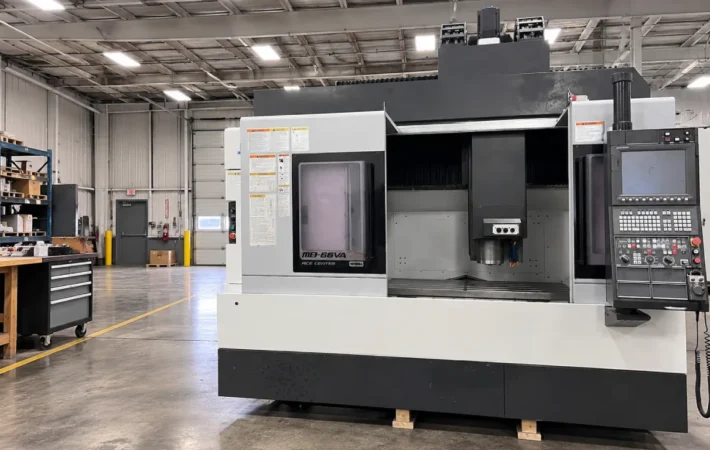
  • Vertical Machining Centers (VMCs) – suitable for milling, drilling, tapping, and general machining.
  • Horizontal Machining Centers (HMCs) – useful for production environments where multiple-side machining and palletized workflows are important.
  • Multi-Axis CNC Machines – suitable for more complex parts requiring additional axis movement.

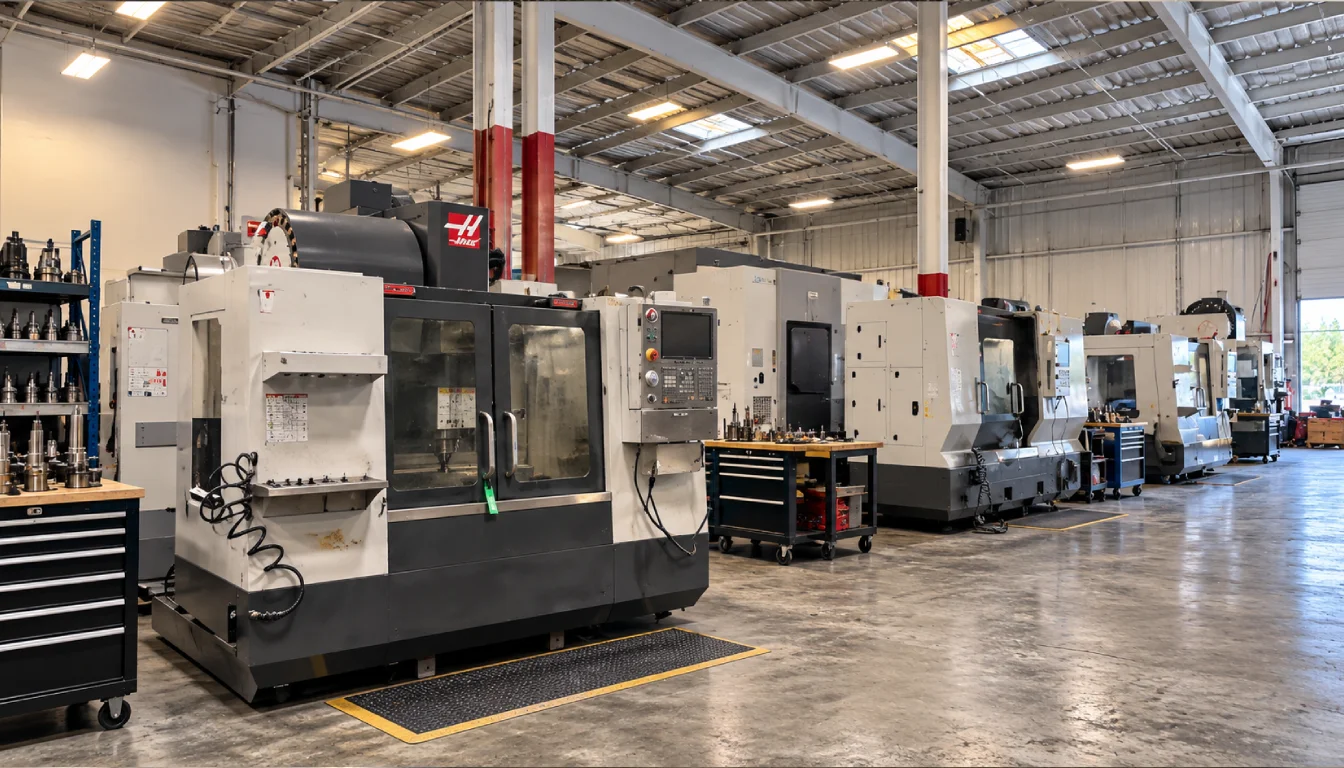
MachineStation offers a wide range of used CNC machines across these categories.

3. Compare the Specifications That Actually Matter

Once you identify the machine type, review the specifications that directly affect your production.

Depending on the machine, important specifications may include:

  • X, Y, and Z-axis travel
  • Table size and load capacity
  • Spindle speed and horsepower
  • Spindle taper
  • Chuck size and spindle bore for lathes
  • Tool changer capacity
  • Maximum workpiece size
  • CNC control
  • Installed options

Do not focus on one specification in isolation.

For example, a machine with a high spindle speed may still be unsuitable if its work envelope is too small for your parts.

Machine specifications should always be compared against your actual production requirements. MachineStation’s used CNC machine specifications guide covers the major specifications buyers should review.

4. Check the CNC Control

The CNC control is another important part of choosing used CNC equipment.

Before purchasing, find out:

  • Which control is installed?
  • Is your team familiar with it?
  • Is it compatible with your programming workflow?
  • Are manuals available?
  • How are programs transferred to the machine?
  • Are there any known control issues?

A machine with suitable mechanical specifications may still create workflow problems if the control does not fit your shop’s requirements.

You can also read our guide on Used CNC Machine Control Systems for more information.

5. Look Beyond Machine Age and Hours

Machine age and operating hours are useful information, but they should not be the only deciding factors.

A well-maintained older CNC machine may be a practical option, while a newer machine with poor maintenance history may require closer inspection.

Review:

  • Power-on hours
  • Spindle hours
  • Maintenance records
  • Service history
  • Previous repairs
  • Current operating condition

Our guide on Used CNC Machine Operating Hours explains why hours should be considered alongside the machine’s history and condition.

6. Consider What Comes With the Machine

The advertised machine may not tell you everything included in the purchase.

Ask whether the machine comes with:

  • Tool holders
  • Chuck or workholding equipment
  • Tooling
  • Manuals
  • Chip conveyor
  • Coolant system
  • Probing or additional options
  • Other installed accessories

These items can affect how quickly you can put the machine into production and how much additional money you need to spend after purchase.

7. Calculate the Total Cost

The purchase price is only one part of the investment.

Your total cost may also include:

  • Transportation
  • Rigging
  • Installation
  • Electrical preparation
  • Tooling
  • Accessories
  • Repairs or maintenance
  • Operator training

A machine with a lower purchase price is not necessarily the lower-cost option if significant additional work is required before production.

8. Review the Machine Before You Buy

Before making a final decision, request as much information as possible about the machine’s current condition.

Review available:

  • Photos
  • Videos
  • Specifications
  • Maintenance records
  • Service information
  • Operational details

MachineStation states that its used CNC inventory is represented with detailed specifications, photos, and availability, helping buyers evaluate machines before purchasing.

If you are comparing several machines, MachineStation also provides a How to Buy & Compare Used CNC Machines resource with guidance on comparing machines.

Summary

The right used CNC machine is the one that fits your production requirements, machine capacity, workflow, condition, and budget.

Instead of starting with the machine price, start by defining what you need to manufacture. Then compare machine type, specifications, CNC control, operating history, maintenance records, included equipment, and total acquisition cost.

This approach can help you narrow down the available used CNC machinery and make a more informed purchasing decision.

Explore MachineStation’s current used CNC machine inventory to compare available machines and specifications.

FAQs:

1. How do I choose a used CNC machine?

Start with your production requirements, including part size, material, machining operations, required accuracy, and production volume. Then compare machine type, specifications, control, condition, and total cost.

Check machine specifications, operating hours, maintenance and service history, CNC control, tooling, current condition, available documentation, and installation requirements.

Age matters, but it should be considered alongside operating hours, maintenance history, previous repairs, specifications, and current condition.

Price should be only one consideration. Transportation, installation, tooling, repairs, and other costs can affect the total investment.

MachineStation offers used CNC lathes, vertical and horizontal machining centers, multi-axis CNC machines, milling machines, and other used industrial equipment.

Back to Top
Select Language
Product has been added to your cart
Max · MachineStation
Looking for a machine? I can check live inventory for you. 👋