Home / Blogs / Used CNC Machine Delivery: What Buyers Should Know Before Shipping

Used CNC Machine Delivery: What Buyers Should Know Before Shipping

Buying a used CNC machine is only one part of the process. Getting it safely from its current location to your facility requires careful planning, proper transportation, and experienced rigging support.

A CNC machine can weigh several thousand pounds, and its size, configuration, and handling requirements can affect how it is transported. Unexpected loading requirements, incorrect shipping dimensions, or an unprepared receiving location can lead to delays and additional costs.

Before arranging used CNC machine shipping, buyers should understand the following steps.
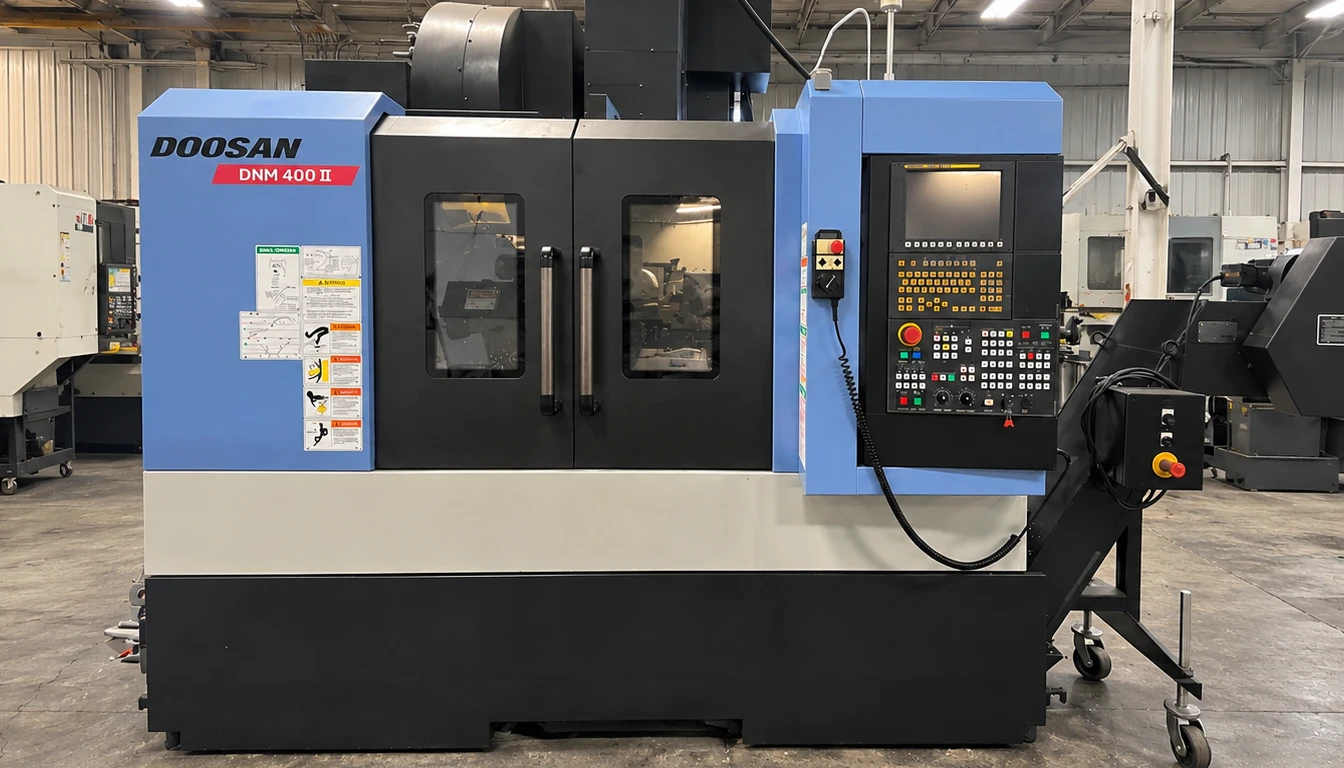
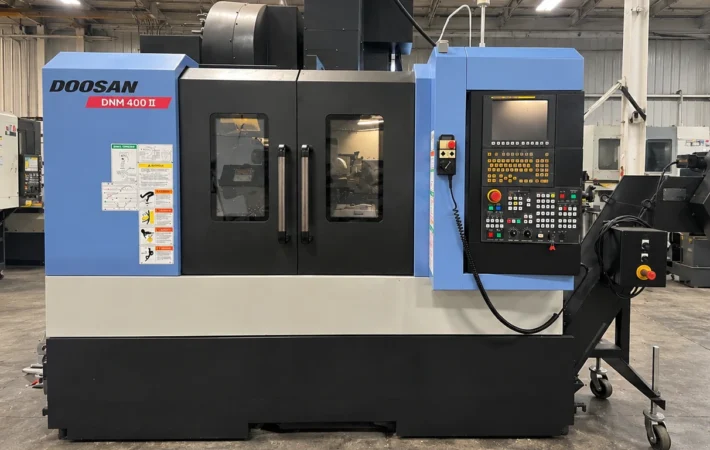
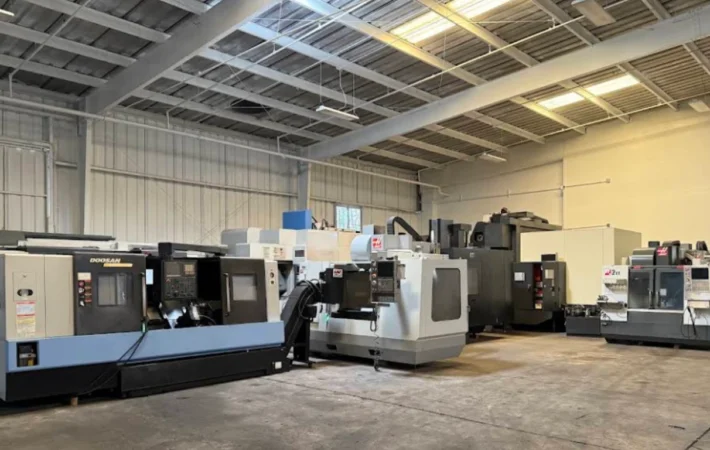
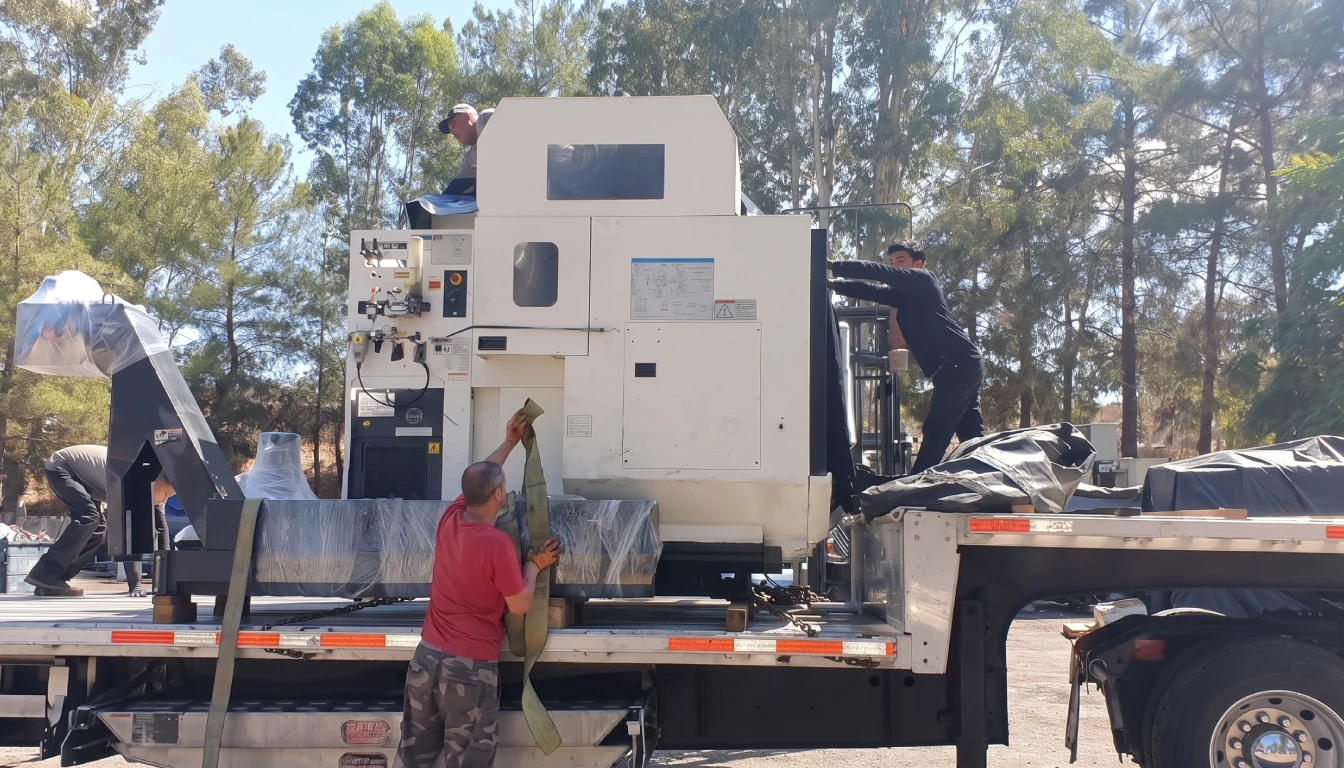
Used CNC machine prepared for transportation and delivery

1. Start With the Machine, Not the Truck

Before requesting a freight quote, collect the machine’s actual transportation details. A model name alone is not enough to determine the right shipping arrangement.

Ask the seller for:

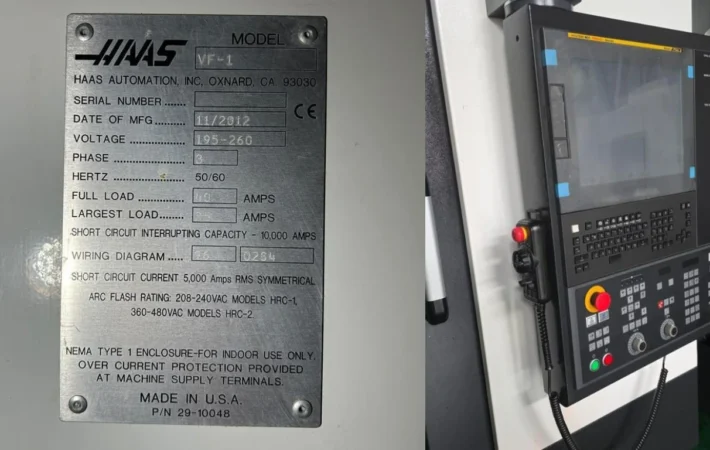
  • Machine make, model, and serial number, if available
  • Overall length, width, and height
  • Machine weight
  • Shipping dimensions, including any components that must be removed
  • Current machine location
  • Photos showing the machine and loading area
  • Details of loose accessories or components shipping separately

Dimensions and weight can vary depending on the machine’s configuration and additional equipment.

For example, a CNC lathe with a bar feeder or a machining center with a chip conveyor may require a different transportation plan than the machine alone.

2. Choose the Right Transportation Arrangement

Not every used CNC machine can be transported using the same type of truck. The appropriate option depends on its weight, dimensions, loading method, route, and delivery location.

Transportation option

When it may be suitable

Flatbed trailer

Machines that can be safely loaded and secured within the trailer’s limits

Step-deck trailer

Equipment requiring additional height clearance

Lowboy trailer

Certain heavy or oversized machines

Specialized heavy-haul transport

Loads requiring special equipment, permits, or route planning

The transportation provider should evaluate the actual load before recommending a vehicle.

When comparing quotes, check whether the price includes fuel surcharges, permits, special handling, and other applicable transportation charges.

3. Understand CNC Machine Rigging and Loading

Transportation and rigging are two different parts of the delivery process.

The carrier transports the machine, while qualified industrial riggers handle activities such as lifting, loading, unloading, and positioning.

Before scheduling pickup, clarify:

  • Who arranges the rigging company?
  • Who is responsible for loading the machine?
  • Is a forklift or crane required?
  • Are the machine’s lifting points documented?
  • Does the pickup location have suitable loading equipment?
  • Who will handle unloading at the destination?

Never assume that the truck driver will provide industrial rigging services.

CNC machine rigging should be planned according to the machine manufacturer’s instructions, weight distribution, and approved lifting points. Improper handling can damage machine components or create serious safety risks.

4. Confirm Who Pays for Shipping and Delivery

One of the most important questions is who is responsible for transportation expenses.

Depending on the purchase agreement, shipping and related services may be arranged by the buyer or seller. Responsibilities should be confirmed before the machine leaves its current location.

Use this responsibility checklist:

Delivery activity

What to confirm

Machine loading

Who pays for loading and rigging?

Transportation

Who selects and pays the carrier?

Transit insurance

What coverage applies during transportation?

Unloading

Who arranges the receiving rigger?

Final positioning

Is movement inside the facility included?

Installation

Is installation separate from delivery?

Get these responsibilities documented in the quotation or purchase agreement. This prevents misunderstandings after the transaction is complete.

For a better understanding of expenses beyond the machine price, read our guide on How to Calculate the Total Cost of Buying a Used CNC Machine.

5. Check Insurance and Shipping Documentation

Before shipping used CNC machinery, ask the transportation provider about insurance coverage and documentation.

Important details include:

  • What is the declared shipment value?
  • What type of cargo insurance applies?
  • Are there coverage limits or exclusions?
  • Who handles claims if damage occurs?
  • Is the machine’s condition documented before loading?
  • Will the carrier provide shipment and delivery records?

Take photographs of the machine before loading, including visible exterior condition and any existing damage. Keep copies of the quotation, purchase agreement, shipping documents, and relevant communication.

Do not assume that standard carrier liability automatically covers the full value of an expensive CNC machine.

6. Prepare Your Facility Before Delivery

A successful CNC machine delivery also depends on the receiving location.

Before the truck arrives, check:

  • Entrance and doorway dimensions
  • Floor capacity and condition
  • Available unloading space
  • Crane or forklift access
  • Internal movement route
  • Final machine placement area
  • Electrical and utility preparation

Arrange the receiving riggers and confirm the delivery schedule in advance.

For a detailed facility preparation guide, read Used CNC Machine Installation: What Your Shop Needs to Prepare.

7. Inspect the Machine When It Arrives

Do not treat delivery as complete simply because the machine has reached your facility.

Before signing the delivery receipt, inspect the shipment for visible damage, missing components, or discrepancies.

Compare the delivered machine with the purchase documentation and the agreed list of included equipment.

If you notice visible damage, document it with photographs and report it to the carrier according to the applicable delivery and claims procedure. Record any concerns on the delivery paperwork before signing, where permitted.

A transportation inspection does not replace a technical inspection or machine commissioning process.

Final Thoughts

Used CNC machine shipping requires coordination between the buyer, seller, transportation provider, and industrial rigging team.

Confirm machine dimensions, weight, loading arrangements, shipping responsibilities, insurance, and receiving access before scheduling transportation. Most importantly, get the agreed delivery terms in writing.

Planning these details early can help reduce unexpected expenses, avoid unnecessary delays, and make the move to your facility more manageable.

If you are looking for a used CNC machine, explore MachineStation’s used CNC machine inventory or contact our team to discuss available equipment.

FAQs:

1. How much does it cost to ship a used CNC machine?

The cost depends on machine weight, dimensions, pickup and delivery distance, trailer requirements, rigging, permits, and insurance. Request a quote based on the actual machine details.

Most industrial CNC machines require qualified rigging professionals for safe loading, unloading, and positioning. Requirements depend on the machine and site conditions.

The buyer or seller may arrange transportation depending on the purchase agreement. Confirm loading, freight, insurance, unloading, and installation responsibilities in writing.

Provide the machine’s weight, dimensions, pickup and delivery locations, loading conditions, photographs, and any special handling requirements.

Yes. Check for visible damage, missing components, and discrepancies against the purchase documentation. Document concerns before completing the delivery process.

Back to Top
Select Language
Product has been added to your cart
Max · MachineStation
Looking for a machine? I can check live inventory for you. 👋