Home / Blogs / How to Reduce Setup Errors in High-Mix CNC Environments?

How to Reduce Setup Errors in High-Mix CNC Environments?

Setup errors are a major issue that often affects productivity in manufacturing shops. Manufacturing shops that handle high-mix CNC machining need to focus more on this problem. High-mix shops need frequent changes to CNC machine setups for different geometric work. In these environments with changing setups for varying part geometries, setup errors can lead to lost time, inconsistent output, and higher scrap rates. So, reducing errors in CNC machine setup becomes essential for better precision machining in high-mix machining environments. If you are worried about how to reduce CNC setup errors, you can read this blog till the end.

Top Ways to Reduce Setup Errors in CNC Machining:

1. Standardize Setup Procedures Across All Jobs:

One of the best ways to reduce variability is to introduce standardization. When every operator is following a different method, then the chances of CNC setup mistakes increase. Here are things to do:

  • Document proven setups for repetitive jobs
  • Create a step-by-step setup checklist for every type of CNC machine
  • Define consistent workholding, tooling, and offset-setting procedures

2. Use Setup Checklist:

Sometimes, even the most experienced of operators miss a few steps when working under pressure. So, to reduce CNC setup errors, the checklists act as a safety net. Having a checklist will help the operators to ensure they have not missed any small points or made any silly mistakes during setup. Make sure your checklist includes:

  • Correct program loaded
  • Tool offsets verified
  • Proper fixture involved
  • Work offsets confirmed
  • Dry run completed

Also, confirm some other things like raw material size, tool condition, and if the fixture is clean and free of debris. 

3. Implement Tool Presetting Systems:

Manual tool setting introduces the risk of human errors, too. It increases the risk of offsets. Tool presetters allow accurate measurements before the tools reach the machine. It lets you measure length and diameter offline, then push those offsets into the control or a tool management system, directly. Here are the main benefits of it:

  • Lower risk of incorrect tool data entry
  • Reduced machine downtime
  • More consistent tool diameter and length values

This approach is particularly useful for quick changeover CNC machining work. 

4. Use Clearly Labeled Tooling and Holders:

Confusion of tools is also a common cause of setup errors in CNC machines. In high mix production work, similar tools are often used across multiple jobs. So it is very important to ensure that the tools are properly labeled so that there isn’t any confusion about the right one, and that will help with CNC setup optimization. Here are the best practices for that:

  • Maintain a tool library with specifications
  • Store tools in organized racks
  • Label each tool holder with a unique number or ID

Clear identification helps in reducing the chance of loading the wrong tool. 

5. Use Modular Fixturing Systems:

Custom fixtures for every job increase setup complexity. Modular fixturing helps with faster and more repeatable setups. Here are the major advantages of the modular fixturing systems that can help with CNC setup error reduction:

  • Improved positioning accuracy
  • Easier adaptation to different part geometries
  • Reduced fixture setup time

These modular fixturing systems are useful for high mix low volume CNC production works. 

6. Verify Programs Before Running:

Incorrect programs or outdated programs can lead to immediate failures of setups. So, program verification is critical for ensuring that one can avoid setup failure during the machining process. Here are the steps to follow:

  • Run simulations before loading the programs
  • Verify tool paths and clearances
  • Use dry runs or single block mode

This helps in the detection of errors even before the cutting begins. 

7. Integrate Spindle Probing Systems:

Manually locating the part zero using a mechanical edge finder or a piece of shim stock is a notoriously inconsistent practice. In this way, two different operators will find two different zero points on the exact same piece of stock due to variations in their technique. So, that is where spindle probing systems help with CNC setup optimization. 

  • Spindle probing systems automate the process of establishing work offsets
  • This automation  feature helps in the removal of human interpretation of finding part zero
  • It is an incredibly fast process and repeatable to the micron level

8. Train Operators for Multi Job Environments:  

If you are doing high mix CNC operations, then it is important to have trained operators to reduce CNC setup errors and ensure proper machining. It will require a different skill set compared to repetitive production work. Operators need broader knowledge. The training should be focused on: 

  • Handling quick changeovers
  • Reading setup sheets
  • Understanding multiple part types

9. Maintain Consistent Work Offset Practices:

Another major source of setup errors is incorrect work offsets. So maintaining consistent work offsets is important to reduce CNC setup errors. Consistency is the key here. The best practices for that include: 

  • Clearly define G54, G55, etc. usage
  • Verify offsets before running the program
  • Use standard reference points

10. Reduce Setup Complexity Where Possible: 

One of the CNC setup best practices is the reduction of setup complexity wherever possible. Complex setups increase the chance of mistakes. Simplification becomes helpful. Here are the major strategies to make the setup of CNC machines simple:

  • Minimize fixture changes
  • Standardize part orientation
  • Use a common tooling across jobs

11. Use First Part Inspection as a Standard Step: 

Skipping the first part inspection increases the overall risk of producing several defective parts in a row. So, make sure you properly check the first part that’s produced before going for production of more repetitive parts. The focus areas of inspection include:

  • Surface finish
  • Feature alignment
  • Critical dimensions

Early detection helps you make the setup changes as per requirements, and that helps reduce the number of defective products. 

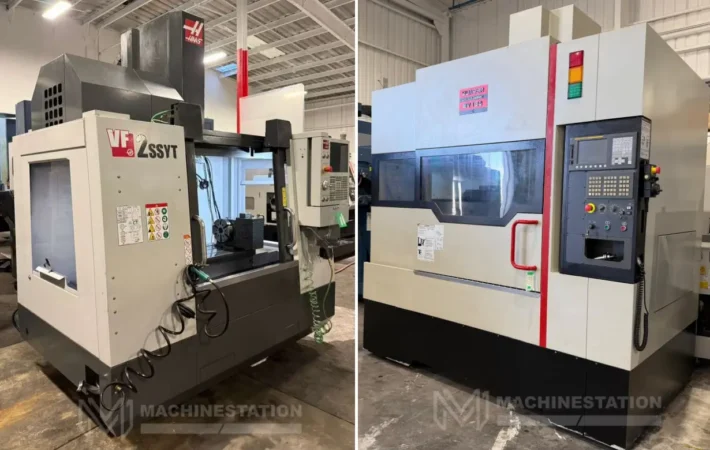
Also, if you are looking for used multi axis CNC machines for your manufacturing shop, then check the collection of MachineStation. 

Conclusion: 

Setup errors are a major problem in CNC machining that different shops face. But the problem has solutions. Reduction of setup errors can be easily done by following the different tips that we have shared, and this reduction of setup errors is an extremely important thing to do for high mix CNC machining environments to ensure proper precision of different products. 

FAQs:

1. Can used CNC machines handle high-mix production effectively?

Used CNC machines can support high-mix production if they are well-maintained and equipped with features like probing systems and stable tooling interfaces. Proper setup practices remain essential.

Setup checklists provide a structured approach to ensure all critical steps are completed. They help reduce reliance on memory and minimize missed steps

Well-trained operators understand setup procedures, tooling, and machine behavior. This reduces mistakes and improves overall consistency.

Search for products

Select Language
Product has been added to your cart