Home / Blogs / Used CNC Horizontal Machining Centers: What Buyers Should Evaluate

Used CNC Horizontal Machining Centers: What Buyers Should Evaluate

A used CNC horizontal machining center (HMC) can be a valuable addition to a manufacturing facility that handles complex parts, multiple machining operations, or repeat production runs. Its horizontal spindle orientation and pallet-changing capabilities can help reduce workpiece repositioning and improve production workflow.

However, not every horizontal machining center is configured for the same applications. Before choosing a machine, buyers should evaluate its working capacity, spindle specifications, pallet system, tooling, and overall condition.

Here are six important areas to examine before purchasing used CNC horizontal machining centers.
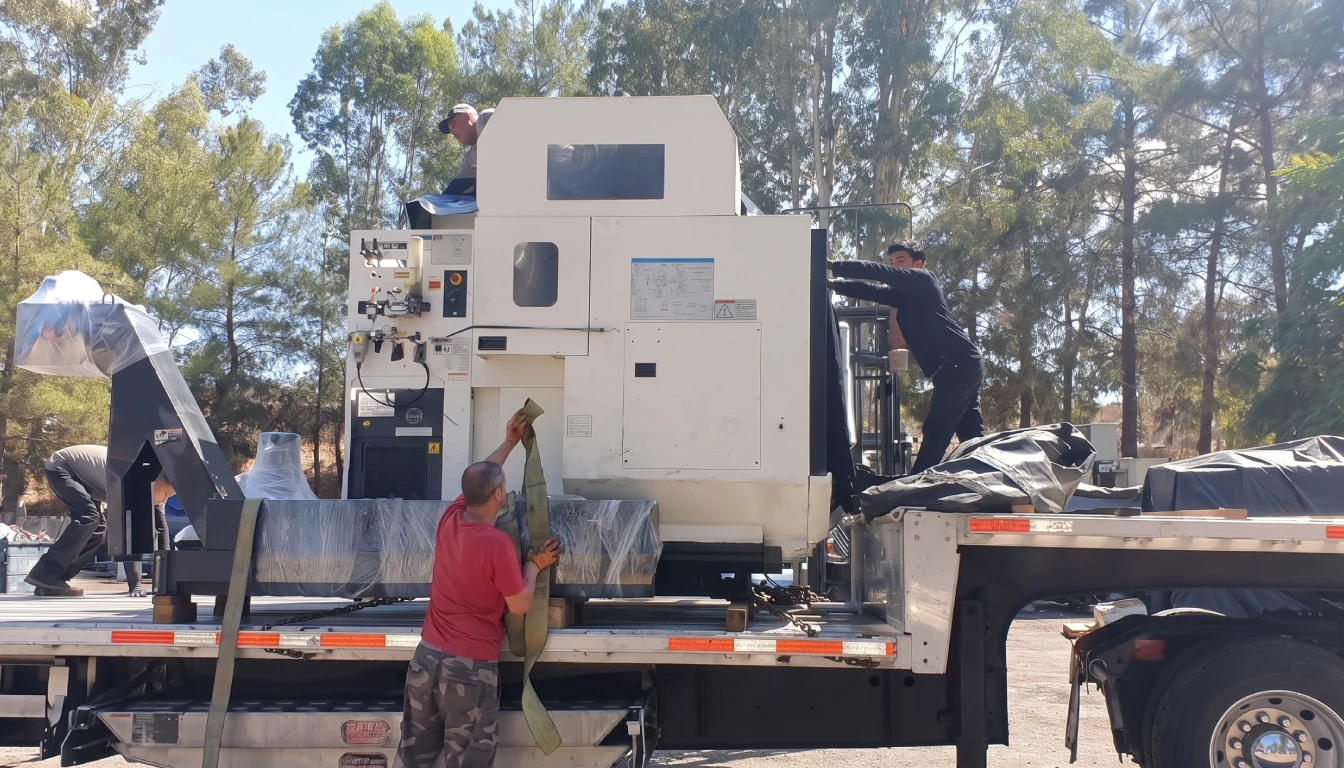
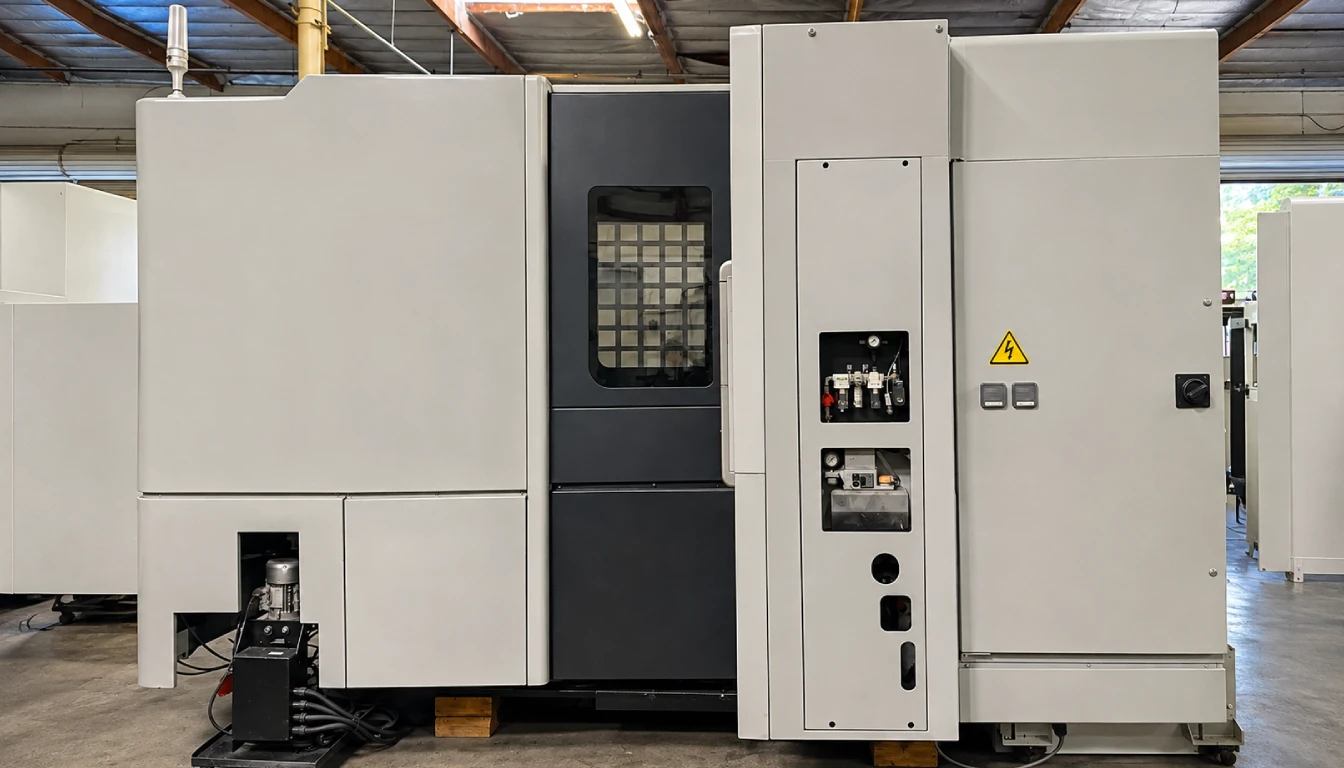
Used CNC Horizontal Machining Centers

1. Start With Pallet Size and Workpiece Capacity

Pallet size is one of the first specifications to evaluate because it determines how much workholding and part space is available.

Common HMC configurations include 400 mm, 500 mm, 630 mm, and larger pallet sizes. The right size depends on your components, fixtures, tombstones, and production requirements.

Before shortlisting a machine, consider:

  • Maximum part dimensions and weight
  • Pallet length and width
  • Distance between spindle and table
  • Available fixture and tombstone space
  • Number of pallets included

A larger pallet is not automatically better. It may require more floor space, larger fixtures, and a higher overall investment. Choose a machine that accommodates your actual workpieces without unnecessary excess capacity.

2. Evaluate the Spindle for Your Materials and Operations

The spindle directly affects the machining operations a horizontal CNC mill can perform.

Check these specifications:

Spindle specification

Why it matters

Spindle speed (RPM)

Determines available cutting-speed range

Spindle taper

Affects tooling compatibility and rigidity

Spindle power

Important for cutting requirements

Through-spindle coolant

Supports certain drilling and deep-hole applications

Spindle condition

Helps identify possible wear or service requirements

A 40-taper spindle may suit many general machining applications, while a 50-taper configuration may be appropriate for certain heavier cutting requirements.

Do not choose based on RPM or horsepower alone. Match the spindle to your material, tooling, cutting strategy, and required surface finish.

3. Inspect the Automatic Pallet Changer

The automatic pallet changer (APC) is an important feature of many HMCs. It allows operators to prepare another workpiece while machining takes place on the active pallet.

When evaluating a used HMC, review:

  • Pallet indexing and positioning
  • Pallet clamping and unclamping
  • Hydraulic or pneumatic system condition
  • Shuttle movement and alignment
  • Pallet locating surfaces
  • Alarm history and maintenance records

Ask whether the pallet changer can be demonstrated through its operating cycle. A machine may have an APC listed in its specifications, but buyers should confirm that the system operates correctly.

Also check the number of pallets supplied and whether the required fixtures or tombstones are included in the sale.

4. Check Axis Travel and Tool Magazine Capacity

Machine travel determines the size of components and machining operations the equipment can accommodate.

Review the X, Y, and Z axis travel against your largest planned workpiece and fixture arrangement. Also consider access for loading, tool clearance, and workpiece orientation.

Tool magazine capacity matters when your jobs require multiple tools or frequent program changes.

For example, a machine with a 60-tool magazine may offer more flexibility than one with a smaller capacity, but the right choice depends on your actual tool requirements.

Verify the tool changer’s operation, included tool holders, and compatibility with your existing tooling.

5. Review the Machine’s Condition and Configuration

A used horizontal machining center should be evaluated as a complete system, not simply by its age or asking price.

Pay attention to:

  • Spindle noise, vibration, and operating condition
  • Axis movement and positioning performance
  • Ball screw and way condition
  • CNC control operation and alarms
  • Lubrication and coolant systems
  • Chip conveyor and coolant filtration
  • Maintenance and repair documentation

Request current photographs, available operating information, and a machine demonstration where possible.

For additional guidance, read our articles on used CNC machine operating hours and maintenance history.

6. Calculate the Complete Acquisition Cost

The machine’s purchase price is only one part of the investment.

A used HMC may require additional expenses for:

  • Workholding, tombstones, and fixtures
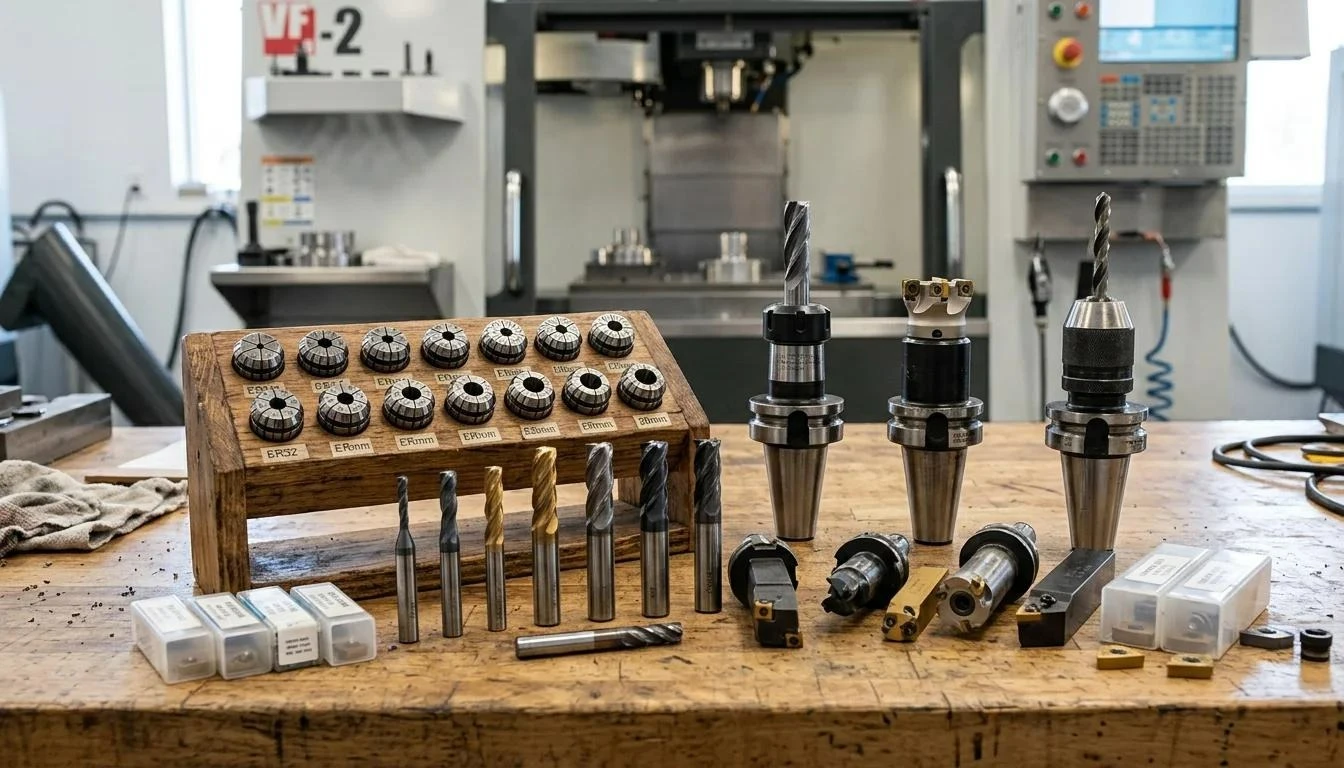
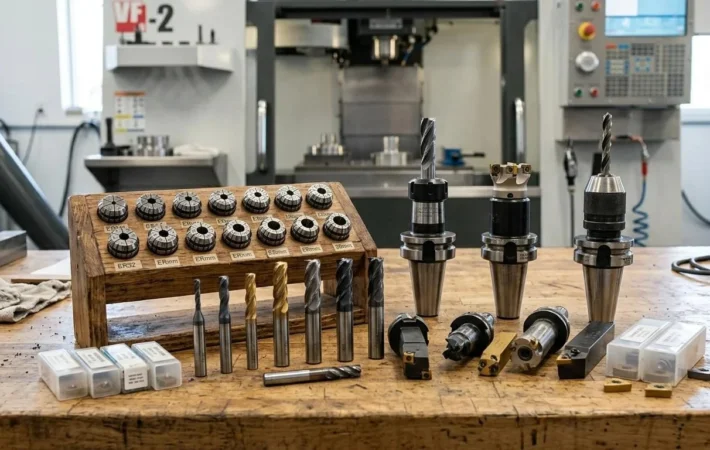
  • Tool holders and cutting tools
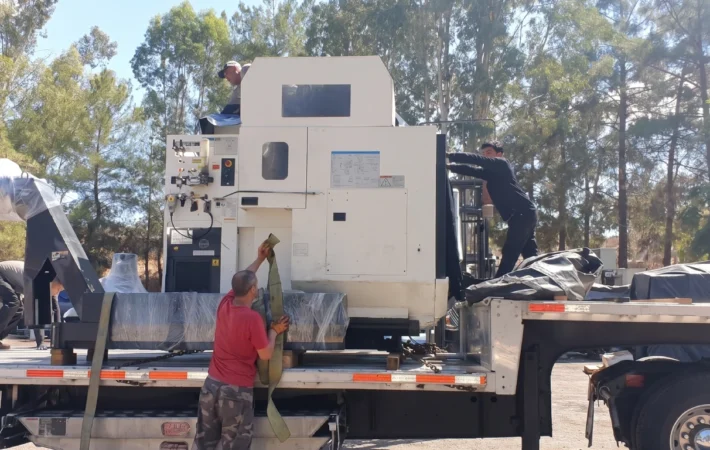
  • Transportation and industrial rigging
  • Electrical and facility preparation
  • Installation and commissioning
  • Repairs or replacement components, if required

Confirm which accessories are included in the actual quotation. Do not assume that equipment shown in photographs is automatically part of the sale.

Our guide to the total cost of buying a used CNC machine explains the additional expenses buyers should consider.

Explore Used Horizontal Machining Centers at MachineStation

Once you understand the specifications and capabilities required for your production, compare available machines based on their actual configuration.

Explore used horizontal machining centers at MachineStation to review available equipment and machine details.

You can also browse our complete used CNC machine inventory to compare other machining options.

Final Thoughts

Choosing between used CNC horizontal machining centers requires more than checking the machine’s brand, age, or price. Pallet capacity, spindle configuration, APC operation, axis travel, tooling, and machine condition all influence whether an HMC fits your production requirements.

Evaluate the complete machine configuration, confirm what is included, and account for transportation and installation before making a purchasing decision.

FAQs:

1. What is a used CNC horizontal machining center?

A used CNC horizontal machining center is a previously owned machining machine with a horizontally oriented spindle, generally used for milling, drilling, and machining multiple workpiece faces.

Choose based on workpiece dimensions, weight, fixture requirements, and production needs. Common configurations include 400 mm, 500 mm, and 630 mm pallets.

It allows one workpiece to be machined while another is prepared, potentially reducing non-cutting time and supporting more efficient production workflows.

Evaluate spindle condition, pallet changer operation, axis movement, CNC control, tool changer, maintenance records, and included accessories.

You can browse MachineStation’s used horizontal machining center inventory.

Back to Top
Select Language
Product has been added to your cart
Max · MachineStation
Looking for a machine? I can check live inventory for you. 👋