Home / Blogs / How Small CNC Shops Can Compete with Large Manufacturers?

How Small CNC Shops Can Compete with Large Manufacturers?

Manufacturing has always been a tough sector to enter for startup founders and small business owners. Manufacturing needs more upfront capital investment, which makes it harder for small shops to compete with large manufacturers with high capital investment capability. But that doesn’t make it impossible for small shops to grow and win; it can very well be done if the right steps are taken. If you are also running a small CNC shop or just starting up, then read this blog till the end to know how small CNC shops competing with large manufacturers can win.
Top CNC Shop Competitive Strategies for Small Shops:

1. Leverage the Flexibility:

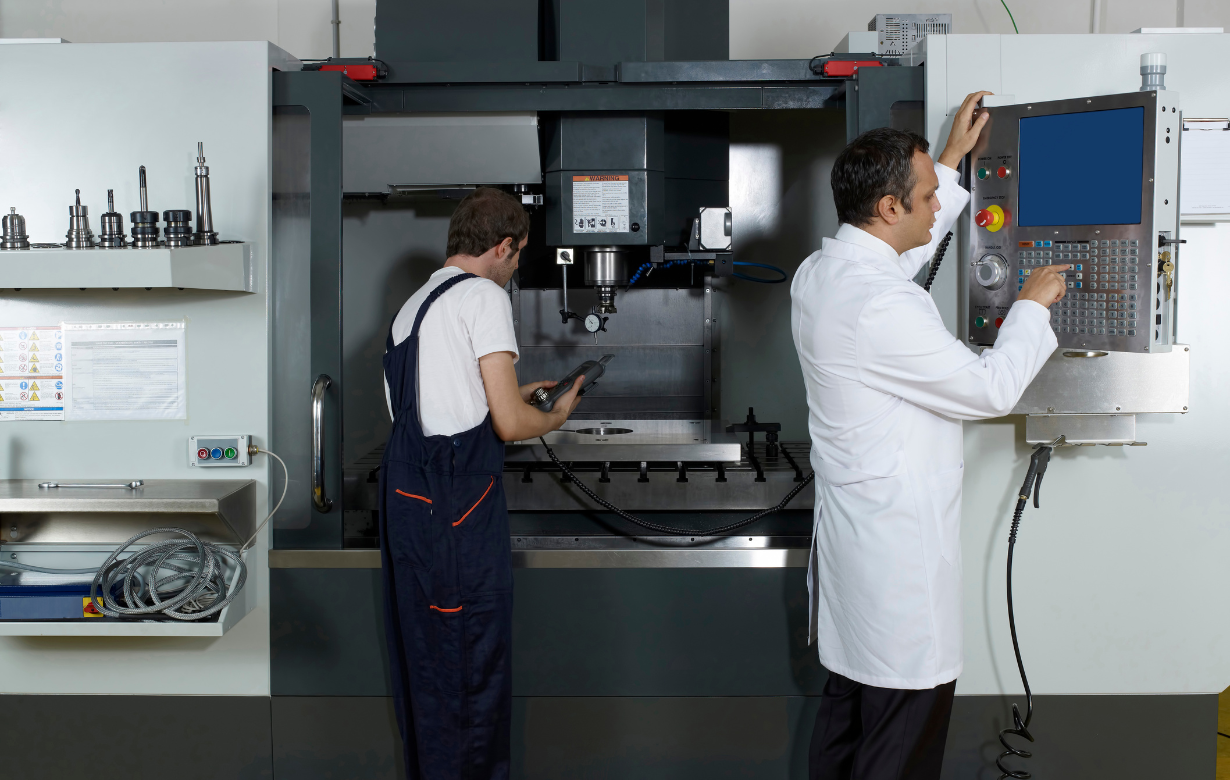
One of the major benefits the small shops get is that they have the flexibility to try and fail. For large manufacturing companies, they will need the approval of three different people for one small decision, but in small shops, moves can be made without any approval. In small CNC shops:

  • Owner can review the designs directly and make the call on whether to go ahead or not
  • Decisions are taken fastly so you get more chances to experiment more
  • One gets to focus on one-off prototypes, complex custom parts, and small batches, which large shops mostly avoid.

2. Specialize in Niche Markets:

One thing small CNC shops competing with large manufacturers can do is specialize in niche market manufacturing work. Try to focus on industries where expertise matters over volume. Niche specialization creates positioning. Examples of focused niche markets are:

  • Aerospace brackets
  • Oil and gas fittings
  • Custom automotive parts
  • Medical components
  • Modern robotics manufacturing

When you specialize in these segments, you also build:

  • Material expertise
  • Repeated customer base
  • Process knowledge

CNC niche manufacturing establishes a small shop as a trusted source of different products for different customers in that market, with the help of its domain knowledge.

3. Invest in Reliable Used CNC Machines:

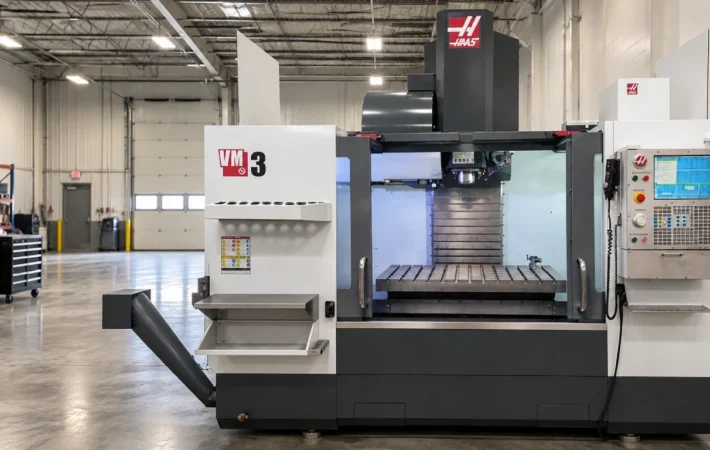
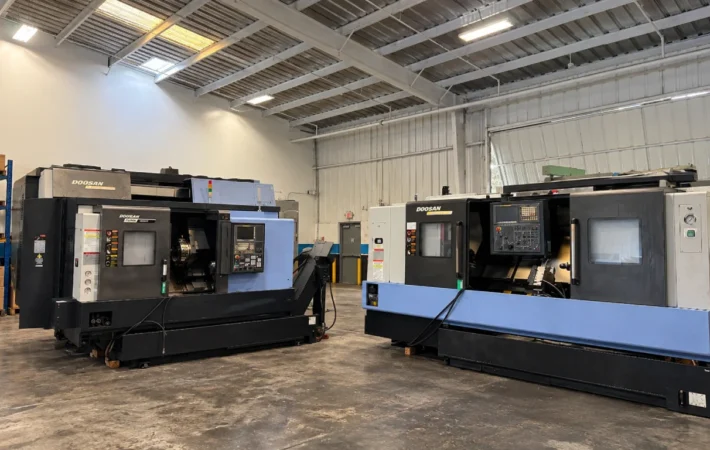
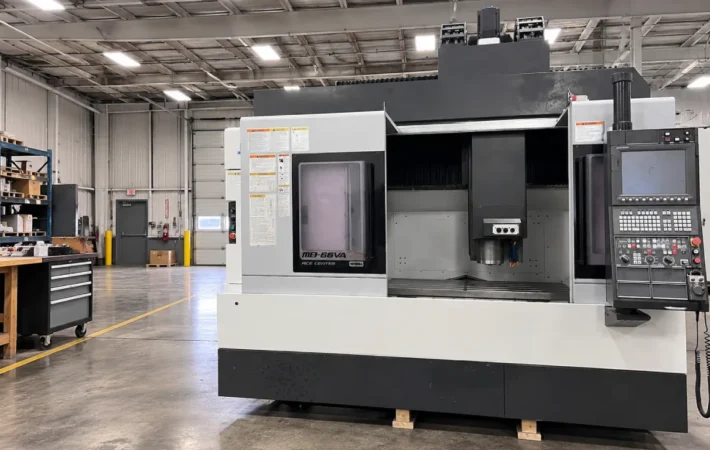
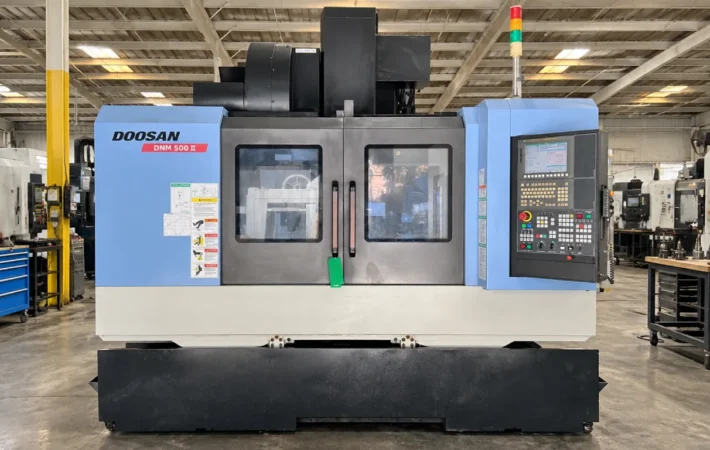
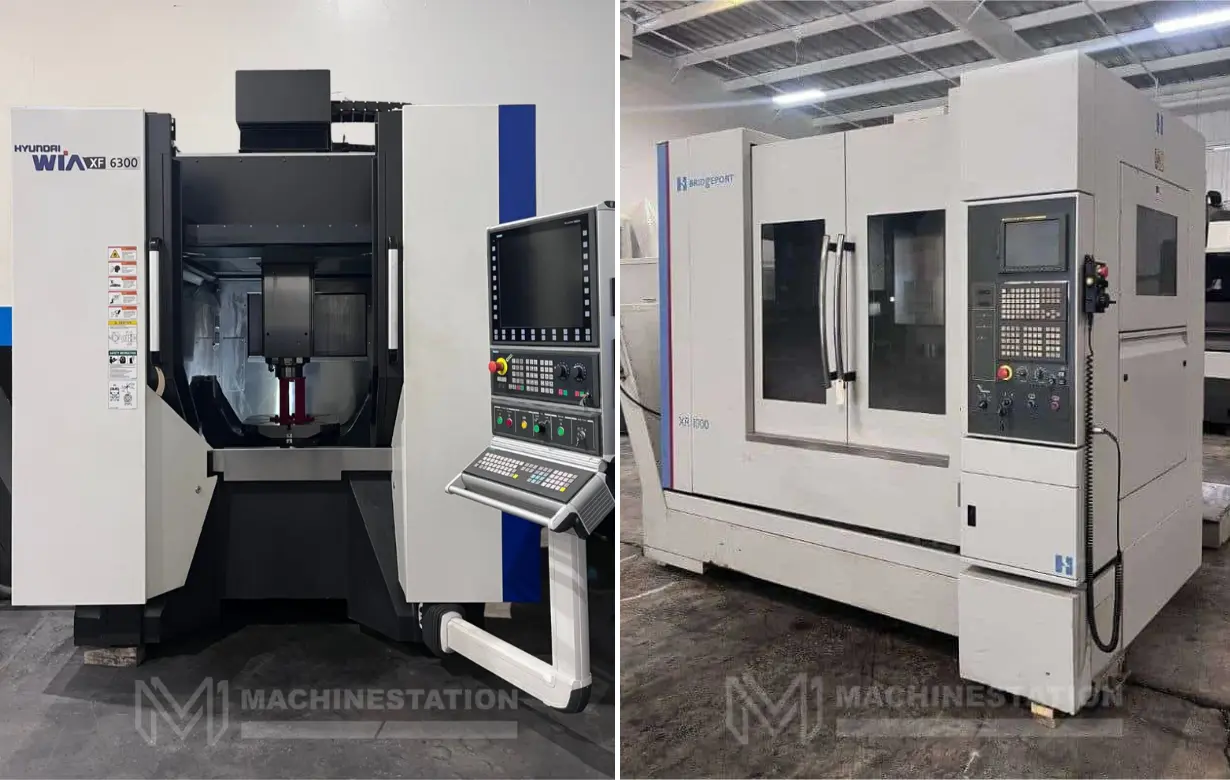
One of the effective CNC business strategies is investing in reliable used CNC machines. Small shops do not need brand new equipment; they can get the machining work done with reliable used machines. 

In the used CNC machinery market, one can find different CNC machines with advanced specs of high end brands in an affordable price segment. Buying used machines allows the manufacturers to:

  • Reduce Loan Pressure
  • Shorter ROI timelines
  • Enter production works faster

So, if you are also looking for used CNC machines for your manufacturing shop, then you can check the collection of MachineStation.

4. Implement Lean Manufacturing Principles:

Most manufacturers often think that lean manufacturing is limited only to large manufacturing facilities, but that’s not true. Implementing proper lean manufacturing principles can help the manufacturing shops to gain more productivity and reduce unplanned downtime. Small shops can apply:

  • Standardized setups
  • Reduced idle time
  • Organized tooling systems
  • Preventive maintenance schedules

Efficiency helps in improving business margins without increasing the amount of work or increasing your quotations for every work. 

5. Shorten Lead Times:

One of the good CNC shop competitive strategies is shortening lead times, as large manufacturing shops have high lead times with longer approval chains. Small shops get the advantage of moving faster, and these shops can compete by offering:

  • Provide quotes faster
  • Do faster setups
  • Make flexible schedules
  • Do quick engineering changes

So, speed is a huge advantage for small CNC shops competing with large manufacturers, helping them to grow and win.

6. Build Stronger Human Connection:

One piece of advice that is not associated with machines is building stronger human connections. As the old saying goes, your network is your networth. Make sure you have a good human to human relationship with your suppliers and customers both. Small shops can compete by:

  • Develop local supplier partnerships
  • Make strong connections of loyalty with customers
  • Deliver more than what you promise

Conclusion: 

In the world of business, it is never impossible to go from rags to riches. One can start small and yet grow to the biggest heights, competing with the legendary names of that industry. With the right strategy and relentless execution, even small CNC shops can compete against the large manufacturers and win. 

FAQs:

1. What type of work is more suitable for small CNC shops?

High-mix, low-volume production is typically more aligned with small shop operations. This includes prototypes, custom parts, short production runs, and urgent replacement components. These jobs often require flexibility rather than large production capacity.

Many small shops choose used machines to control capital expenditure. Reliable models from brands like the Haas, Mazak, Doosan, Okuma, or DMG Mori can provide solid production capability at a lower upfront investment.

Not always, but multi-axis capability can expand the range of parts a shop can handle. Machines such as the Haas UMC Series or multitasking platforms like the Mazak Integrex allow complex machining in fewer setups. This can improve workflow efficiency for certain applications.

Select Language
Product has been added to your cart