Home / Blogs / How Coolant Delivery Methods Affect Tool Life and Finish?

How Coolant Delivery Methods Affect Tool Life and Finish?

The cutting tool of the CNC machine plays a major role in how machining is done. The surface finish quality and overall precision of the final product depend a lot on the quality of the CNC tool. To maintain a good tool life and finish, we often consider several factors except one very underrated yet critical factor, which is the coolant delivery method. Different CNC coolant delivery methods can affect the overall life and conditions of the tool of the machine, so read this blog till the end to learn how these delivery methods affect CNC machine tool life.
How Do Different Coolant Delivery Methods in CNC Machines Affect Tool Life and Finish?

1. Flood Coolant:

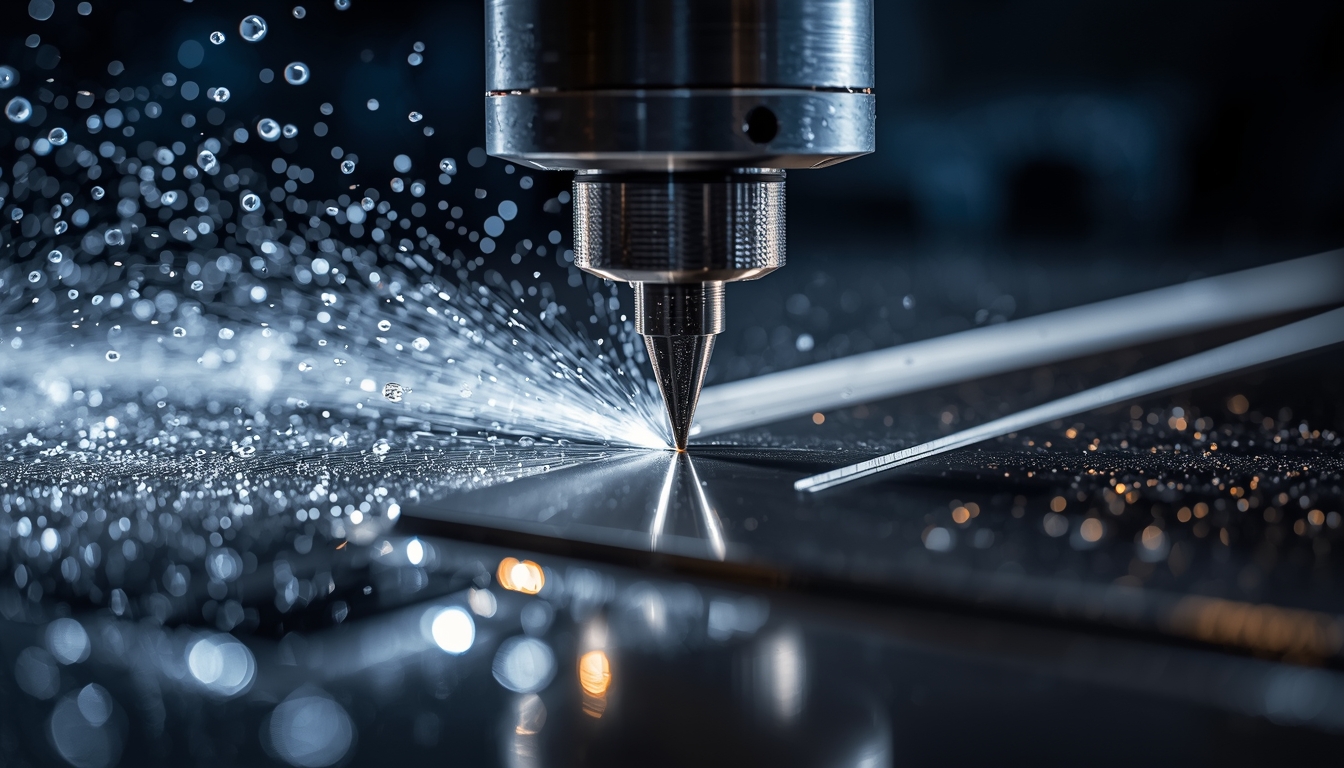
The most common coolant system in CNC machines is a flood coolant system. It involves a high volume and low pressure flow directed at the cutting zone. Flood coolant helps reduce heat buildup at the interface of the tool and the workpiece. This helps in slowing down tool wear mechanisms such as flank wear and edge degradation. 

But, as the pressure is low, the coolant may not always penetrate deep into the cut, especially in deep pockets or drilling operations. 

Flood coolant helps in improving finish by reducing the friction and preventing material adhesion. But in some materials like aluminium, it may not fully prevent Built-Up Edge (BUE).

2. Through Spindle Coolant:

Coolant through spindle helps in delivering fluid directly through the tool at high pressure. This method of coolant delivery is commonly used for tapping, deep pocket milling, and drilling. Here’s how it affects the tool life:

  • Reducing thermal shock
  • Improving chip evacuation
  • Delivering coolant exactly at the cutting edge

In this method of coolant through spindle, the surface finish of the finished product is improved as chips are cleared efficiently, preventing recutting marks.

3. High Pressure Coolant:

High pressure coolant systems operate at pressure levels typically above 20 bars. This coolant method is used in turning and deep milling applications. This method helps in improving the tool life by:

  • Reducing chip entanglement
  • Minimizing heat concentration
  • Breaking chips into smaller segments

This helps in the reduction of edge chipping and tool overload. This better chip control mechanism results in fewer scratches and surface defects, making it one of the most preferred machining coolant systems.

4. Minimum Quantity Lubrication:

This is one of the main CNC coolant delivery methods that uses a fine mist of oil instead of large volumes of coolant. It is common in dry or near dry machining environments. MQL helps in the reduction of friction but does not provide strong cooling. 

This method works well in light cutting operations and aluminium machining. But, if one needs to do heavy cutting work, a lack of cooling can accelerate the tool wear. 

5. Air Blast Cooling:

Air Blast systems use compressed air to remove chips instead of using liquid coolant. An air blast coolant system helps in the reduction of chip recutting, which helps improve tool life in light operations. However, it provides minimal cooling, so tools might wear faster under high loads. 

Surface finish improves when chips are effectively cleared, especially in materials like plastics and composites.

6. Cryogenic Cooling:

Cryogenic cooling is one of the main machining coolant systems that uses CO2 and liquid nitrogen for controlling temperature, and it is used in specialized machining applications. This cooling method helps in significantly reducing tool wear. It is helpful in machining:

  • Nickel alloys
  • Titanium

Surface finish improves with this method due to reduced thermal distortion and material smearing. 

7. Mist Coolant Systems:

Mist systems combine coolant and air into a fine spray. This helps in improving lubrication but offers limited cooling. It works better than dry machining but is less effective than flood cooling. The surface also improves with this method due to reduced friction, but inconsistency in delivery can cause variation. 

Now, if you are looking to buy used CNC for your manufacturing shop, then you can check the collection of MachineStation.

Conclusion: 

Coolant delivery methods play an important role in affecting the life of the cutting tool and the surface finish of the final product. So, make sure you select the right coolant system for your machining work as per your daily material machining requirements, then that will improve your machine’s tool life and the precision of the finished product. 

FAQs:

1. Does higher coolant pressure always improve tool life?

Higher pressure helps in chip breaking and penetration, but it must match the application. Excessive pressure without proper control may not provide additional benefits.

Run the machine, observe flow consistency, check pump noise, inspect filters, and look for leaks or blockages.

Indirectly, yes. Poor cooling can increase heat and friction, which may contribute to unstable cutting conditions.

Search for products

Select Language
Product has been added to your cart