Home / Blogs / Used CNC Machine Installation: What Your Shop Needs to Prepare

Used CNC Machine Installation: What Your Shop Needs to Prepare

Buying a used CNC machine is only the first step. Before it arrives at your facility, your shop needs to be ready for delivery, installation, and setup.

Insufficient floor space, incorrect electrical connections, or an unsuitable foundation can delay installation and add unexpected costs. Proper preparation helps you avoid these problems and get your machine ready for production.

Whether you’re installing a CNC lathe, vertical machining center, or horizontal machining center, here’s what to consider before your used CNC machine installation.
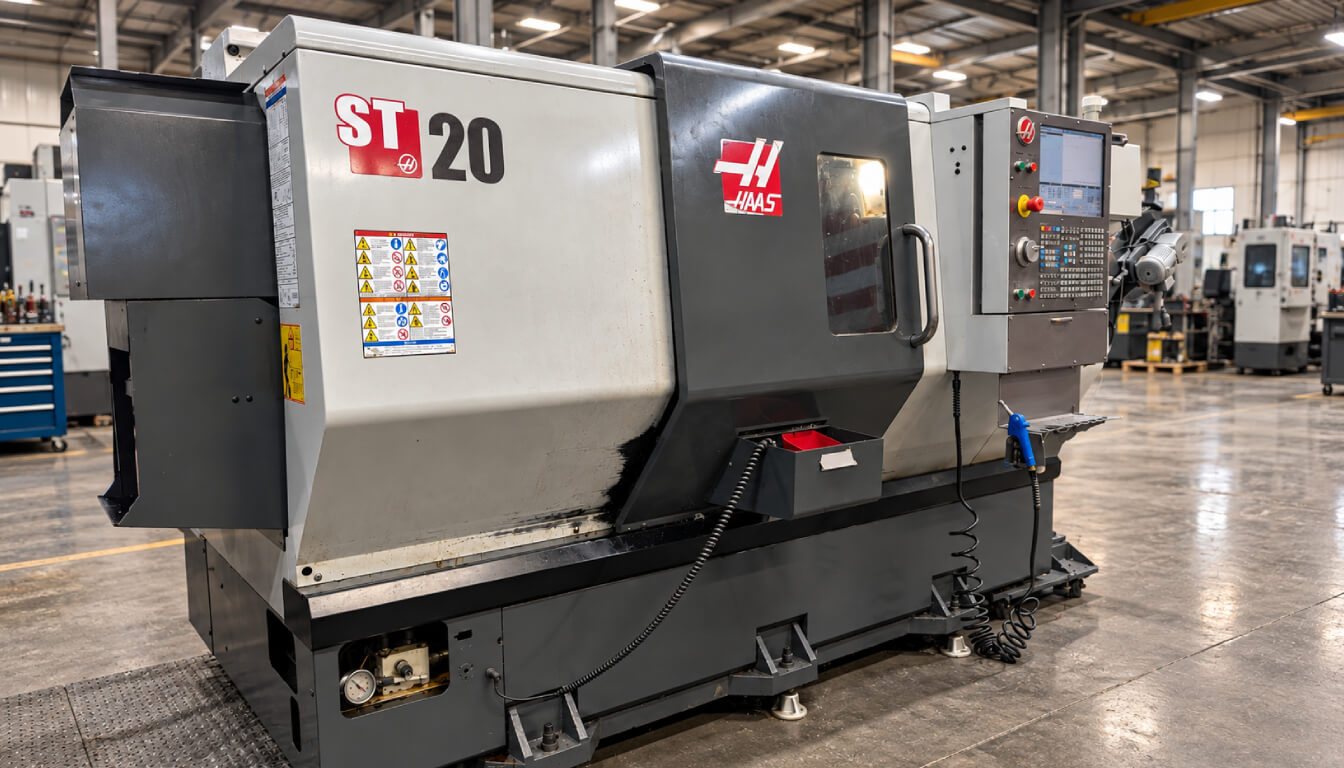
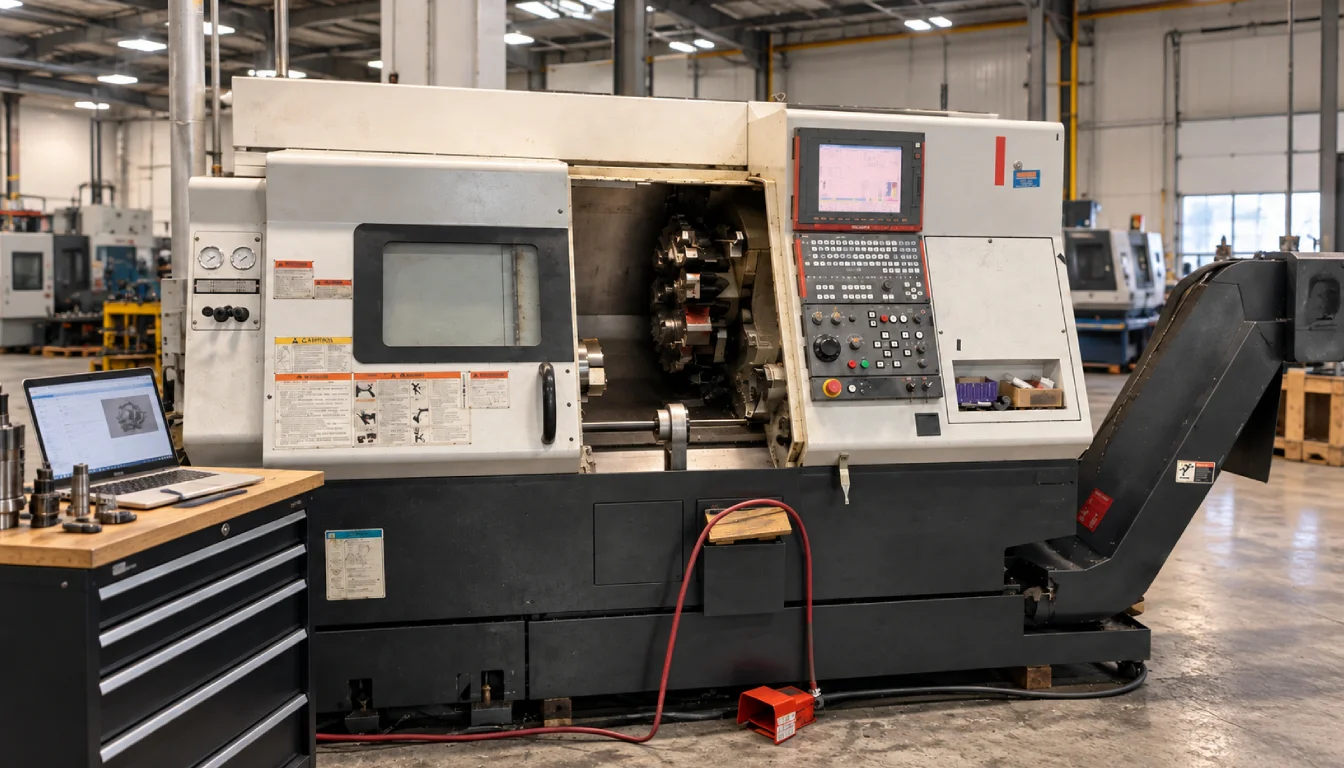
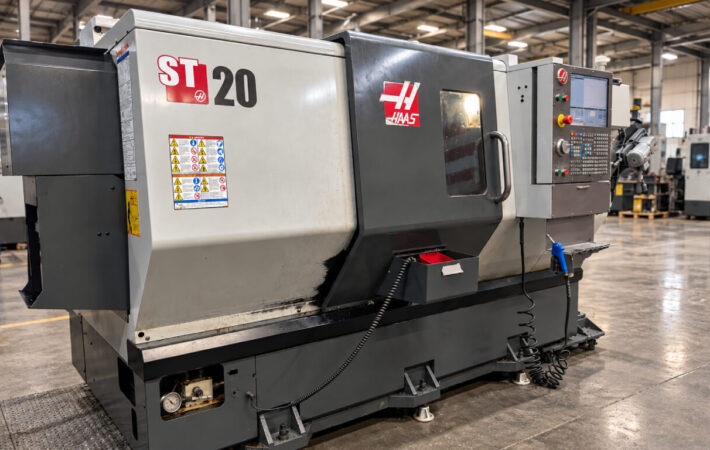
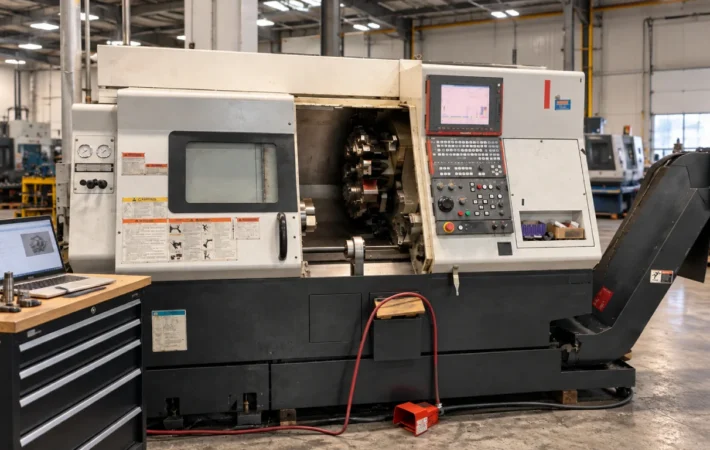
CNC Lathe Installation with Forklift

1. Confirm the Machine’s Dimensions and Weight

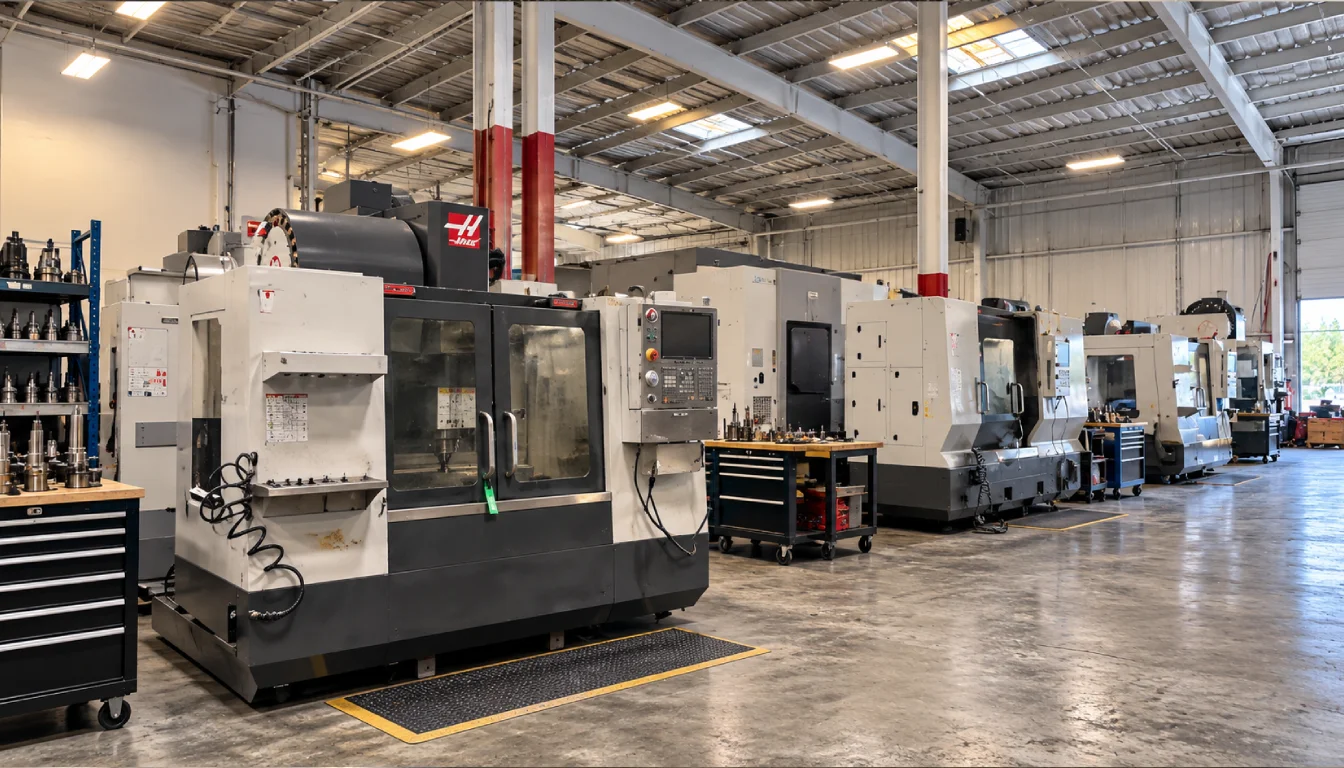
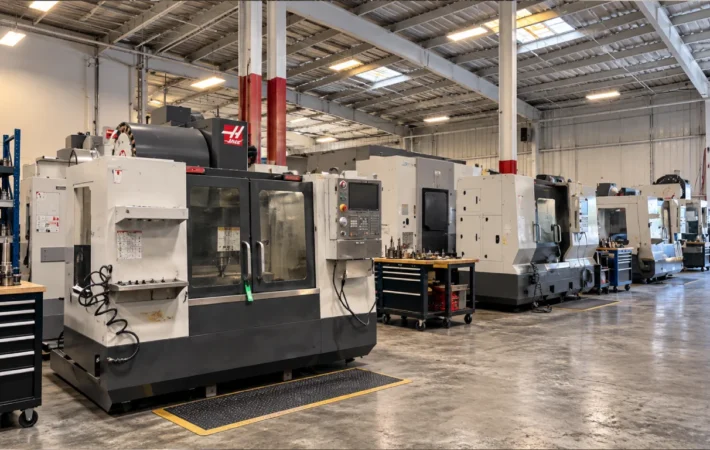
Start by reviewing the machine’s specifications and physical dimensions. You need enough space not only for the machine itself but also for operators, maintenance, and material handling.

Check:

  • Machine length, width, and height
  • Machine weight
  • Door and aisle clearance
  • Space for loading and unloading
  • Access for maintenance and servicing
  • Clearance for doors, panels, and chip conveyors

Also measure the route from the delivery point to the installation location. Doorways, overhead obstructions, and narrow aisles can create problems during machine movement.

Review the machine’s actual dimensions before finalizing your shop layout.

2. Check CNC Machine Power Requirements

Electrical preparation is one of the most important CNC machine installation requirements.

Different machines have different electrical specifications. Before delivery, confirm the machine’s voltage, phase, frequency, current requirements, and any special electrical requirements from its documentation or nameplate.

Ask a qualified electrician to verify:

  • Available electrical supply
  • Voltage and phase compatibility
  • Required circuit capacity
  • Grounding requirements
  • Disconnect and protection requirements

Do not assume that a machine will work with your existing electrical supply simply because it operates in a similar facility.

Always follow the manufacturer’s electrical specifications and have the connections checked by a qualified professional.

3. Prepare the CNC Machine Foundation

A suitable foundation helps support the machine and maintain its alignment and stability.

Some CNC machines can be installed on an appropriately rated concrete floor, while others may require specific foundation or anchoring arrangements.

Before installation, check:

  • Floor load capacity
  • Concrete condition and thickness
  • Foundation requirements
  • Leveling and anchoring instructions
  • Vibration considerations

The required foundation depends on the machine’s size, weight, design, and installation specifications.

Consult the machine documentation and a qualified installation professional before making changes to your shop floor.

4. Plan Rigging and Machine Delivery

Moving a heavy CNC machine requires proper equipment and experienced personnel.

Before scheduling delivery, confirm the unloading method, rigging requirements, and access to the installation area.

Consider:

  • Crane or forklift capacity
  • Lifting points and machine weight
  • Transport route inside the facility
  • Door and ceiling clearance
  • Safe unloading and positioning

Do not rely on the machine’s dimensions alone to plan the move. The rigging team should review the actual machine and site conditions before delivery.

5. Prepare Utilities and Supporting Equipment

Depending on the machine, installation may require more than electrical power.

Check whether your machine needs:

  • Compressed air
  • Coolant supply
  • Coolant filtration
  • Hydraulic power
  • Chip conveyor connections
  • Drainage or coolant collection
  • Network or program-transfer connections

Requirements vary by machine model and configuration. Confirm the necessary utilities before the machine arrives to avoid delays during setup.

6. Plan Machine Leveling and Setup

Once the machine is positioned, it may need leveling, anchoring, and alignment according to the manufacturer’s instructions.

Proper CNC machine setup is important for safe operation and machining accuracy.

Depending on the machine, setup may involve:

  • Leveling the machine
  • Checking alignment
  • Connecting utilities
  • Verifying safety systems
  • Testing machine movements
  • Checking spindle and tool changer operation

Use qualified technicians and follow the machine manufacturer’s procedures. Do not begin production until the required installation and safety checks are complete.

7. Arrange Tooling and Operator Preparation

Installation planning should also include what your team needs to operate the machine.

Before production, confirm the availability of suitable tooling, workholding equipment, manuals, and programming resources.

Your operators should understand the machine’s control system and safety procedures. If the control is unfamiliar, allow time for training before scheduling production.

8. Create an Installation Checklist

Before delivery, review the following checklist with your installation team.

  • Machine dimensions and weight confirmed
  • Floor space and access route checked
  • Electrical supply verified
  • Foundation and floor capacity reviewed
  • Rigging and unloading arranged
  • Required utilities prepared
  • Installation and leveling planned
  • Tooling and accessories confirmed
  • Operator training considered
  • Installation and safety checks scheduled

Completing these preparations before delivery can help reduce delays and unexpected installation costs.

Summary

Successful used CNC machine installation begins before the machine reaches your shop. Confirm the machine’s dimensions, electrical requirements, foundation needs, rigging arrangements, and supporting utilities in advance.

Every machine has different requirements, so use its documentation and consult qualified installation professionals rather than relying on general assumptions.

If you’re planning to purchase a machine, explore MachineStation’s used CNC machine inventory  and review the available machine specifications before arranging installation.

FAQs:

1. What should I prepare before installing a used CNC machine?

Prepare adequate floor space, a suitable foundation, compatible electrical power, required utilities, and a safe delivery route. Also arrange rigging and installation support.

Not all machines require a specially constructed foundation. Requirements depend on the machine’s weight, design, and manufacturer’s installation instructions.

Check the machine’s nameplate and documentation for voltage, phase, frequency, and current requirements. Have a qualified electrician verify that your facility can support them.

Proper leveling helps maintain machine stability and supports accurate operation. Follow the manufacturer’s leveling procedure and use qualified technicians.

Yes. Plan unloading, transportation inside the facility, and final positioning in advance. Confirm the machine’s weight, lifting points, and access route with the rigging team.

Back to Top
Select Language
Product has been added to your cart
Max · MachineStation
Looking for a machine? I can check live inventory for you. 👋