Home / Blogs / What Should You Know Before Buying a Used CNC Turning Center?

What Should You Know Before Buying a Used CNC Turning Center?

A used CNC turning center can help manufacturers expand production capacity without the cost of purchasing new equipment. However, choosing the right machine requires more than comparing prices and specifications.

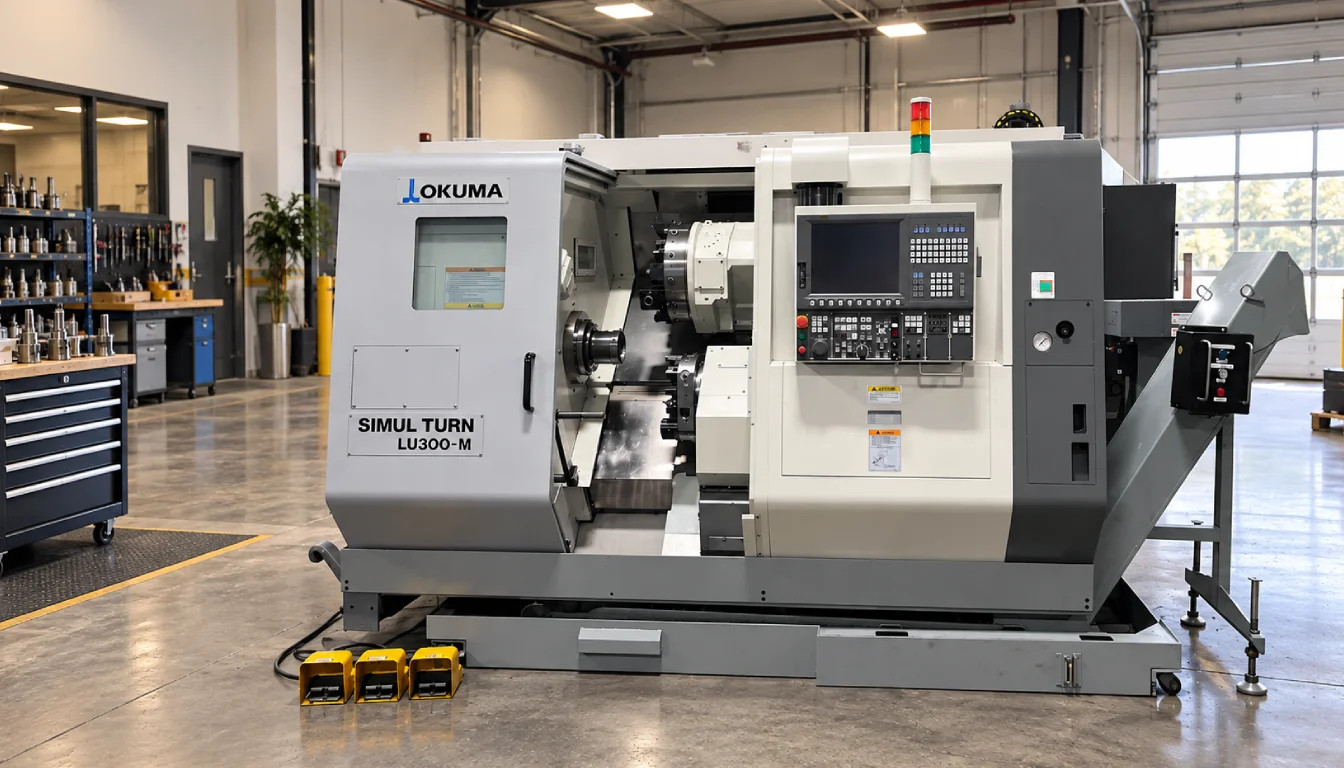
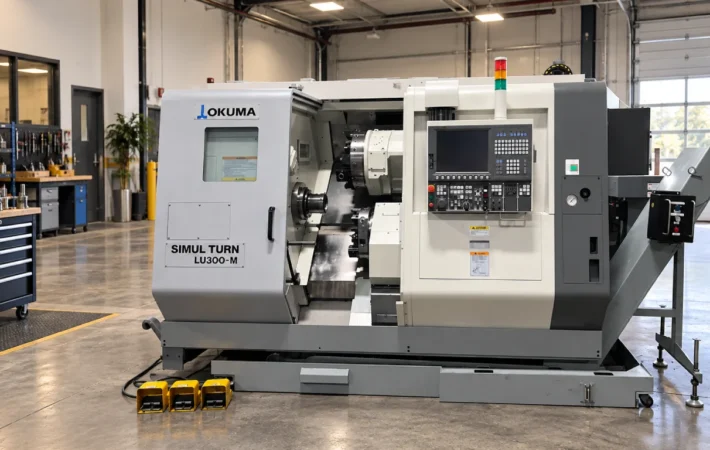
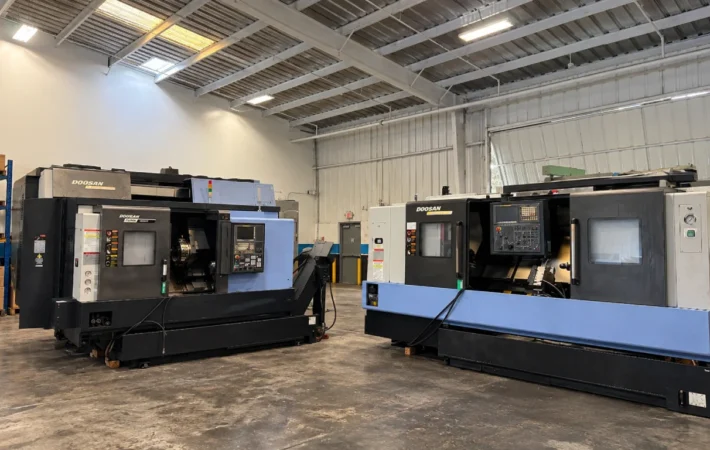
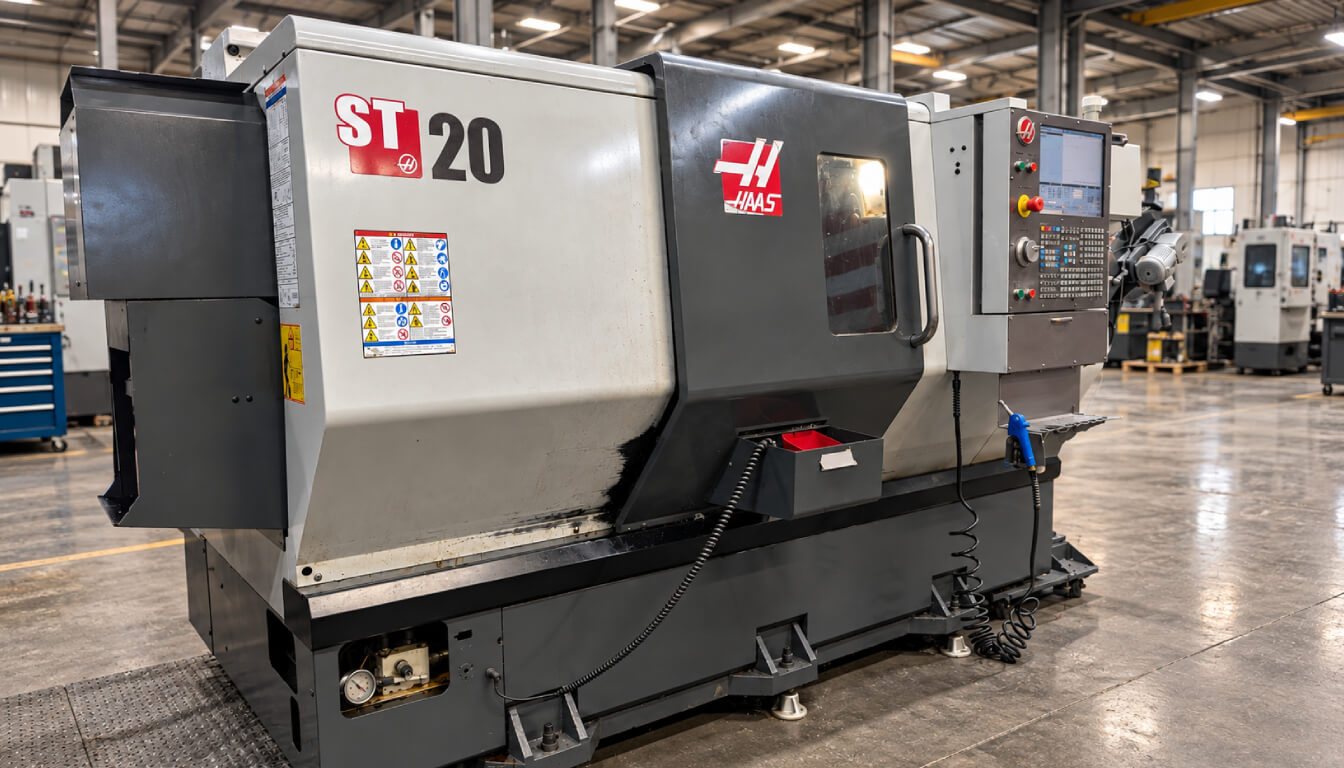
Before purchasing a used CNC turning center, consider the parts you manufacture, the machine’s capacity, spindle condition, tooling, CNC control, and maintenance history. These factors can affect whether the machine fits your production requirements.

Here are the key things to check before buying a used turning center.
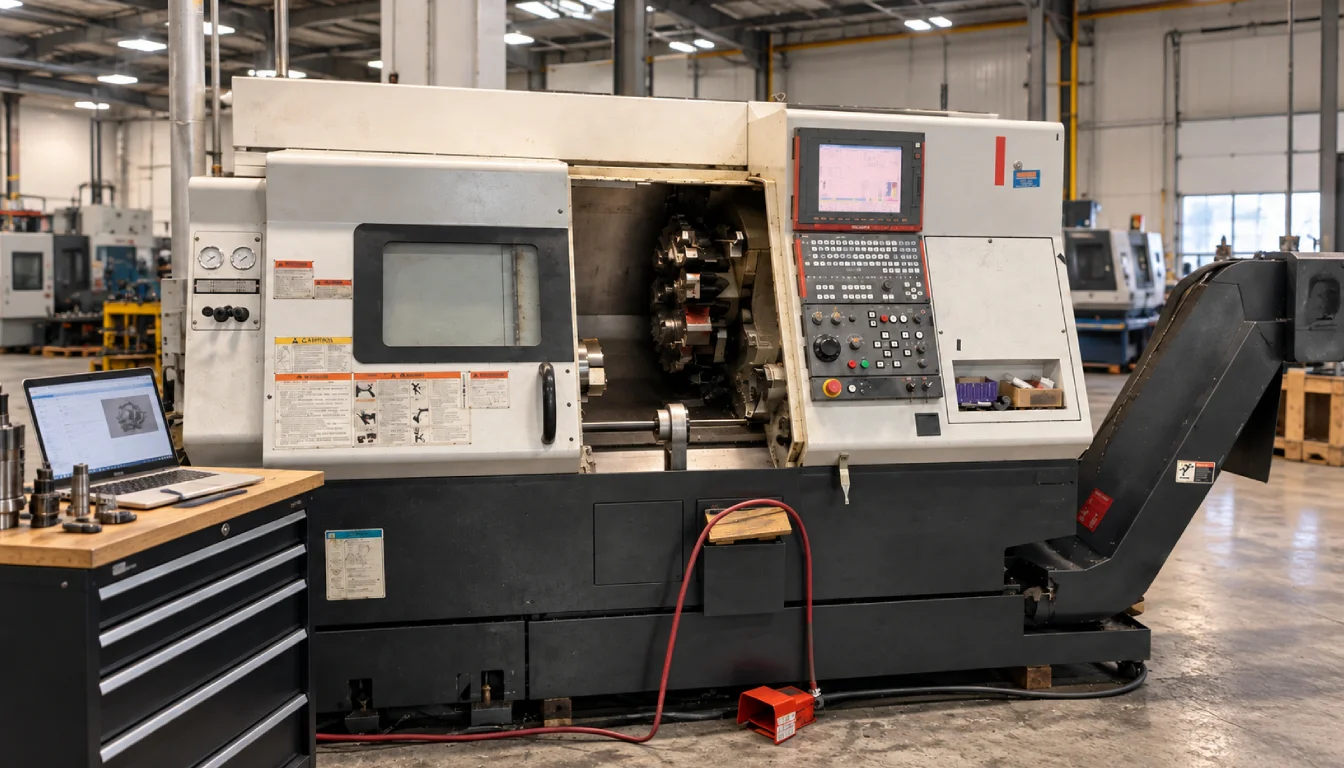
Used CNC Turning Center: What Buyers Should Know

1. Understand Your Production Requirements

Start by identifying the type of parts you need to manufacture. Consider the material, part diameter, length, required tolerances, and production volume.

For example, a shop producing small precision components may need different capabilities from a manufacturer machining large steel shafts.

Before searching for a used CNC turning center for sale, determine:

  • Maximum workpiece diameter and length
  • Required machining operations
  • Material types
  • Required production volume
  • Whether live tooling or a Y-axis is necessary

Your production requirements should guide your machine selection.

2. Check the Machine’s Capacity and Specifications

Review the specifications carefully to confirm that the CNC turning machine can handle your workpieces.

Important specifications include:

  • Maximum turning diameter
  • Maximum turning length
  • Bar capacity
  • Chuck size
  • Spindle bore
  • Spindle speed and horsepower
  • Number of axes
  • Turret tool capacity

Don’t assume that two machines with similar model names have identical configurations. Check the actual specifications and installed options of the machine being offered.

You can explore MachineStation’s used CNC lathes and turning centers  to compare available machines.

3. Evaluate the Spindle and Mechanical Condition

The spindle is one of the most important components of a CNC turning machine. Its condition can affect machining accuracy, surface finish, and production reliability.

Before purchasing, ask about:

  • Spindle operating condition
  • Unusual noise or vibration
  • Spindle runout, if measured
  • Known spindle repairs
  • Available maintenance records

Also review the condition of the turret, chuck, ways, and other major mechanical components.

Photographs and videos can provide useful information, but they may not reveal every mechanical issue. Request an inspection or operational demonstration when possible.

4. Review the CNC Control

The CNC control affects programming, setup, and everyday machine operation.

Check the control manufacturer and model, its operating condition, and whether your operators are familiar with it.

Also confirm that the control supports your programming workflow and that suitable documentation is available.

If the machine has live tooling or a Y-axis, verify that the control and machine configuration support the operations you intend to perform.

Read our guide to used CNC machine control systems  for more information.

5. Check Tooling and Included Accessories

A used turning center may come with tooling and accessories, but the included equipment can vary from machine to machine.

Ask whether the purchase includes:

  • Tool holders and live tool holders
  • Chuck and jaws
  • Collets
  • Tailstock or sub-spindle, if equipped
  • Chip conveyor
  • Parts catcher
  • Manuals and accessories

Confirm exactly what is included in the sale. Missing tooling or accessories may add to your initial investment.

6. Consider Operating Hours and Maintenance History

Machine hours can help you understand how much a machine has been used, but they should not be the only measure of its condition.

Ask for available power-on hours, spindle hours, maintenance records, and information about previous repairs.

A machine with higher hours may still be suitable if it has been maintained properly. A machine with fewer hours may still need attention if it has experienced problems.

Read our guide on used CNC machine operating hours  to understand how to evaluate this information.

7. Calculate the Total Purchase Cost

The listed price is only one part of buying a used CNC turning center.

Include the potential cost of:

  • Shipping and transportation
  • Rigging and unloading
  • Installation
  • Electrical preparation
  • Tooling and accessories
  • Repairs or maintenance
  • Operator training

Calculate these costs before comparing machines. This gives you a more realistic view of the investment required to get the machine into production.

8. Ask the Seller Important Questions

Before committing to a purchase, clarify the machine’s current condition and what is included.

Ask whether you can review additional photographs, request an operational video, or arrange an inspection. Also confirm the machine’s availability, documentation, and shipping arrangements.

MachineStation’s used CNC machine inventory  provides a starting point for comparing available equipment and its listed details.

Summary

Choosing a used CNC turning center starts with understanding your production requirements. Compare machine capacity, spindle condition, CNC control, tooling, operating hours, maintenance history, and total acquisition cost before making a decision.

A careful evaluation can help you identify a machine that fits your shop’s needs and avoid unexpected costs after purchase.

Explore MachineStation’s used CNC turning centers  to review available inventory and machine specifications.

FAQs:

1. What should I check before buying a used CNC turning center?

Check the machine’s capacity, spindle condition, CNC control, turret, chuck, tooling, operating hours, maintenance history, and total purchase cost.

A CNC turning center generally offers additional capabilities, such as live tooling, a Y-axis, or a sub-spindle. However, configurations vary, so check the specifications of each machine.

Yes. Operating hours provide useful context, but they should be considered alongside maintenance records, repairs, and the machine’s current condition.

Consider transportation, rigging, installation, electrical preparation, tooling, maintenance, and operator training.

You can explore

MachineStation’s used CNC lathes and turning centers inventory to review available machines and their specifications.

Back to Top
Select Language
Product has been added to your cart
Max · MachineStation
Looking for a machine? I can check live inventory for you. 👋