Home / Blogs / Owner vs. Broker: What Used CNC Buyers Should Know

Owner vs. Broker: What Used CNC Buyers Should Know

When buying a used CNC machine, understanding who you are purchasing from is just as important as evaluating the machine itself. Some machinery dealers own the equipment they sell, while brokers may connect buyers with equipment owners or facilitate transactions on their behalf.

Neither arrangement is automatically better in every situation. What matters is knowing who owns the machine, who is authorized to sell it, who will receive your payment, and which company is responsible for the terms of the transaction.

Here is what used CNC buyers should understand before making a purchase.
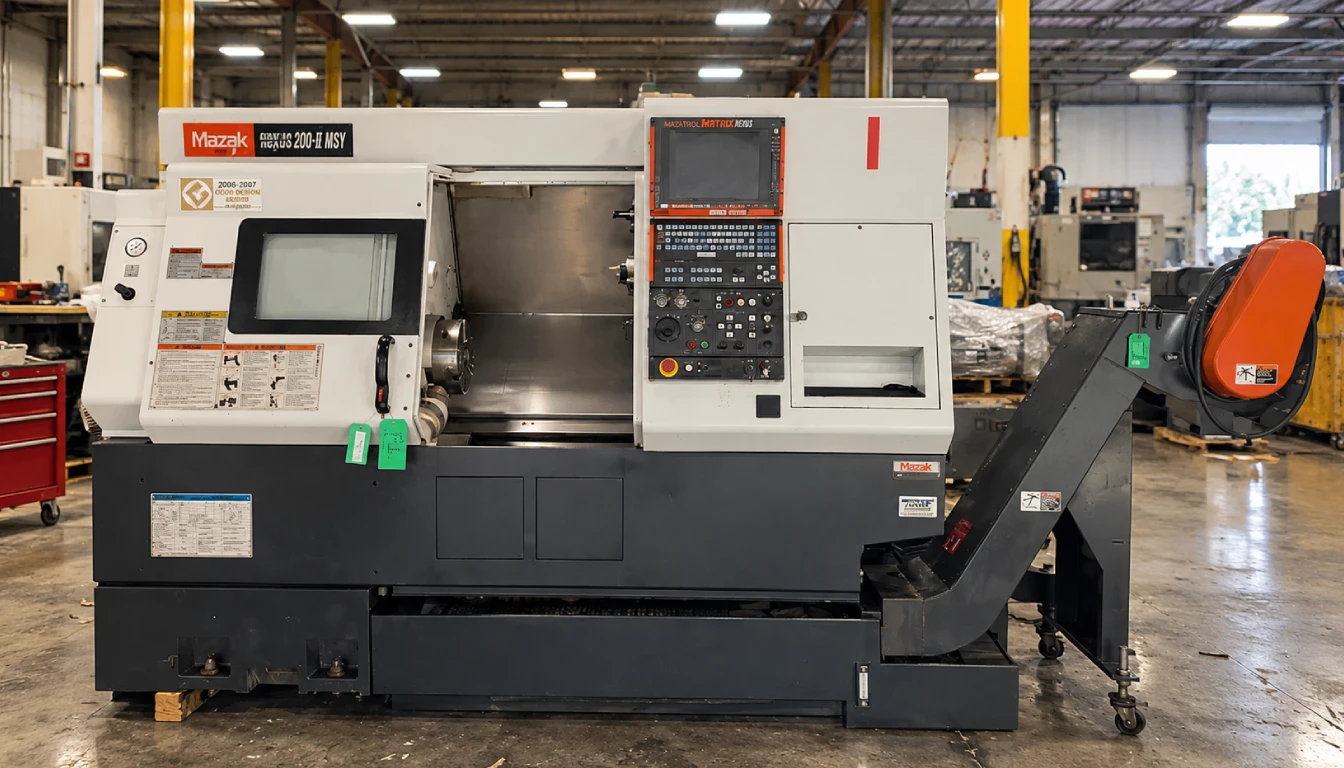
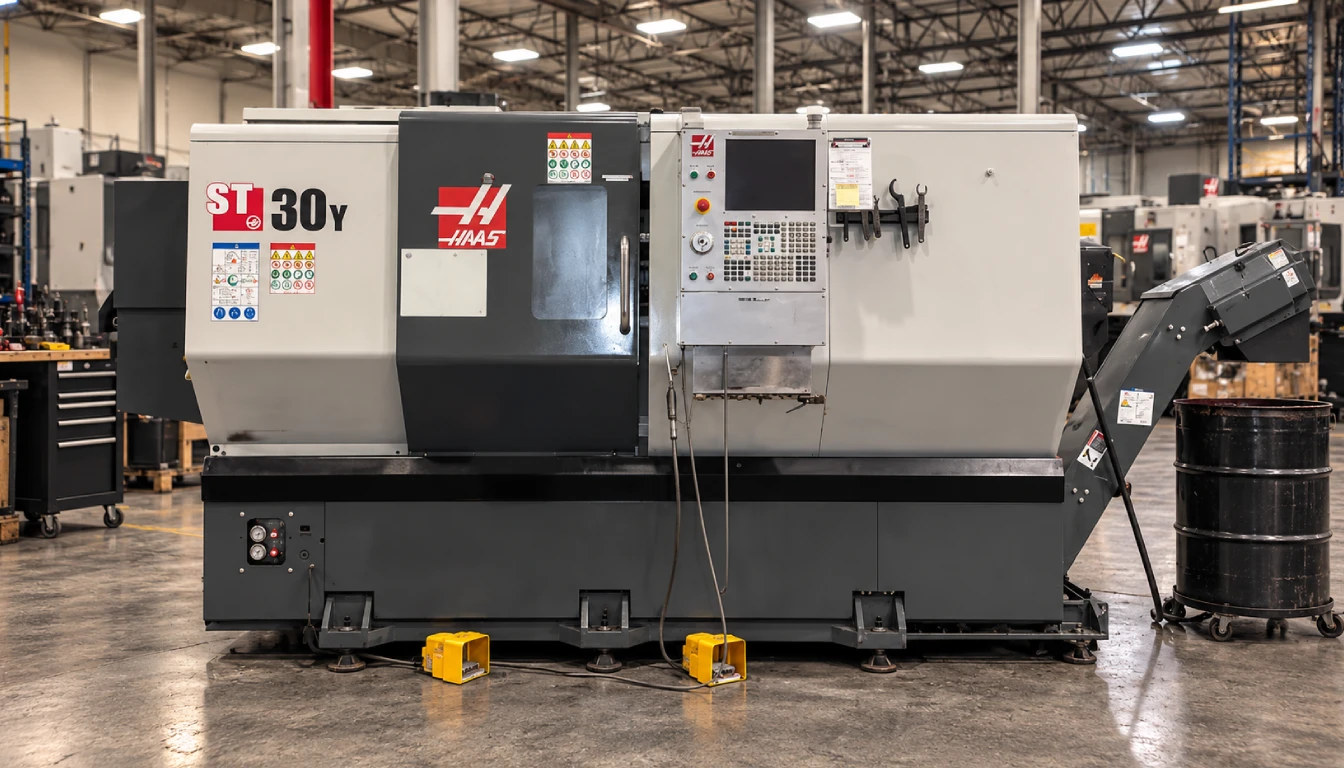
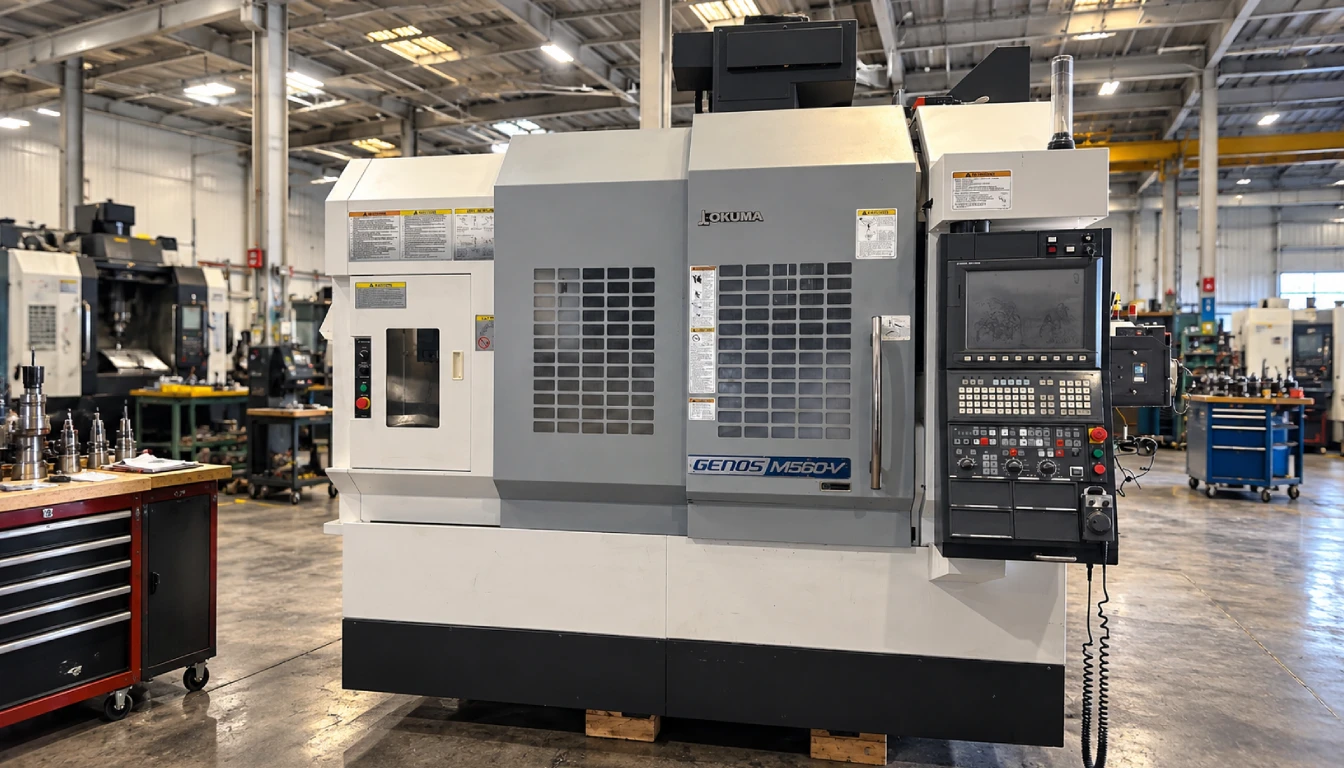
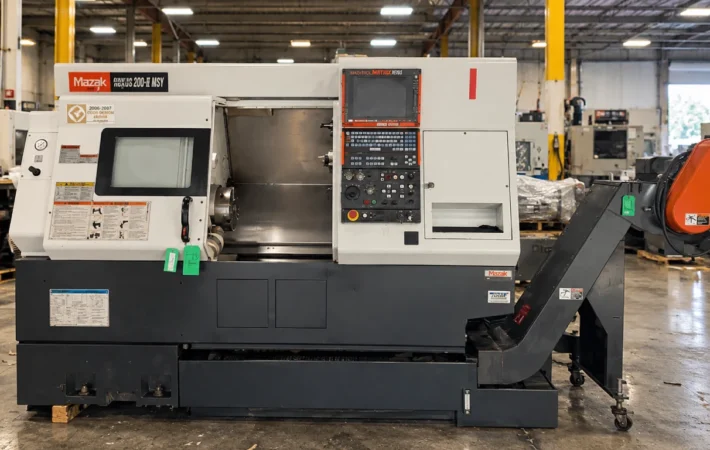
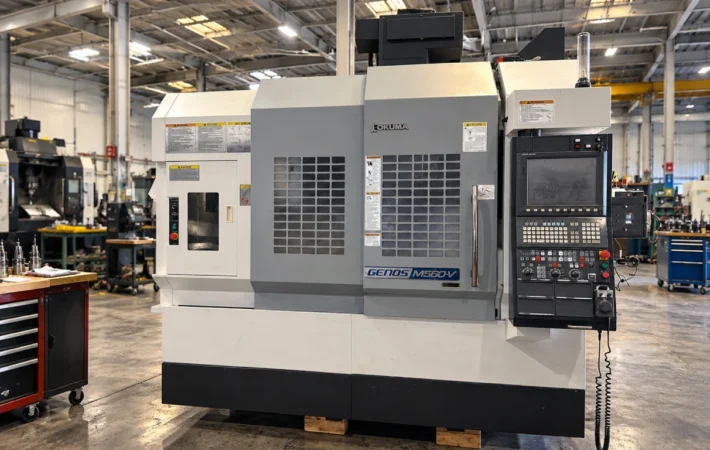
Used CNC machine inventory and ownership transparency at MachineStation

What Is the Difference Between a CNC Machine Owner and a Broker?

What Is an Equipment Owner?

An equipment owner holds ownership rights to the machine and can offer it for sale, subject to any applicable agreements or legal restrictions.

When a dealer owns the machine it advertises, it may have more direct control over the sales process, machine access, pricing decisions, and transaction coordination. Buyers should still confirm the machine’s condition, availability, included accessories, and written sales terms.

What Is a CNC Machine Broker?

A machinery broker typically helps connect a machine’s owner with a potential buyer. Depending on the agreement, the broker may market the equipment, manage inquiries, coordinate inspections, negotiate terms, or facilitate the sale.

A broker may not own the machine. However, a broker can still be a legitimate and useful part of a transaction when the relationship and authority to represent the machine are clear.

Some dealers also work through consignment, partner arrangements, or other sales structures. Therefore, buyers should ask about the specific transaction instead of making assumptions based on the word “dealer” or “broker.”

Why Does Ownership Matter When Buying Used CNC Machinery?

Ownership and seller authority can affect several practical parts of a purchase.

Machine access: Knowing who controls the equipment helps you arrange an inspection, request recent photos, or schedule a live video walkthrough.

Availability: A clear relationship with the owner or authorized seller makes it easier to confirm whether the machine is still available.

Payment clarity: Buyers should understand which legal entity is receiving funds and how that entity is connected to the sale.

Documentation: The quotation, invoice, purchase agreement, and payment instructions should clearly identify the relevant parties.

Responsibility: Before committing, clarify who will address questions about the machine’s condition, included equipment, delivery arrangements, and agreed terms.

These checks help buyers reduce uncertainty, regardless of whether they purchase directly from an owner or through a broker.

How to Verify Who Is Selling the Machine

Before sending a deposit or signing a purchase agreement, ask these questions:

  1. Who owns the machine? Ask whether the seller owns it, has a disclosed ownership interest, or represents another owner.
  2. Who is authorized to complete the sale? If the seller is acting on behalf of someone else, ask for confirmation of that authority.
  3. Where is the machine located? Confirm its physical location and whether an inspection or live video walkthrough is possible.
  4. Who will receive payment? Confirm the legal name of the payment recipient and its relationship to the transaction.
  5. What documents will I receive? Request a written quotation or purchase agreement that identifies the machine, seller, price, included items, and agreed terms.

Also verify the machine’s identity using its serial or identification details where available. Review its specifications, condition, operating hours, maintenance history, and included accessories.

For more information, read How to Buy a Used CNC Machine Online With Confidence.

Is Buying Directly From an Owner Always Better?

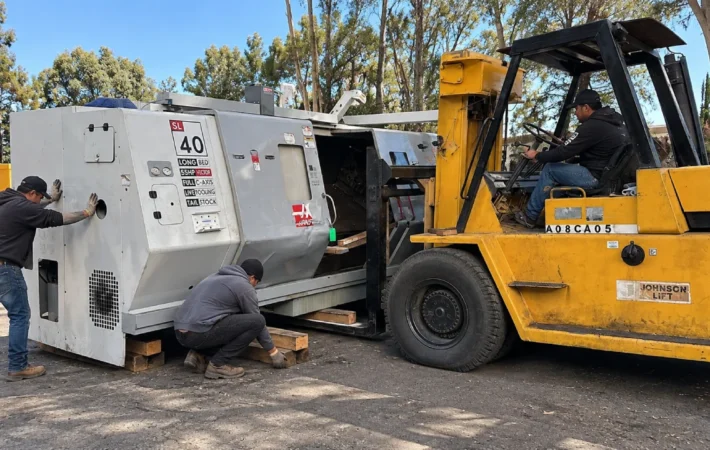
Not necessarily. Buying directly from an owner can provide a straightforward transaction, but the buyer may need to coordinate inspections, negotiations, dismantling, rigging, and transportation independently.

A broker may offer valuable market knowledge, access to equipment, and transaction support. A dealer that owns the equipment may also coordinate logistics and provide a more direct sales process.

Instead of choosing based on labels alone, compare the seller’s transparency, machine information, written terms, responsiveness, and ability to support the transaction.

How MachineStation Approaches Inventory Ownership

MachineStation emphasizes clarity about the ownership status of its inventory. Under its stated MachineStation Owned Inventory approach, a machine represented as MachineStation-owned inventory is owned by MachineStation or has a disclosed ownership interest.

Buyers who want to understand this approach can visit the MachineStation Owned Inventory page.

You can also browse Used CNC Machines and contact the team through the Contact MachineStation page if you need clarification about a specific listing.

If you own equipment and are looking to sell, visit Sell Your Machine to learn about MachineStation’s purchasing process.

Make an Informed Used CNC Machine Purchase

The difference between an owner and a broker comes down to the role each party plays in the transaction. An owner holds ownership rights to the machine, while a broker typically facilitates a sale on behalf of another party.

Both arrangements can work for buyers. The key is to verify ownership or selling authority, confirm the machine’s location and availability, understand the payment recipient, and document the purchase terms before committing funds.

A transparent transaction starts with clear answers—not assumptions.

FAQs:

1. What is the difference between a used CNC machine owner and a broker?

An owner holds ownership rights to the machine. A broker typically helps market the equipment or facilitate a transaction on behalf of an owner, according to their agreement.

It can be, provided the broker’s role and authority are clear. Verify the machine, owner or authorized seller, payment recipient, and written transaction terms before sending funds.

Ask the seller to clarify the ownership arrangement, confirm their authority to sell, verify the machine’s identification details, and review the purchase documentation.

No. Dealers may sell owned inventory, broker equipment, or work through consignment and partner arrangements. Buyers should confirm the arrangement for the specific machine.

It helps buyers understand MachineStation’s stated approach to inventory ownership. Buyers can visit the Owned Inventory page or contact the team to clarify a particular listing.

Back to Top
Select Language
Product has been added to your cart
Max · MachineStation
Looking for a machine? I can check live inventory for you. 👋