Home / Blogs / Used CNC Swiss-Type Lathes: Is It Right for Your Production?

Used CNC Swiss-Type Lathes: Is It Right for Your Production?

Imagine your shop produces small, precision components in repeated batches. Each part requires tight dimensional control, multiple machining operations, and consistent cycle times. A conventional CNC lathe may handle the work, but repeated setups and secondary operations can affect production efficiency.

This is where a Swiss-type CNC lathe may be worth considering.

However, not every machine shop needs Swiss turning. Before investing in used CNC Swiss lathes, understand the type of components these machines are designed to produce and whether their capabilities match your workload.
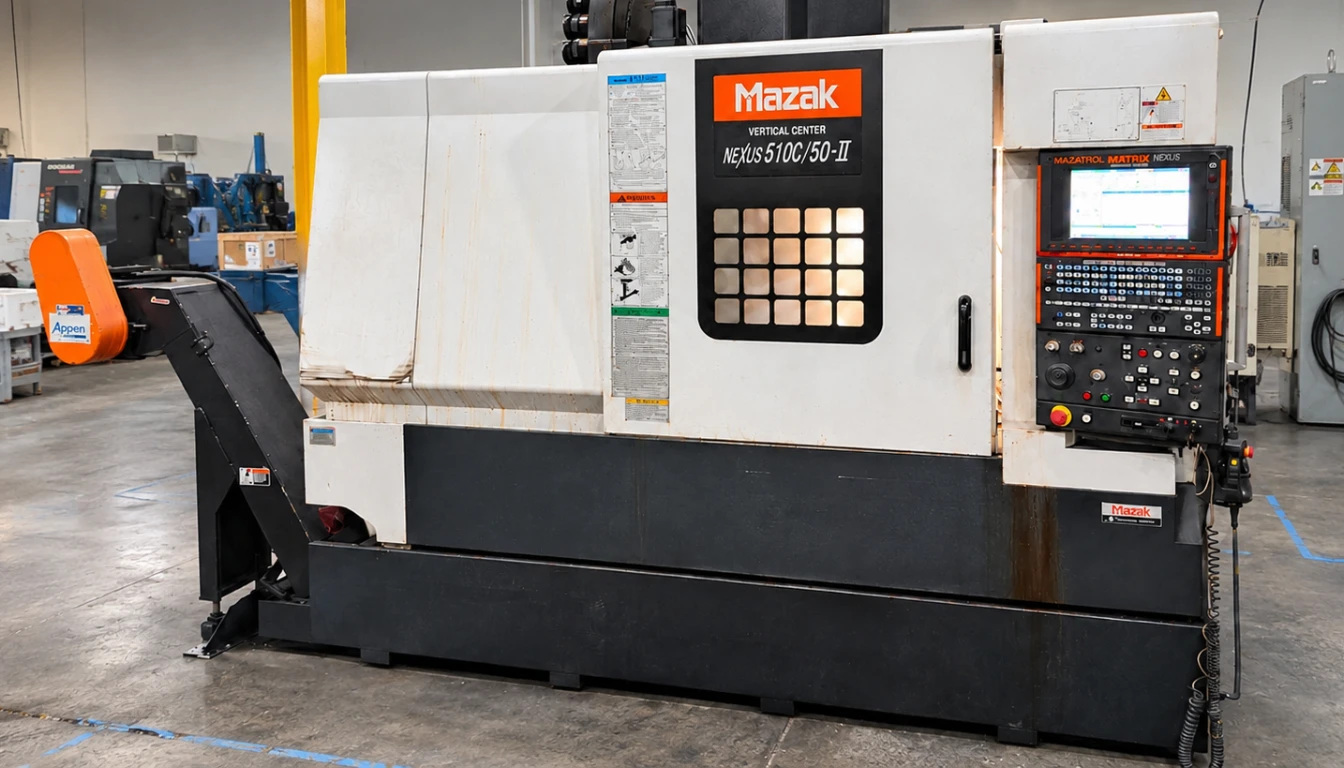
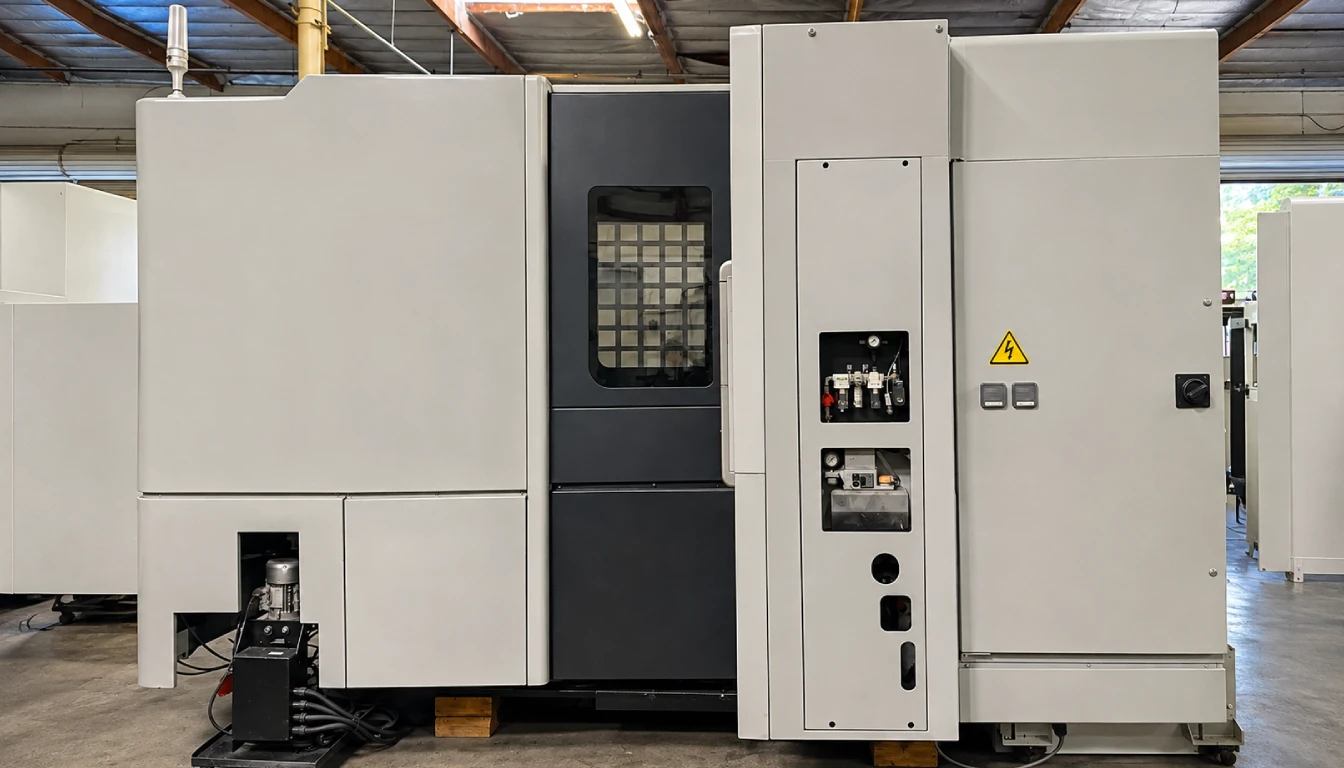
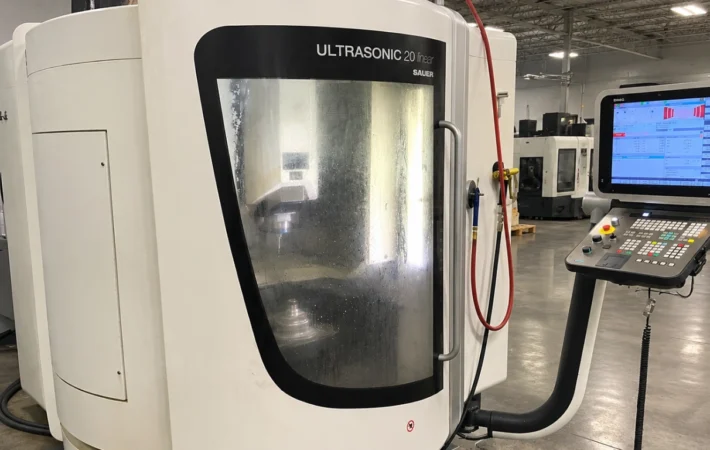
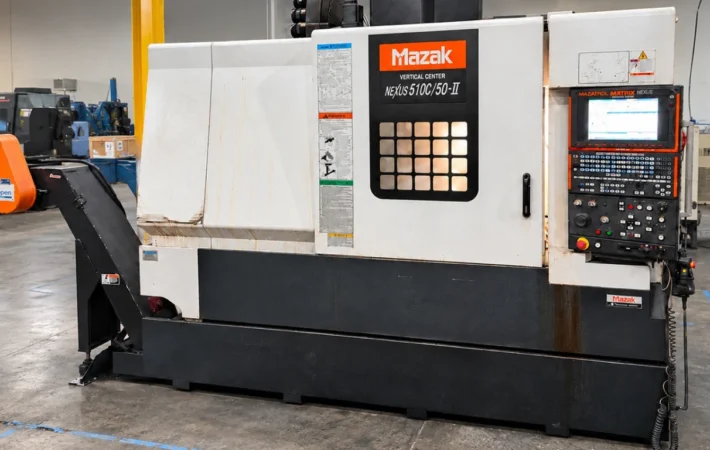
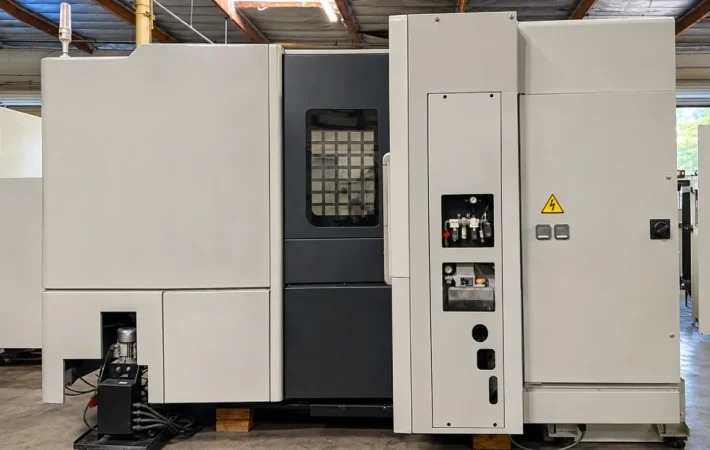
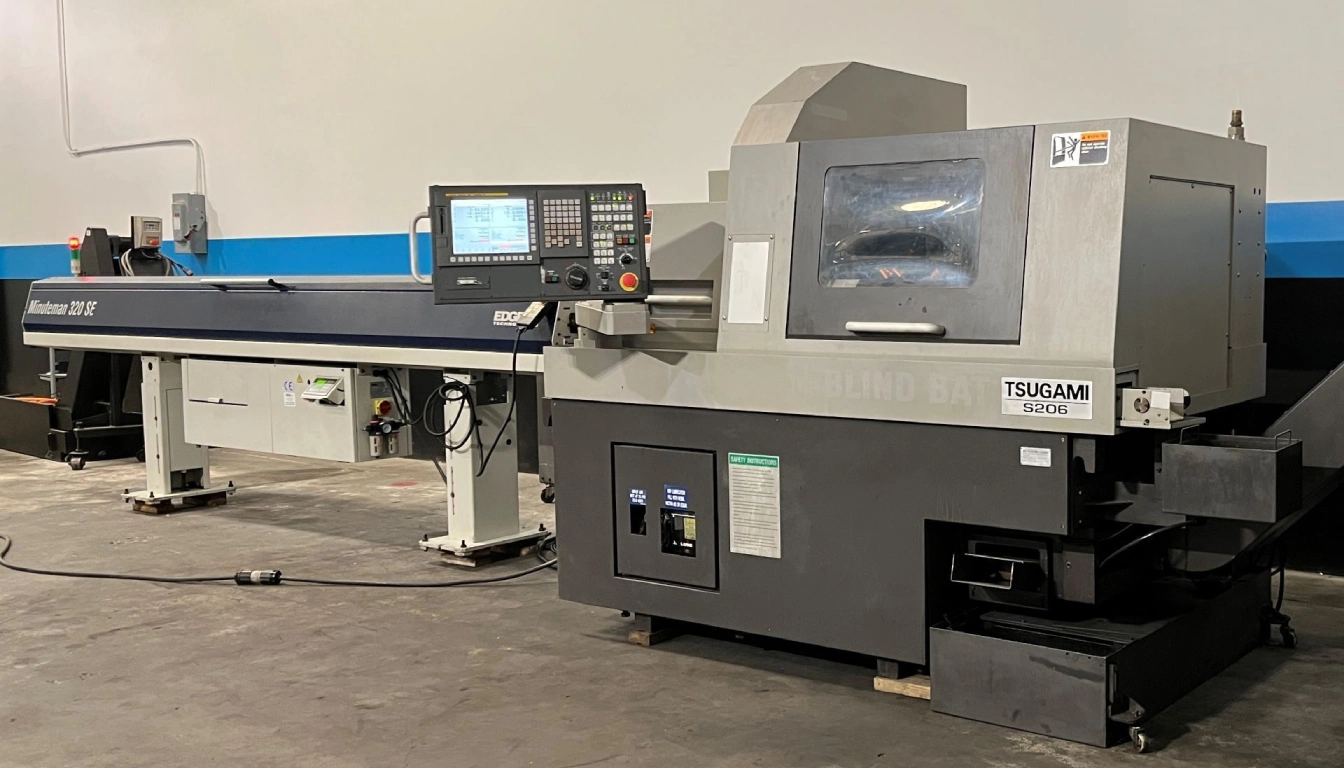
Used CNC Swiss-type automatic lathe available at MachineStation

First Question: What Parts Does Your Shop Manufacture?

Swiss-type lathes are commonly used for machining relatively small, slender, precision components. Their sliding-headstock design and guide bushing system support the workpiece close to the cutting area, helping control deflection during machining.

Typical applications include:

  • Medical and surgical components
  • Automotive precision parts
  • Electronic connectors and pins
  • Small shafts, screws, and fasteners
  • Aerospace precision components
  • Other small-diameter turned parts

If your production mainly involves large-diameter components, heavy-duty turning, or occasional one-off jobs, a conventional CNC turning center may be a more suitable option.

Swiss Lathe vs. Conventional CNC Lathe: Which Fits?

Production requirementSwiss-type CNC latheConventional CNC lathe
Small-diameter componentsOften well suitedDepends on machine configuration
Long, slender partsGuide bushing support can helpWorkholding and support requirements vary
High-volume repeat productionOften a strong applicationAlso suitable, depending on the job
Large-diameter turningGenerally less suitableOften better suited
Multiple operationsLive tooling and sub-spindles may reduce secondary setupsDepends on available axes and tooling

The right choice depends on your part drawings, tolerances, material, batch sizes, and required cycle time—not simply the machine type.

Three Signs Your Shop May Need Swiss Turning

1 You regularly produce small, slender components

If your work includes long, narrow parts that are difficult to support during conventional turning, a Swiss-type machine’s guide bushing arrangement may provide an advantage.

2 You want to combine multiple operations

Some Swiss turning centers include live tooling, C-axis capability, Y-axis movement, and a sub-spindle. Depending on the configuration, these features can support drilling, milling, and back-working operations within one machining cycle.

3 You have repeat production requirements

Swiss machines are often used where consistent production of similar precision components is important. If your shop regularly runs repeat batches, compare the machine’s cycle capabilities with your current production process.

Don’t Buy by Brand or Axis Count Alone

Two Swiss-type machines can look similar but have significantly different capabilities. Evaluate the configuration against the parts you actually manufacture.

Pay particular attention to:

  • Bar capacity: Does the machine accept the diameter of your raw material?
  • Guide bushing: Is a guide bushing installed? Can the machine operate in a suitable guide-bushing or non-guide-bushing configuration?
  • Main and sub-spindle: Does the machine support the secondary operations your parts require?
  • Live tooling: Check the number, type, and speed of powered tool positions.
  • Axis configuration: Verify the available X, Y, and Z axes, C-axis functions, and control capabilities.
  • Bar feeder: Confirm whether a bar feeder is included, compatible, or needs to be purchased separately.
  • CNC control: Check programming compatibility, installed options, and operator familiarity.

For additional buying checks, review our guides on used CNC machine control systems, operating hours, and maintenance history.

What to Inspect When Buying a Used Swiss Lathe

A used Swiss turning center needs more than a basic visual inspection. Ask for information about spindle condition, guide bushing assembly, rotary tooling, axis movement, bar feeder operation, and sub-spindle synchronization where applicable.

Also review available maintenance records, operating hours, alarms, and machine demonstration details. Confirm the included accessories and options in writing; do not assume that a bar feeder, tooling, or other equipment shown in photographs is part of the sale.

MachineStation product listings provide machine-specific specifications and equipment details. For example, review the Tsugami B0205-II Swiss-type lathe to see an example of a listing with a Fanuc control, bar feeder, back spindle, and live-tool capability.

Explore Used CNC Swiss Lathes at MachineStation

If your shop regularly manufactures small, precision components, a Swiss-type machine may be worth evaluating. If your production involves larger parts or varied turning jobs, compare conventional CNC lathes before deciding.

Browse MachineStation’s used CNC Swiss lathes to compare available machines, specifications, and configurations.

Not sure which Swiss turning center fits your production? Contact MachineStation with your part diameter, material, machining length, and production requirements so you can discuss suitable machine options.

FAQs:

1. What are used CNC Swiss lathes best suited for?

They are commonly used for small, precision components, especially slender parts and repeat production applications.

A Swiss-type lathe typically uses a sliding headstock and guide bushing to support material close to the cutting area. Conventional CNC lathes generally use a different workholding and turning arrangement.

It can be suitable, depending on the component, machine configuration, cycle time, automation, and production requirements.

Check bar capacity, guide bushing, spindle condition, sub-spindle, live tooling, axis configuration, CNC control, bar feeder, and maintenance history.

No. Verify whether the bar feeder is included, compatible, or sold separately in the specific machine listing and quotation.

Back to Top
Select Language
Product has been added to your cart
Max · MachineStation
Looking for a machine? I can check live inventory for you. 👋