Home / Blogs / Swiss Lathe vs Traditional CNC Lathe

Swiss Lathe vs Traditional CNC Lathe

Lathes are used for turning operations, which is known to all. But what people often don’t know is that there are two major types of lathes – Swiss lathes and CNC lathes. These machines have different specifications and are used to achieve different machining results. So, when buying lathes, it’s very important to understand the two different types of lathes properly, and then you can make the right decision. In case you are looking to know the major differences between a Swiss lathe vs CNC lathe, then read this blog till the end.
What are the Differences Between Swiss Lathes and CNC Lathes?

1. Difference of Working Principle:

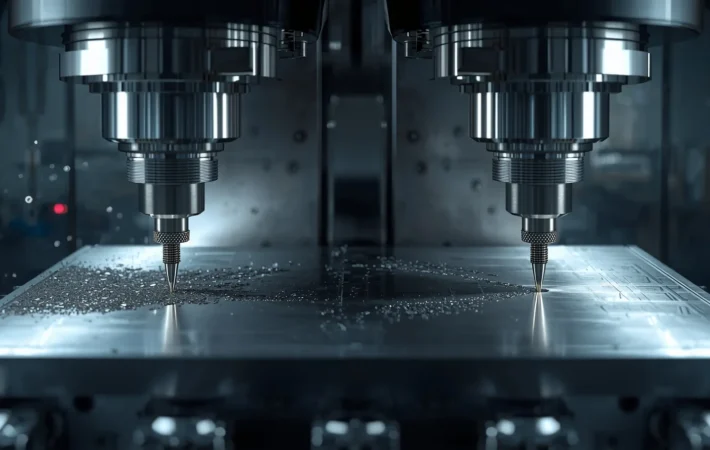
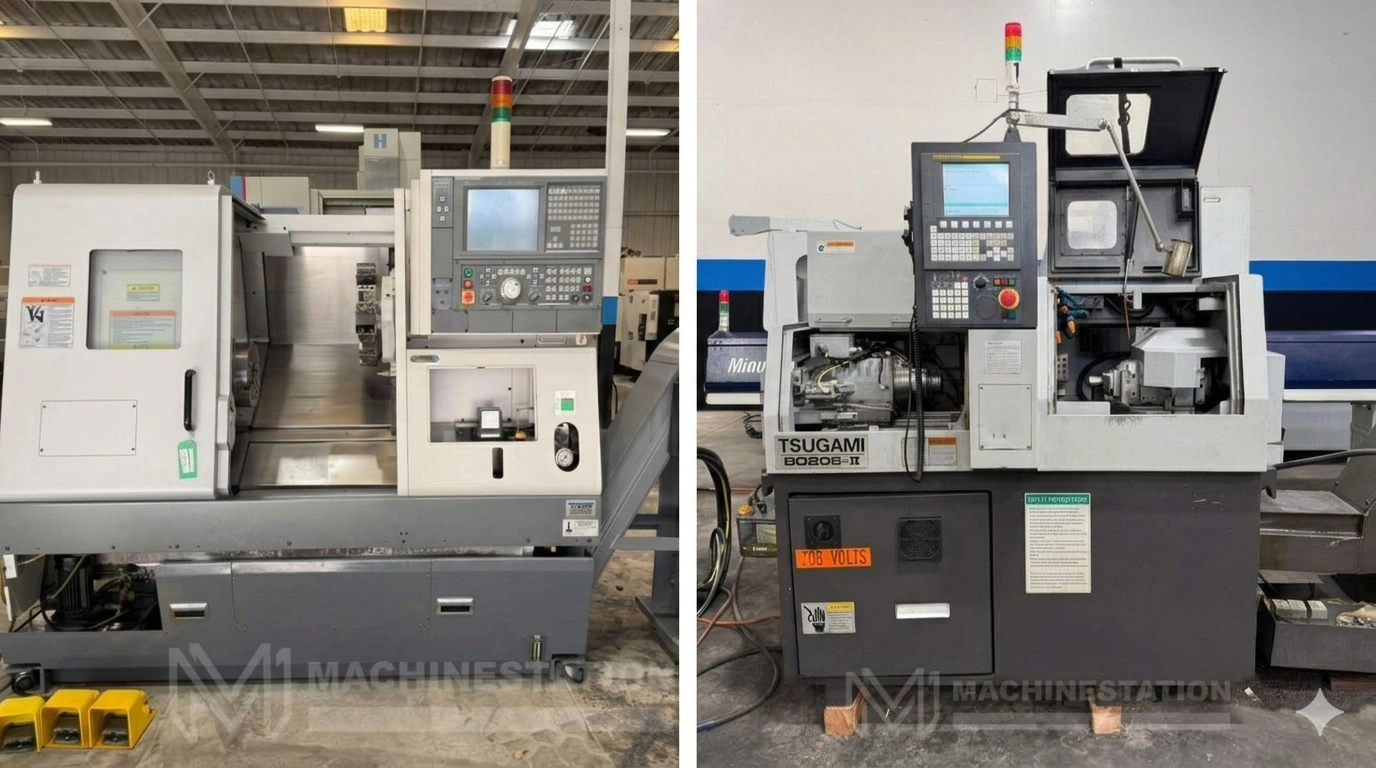
The first swiss type lathe vs CNC lathe difference that we need to know is their working principle. For Swiss lathes, it uses a sliding headstock where the material moves through a guide bushing. The cutting tools stay in a relatively stationary position while the bar stock feeds forward. 

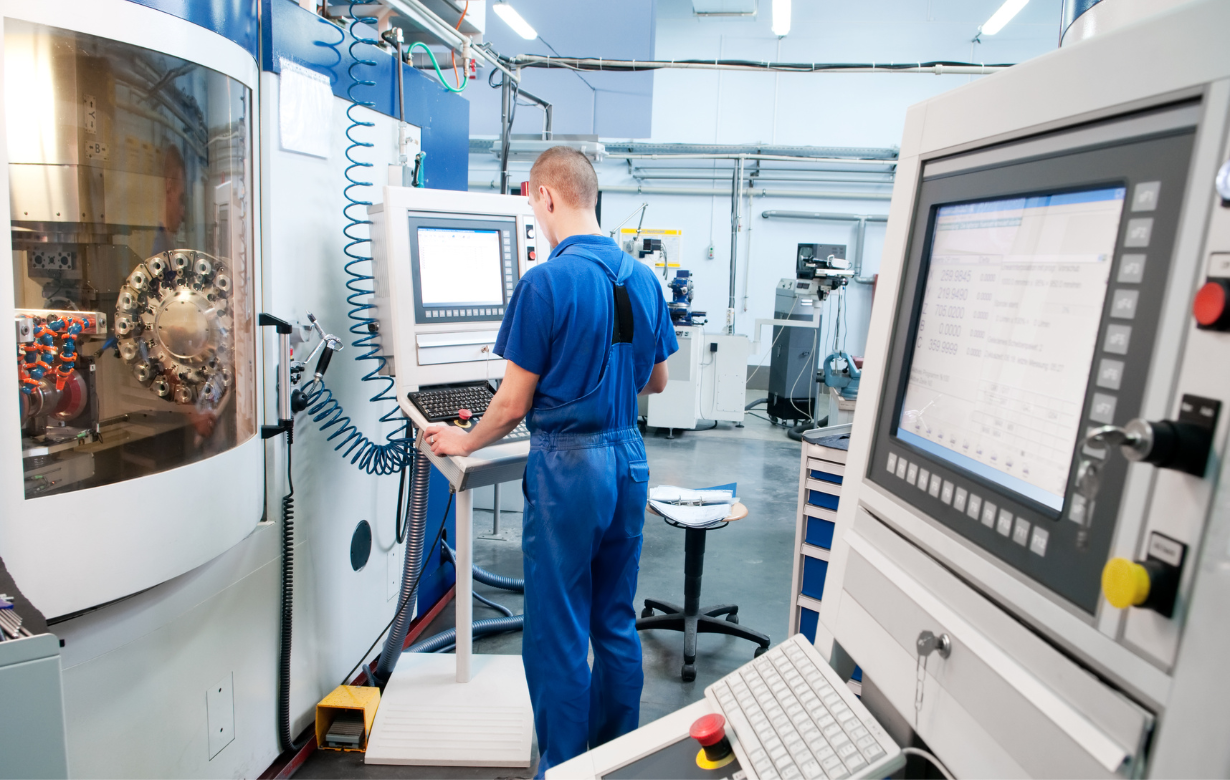
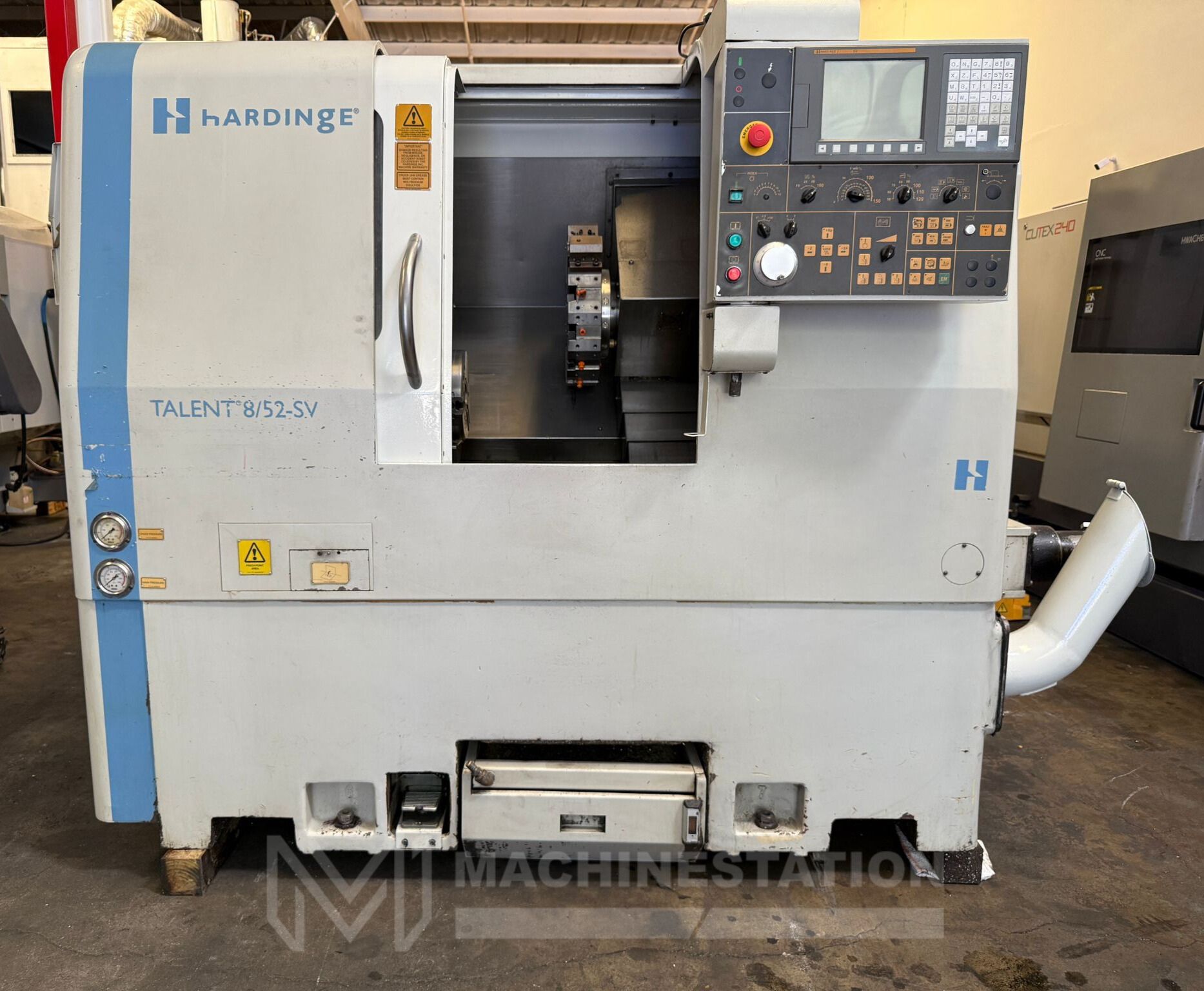
For CNC lathes, it rotates the workpiece in a fixed chuck while the tools move along the X and Z axes to perform the turning operations. So, Swiss lathes support material very close to the cutting zone, while the CNC lathes rely on chucking and tailstock support.

2. Deflection and Rigidity:

In the modern manufacturing scenario, precision machining is the factor that no shop owner likes to compromise on, and deflection is a nemesis to that precision machining. Swiss type lathes use guide bushings, which help in the reduction of deflection and maintenance of precision during machining work. The guide bushing supports the material mere millimeters away from the cutting tool, which is one of the major Swiss lathe advantages. 

While standard CNC lathes, on the other hand, struggle with deflection when machining long and slender parts. Here, the material is only supported at the chuck; the further the tool cuts away from the support, the more the material bends.

3. Ideal Part Type:

The next major difference between a traditional CNC lathe vs swiss turning center is the ideal part type for the machines. The CNC lathe machines are best suited for medium to large parts, which include flanges, housings, and general turned components. 

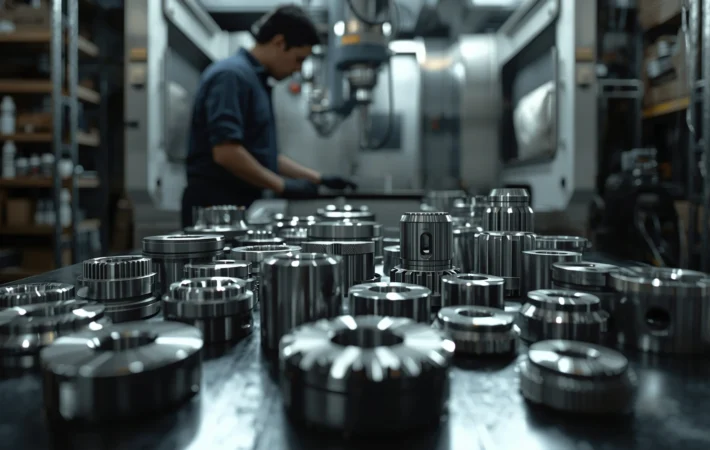
On the other hand, the Swiss lathes are designed for long and slender parts. These machines are more comfortable for machining small diameter parts like medical pins, connectors, and shafts. Also, if your parts have high length-to-diameter ratios, then swiss type lathes become more relevant. 

4. Diameter Capacity:

The next Swiss type lathe vs. CNC lathe difference is their capacity to handle different part diameters. The Swiss type lathes typically handle bar stock up to around 32 mm, which can vary as per the particular model. 

The CNC lathes, on the other hand, can handle larger diameter parts. The machines are generally capable of handling significantly larger diameter parts, depending on the chuck size and swing. 

5. Complexity of Operations:

The next factor of difference between the Swiss lathe vs CNC lathe is their complexity of operations. The Swiss lathe advantages for this factor include their capability to support multiple tools working simultaneously. This also includes live tooling and backworking. This helps the Swiss lathes to consolidate multiple operations into one cycle. 

The CNC lathe machines are known for typically performing operations sequentially. But the mill turn machines can add some complexity to operations, as those machines have different styles and are meant for multiple tasks to be done in one machine. 

6. Setup Complexity:

When doing a comparison of CNC lathe vs swiss turning center, we cannot miss discussing the complexity of setups. The setup complexity is higher for swiss type lathe machines due to the guide bushing alignment. The multiple tools and synchronization are other reasons that cause this setup complexity. Operator skill level plays a huge role in Swiss machines. 

The setup for CNC lathe machines is easier to do. The setup complexity is lower, especially for simpler design parts. 

Industry and Applications – Where Each Machine Excel:

The next Swiss lathe vs CNC lathe differential factor is the industries and applications they are capable of serving.

For Swiss lathes:

IndustryTypical Parts & Examples
MedicalBone screws, orthopedic implants, dental implants, surgical instruments, pacemaker components
AerospaceAircraft fasteners, hydraulic fittings, sensor housings, fuel injection nozzles
ElectronicsConnector pins, sockets, contact probes, RF connector bodies, and insulators
AutomotiveFuel injector components, ABS brake valve spools, sensor housings, hydraulic valves
Defense/RoboticsMiniature motor shafts, planetary gear components, hydraulic micro-valves, and firing pins
WatchmakingWatch gears, watch parts

For CNC Lathes:

IndustryTypical Parts & Examples
AerospaceEngine components, shafts, flanges, large housings, and landing gear parts
MedicalSurgical equipment, large orthopedic devices, and custom implants
AutomotiveCamshafts, drive shafts, flanges, brake drums
DefenseLarge firing pins, housings, and structural components
ElectronicsHousings, larger connectors, custom enclosures
Industrial/GeneralBats, cue sticks, musical instruments, machine parts

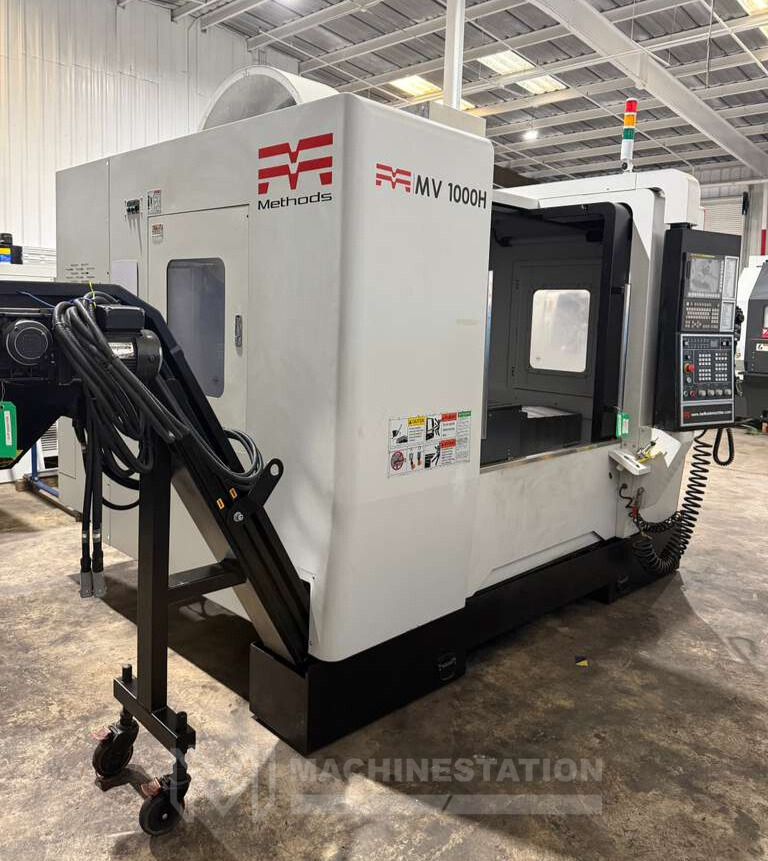
Now, if you are looking for any of the used Swiss type lathe machines or used CNC lathe machines, then check the collection of MachineStation.

Conclusion: 

Both swiss type lathes and CNC lathe machines are used by different manufacturers across the world. But they are used for different kinds of operations. So, firstly, you need to know what your regular machining tasks look like, and then you will be able to understand which one of the two types of lathe machines will be suitable for you. 

FAQs:

1. What is the main difference between a Swiss lathe and a CNC lathe?

The main difference lies in how the material is supported and machined. A Swiss lathe uses a sliding headstock and guide bushing to support the workpiece near the cutting zone, while a CNC lathe holds the part in a chuck and moves tools around it.

A CNC lathe can produce similar parts, but it may require multiple setups or additional support like a tailstock. This can affect efficiency depending on the part geometry.

Swiss machines have additional components like guide bushings and sliding headstocks, which can require more detailed maintenance compared to CNC lathes.

Search for products

Select Language
Product has been added to your cart